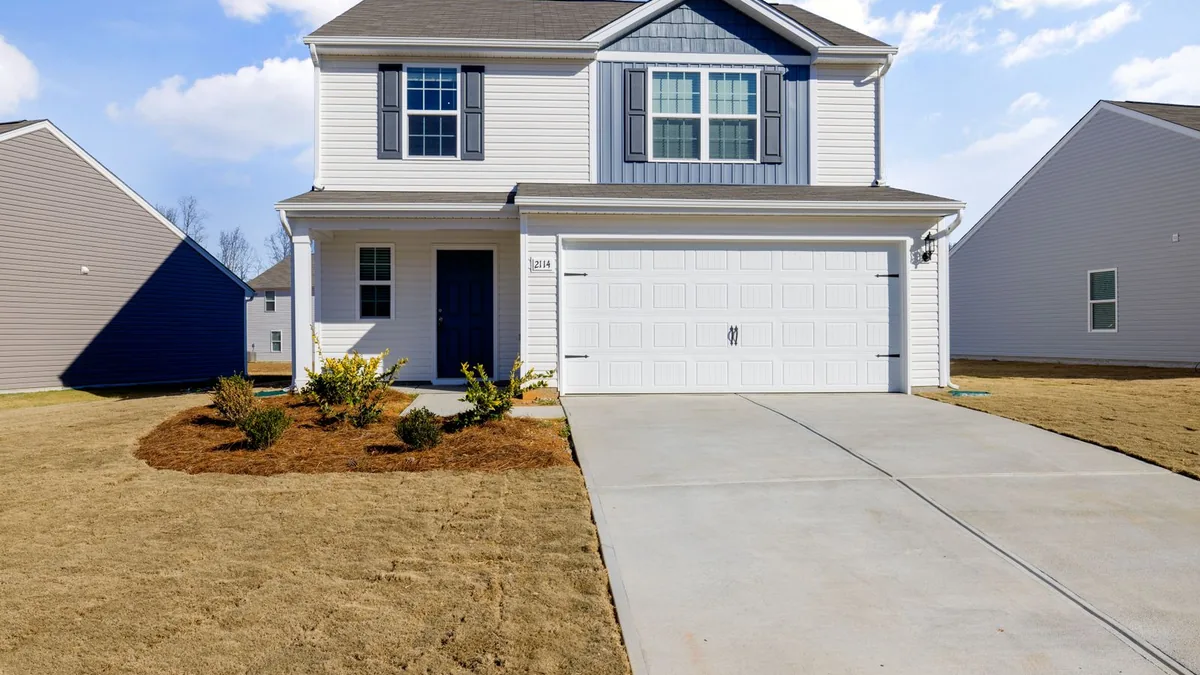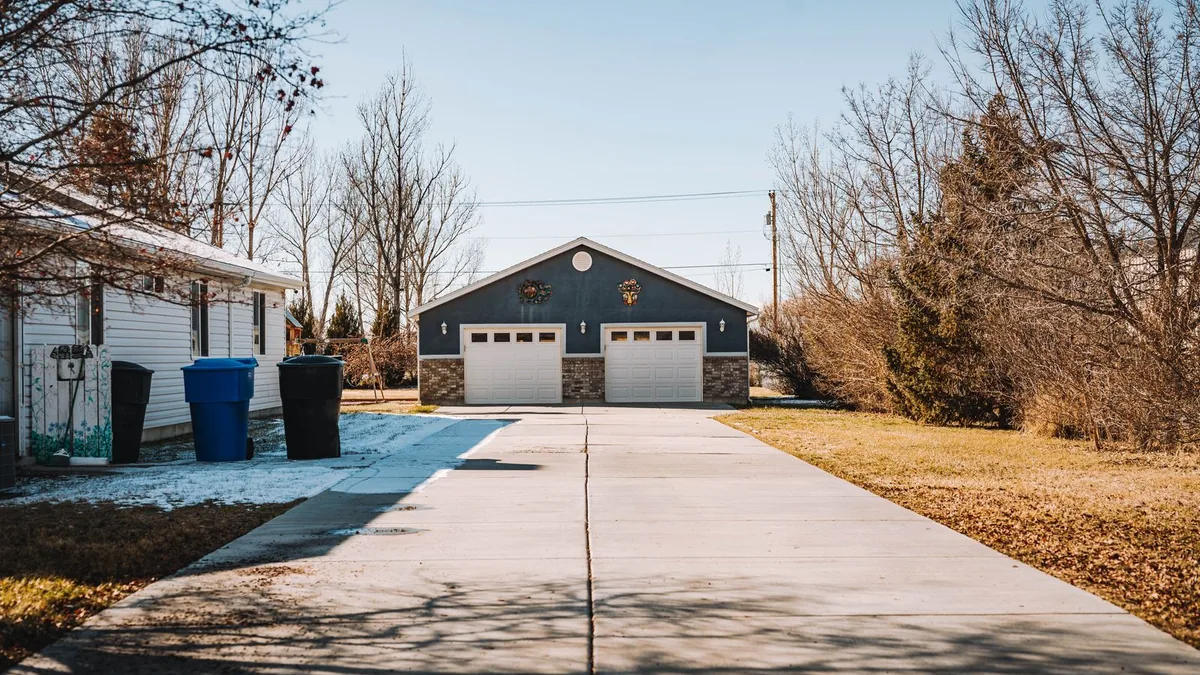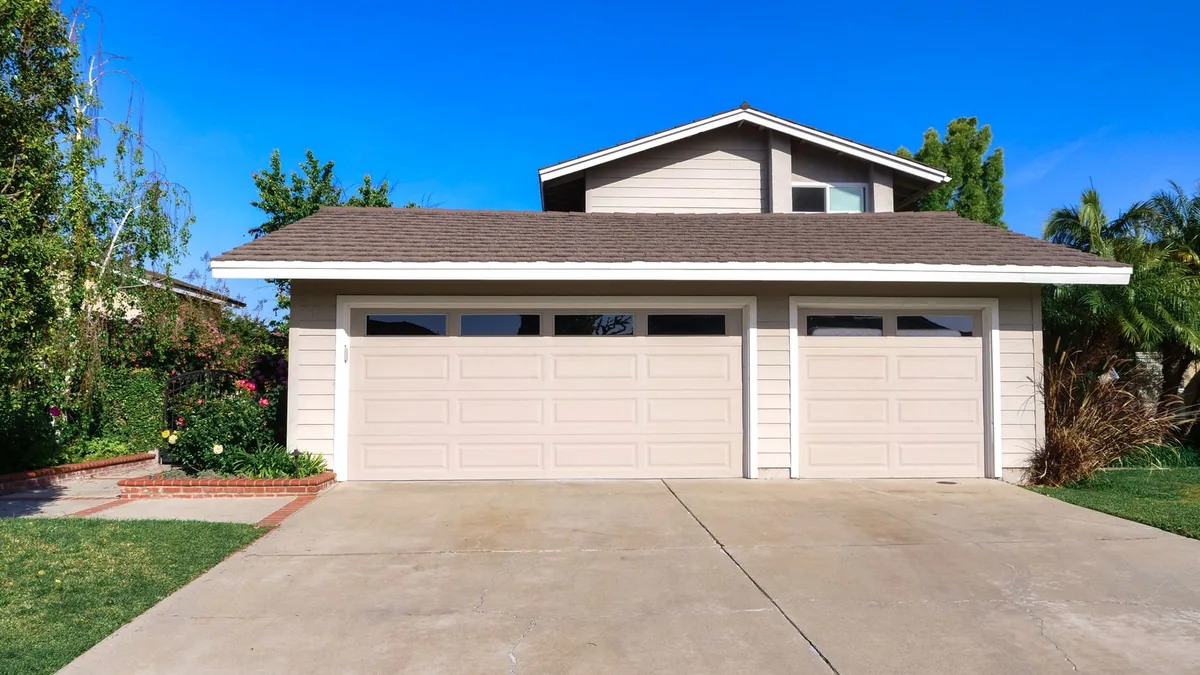
A new garage door and a new automatic opener are separate purchases that must work together as an installed system. One offer may retain existing hardware while another replaces more components. Before comparing the total, ask each installer to describe the completed result and identify exactly what stays.
An Indianapolis discussion about replacing a door and opener also asked about financing. That is a useful reminder to separate the cash installation scope from the payment arrangement. Public prices from another household are not current offers for your property, and this guide does not determine whether a financing agreement is suitable for you.
Write down the replacement goal
Explain whether the concern is damage, operation, appearance, access or another specific need. Tell the installer about the existing door and what problems you want resolved. Different goals can produce different recommendations. A visually appealing replacement does not automatically address an existing opening or operating issue unless the proposal includes the relevant assessment and work.
Have the opening assessed professionally
Ask the installer to confirm dimensions, clearance, access and the condition of the supporting opening. Do not rely solely on an approximate product size from an old invoice. A proposal should identify assumptions and any additional assessment needed before ordering. Clarify responsibility if a hidden condition prevents the planned installation from proceeding as originally described.
Compare the exact door specification
Request the model, construction, finish, glazing if any and the features relevant to the intended use. Ask what appearance samples are available and which details are final before ordering. Broad descriptions such as premium or insulated do not establish equivalent products. Compare the stated specification rather than treating similar photographs as proof that offers match.
Identify retained and replaced hardware
Ask about tracks, springs, rollers, mounting arrangements and other components relevant to the system. The professional should explain suitability and compatibility; the homeowner should not attempt mechanical inspection or adjustment. A complete offer makes clear which existing parts remain and how their condition affects the work, warranty and expectations for subsequent servicing.
Choose opener functions you will use
List practical needs such as compatible controls, lighting, access arrangements and any desired remote features. Ask which functions are included in the quoted model and which require additional equipment or a subscription. A feature list should support the household’s actual use. It should not distract from appropriate installation and reliable basic operation of the door assembly.
Discuss safety and interruption arrangements
Ask the installer to explain relevant entrapment protection and manufacturer handover requirements. If backup features are proposed, clarify their functions and limitations rather than assuming they solve every outage or mechanical failure. Keep children and pets away from the work area. Do not accept bypassed safety controls as an ordinary way to complete an installation.
Clarify power and related work
Ask whether the offer assumes an existing suitable power connection and whether any electrical changes are included or separately arranged. Identify any access preparation, finish repair or other work outside the garage-door installer’s scope. A project can be delayed when everyone assumes another contractor is responsible for a necessary supporting task.
Compare the full installation price
Request delivery, removal, disposal, installation, controls, startup and exclusions in writing. Establish whether additional visits or special access incur separate charges. The useful comparison is the completed specified installation. A product price, a promotional starting price and a full installed offer should not be placed in the same column without explaining their differences.
Read payment terms independently
Ask for the cash price before reviewing a monthly payment illustration. Read the financing provider’s actual terms, including fees, repayment obligations and any conditions attached to a promotional period. Seek appropriate advice if the agreement is unclear. An attractive payment headline does not prove that the equipment or installation scope is the better option.
Confirm ordering and schedule dependencies
Ask which selections must be final, what is being specially ordered and how changes affect timing. Establish how the business communicates delays and what happens to an unsafe existing door while waiting. Avoid treating an estimated product arrival as a guaranteed completed installation date. Document the sequence so each stage has a clear responsible contact.
Separate product and labor warranty terms
Request the manufacturer warranty and installation workmanship terms. Ask what is excluded, who handles a claim and which maintenance obligations apply. A phrase such as lifetime coverage is incomplete without the actual conditions. Keep the equipment identification and installer invoice together so future service can be directed to the appropriate party.
Use handover to confirm the agreed result
Ask for safe demonstration, user instruction, relevant manuals and a record of the completed work. Test intended controls with the installer according to the appropriate procedure. Record any outstanding items rather than silently accepting an unresolved feature. Choose directory candidates by actual capability and a clear proposal, not an assumption that a category label guarantees a complete installation service.
Frequently asked questions
1. Do I need a new opener with every new door?
Ask the installer to assess compatibility and condition. A new door does not automatically establish that every existing component must be replaced. The proposal should explain what remains and how it will function with the new assembly.
2. Are two insulated doors equivalent?
Not necessarily. Compare the actual model, construction and relevant specifications. Ask how the proposed features relate to your garage use. A broad marketing label or similar appearance does not establish matching performance or scope.
3. Can existing tracks always be reused?
Suitability depends on the system and professional assessment. Ask what is retained and why it is appropriate. Do not assume that avoiding replacement is automatically better or that new parts are universally required without explanation.
4. Does a connected opener require a subscription?
That depends on the product and desired functions. Ask which features work without ongoing fees and what account or network arrangements are needed. Keep a record of the exact model and current service terms.
5. Is backup operation the same as a second opener?
No broad backup label answers every failure scenario. Ask the provider what continues to operate under the specified interruption and what remains dependent on functioning mechanical components, power arrangements and safety controls.
6. How do I compare financing offers?
Separate the installed cash price from the financing agreement. Read the actual repayment terms, fees and promotional conditions. This article does not provide individualized financial advice or establish which payment arrangement you should choose.
7. Who repairs the garage wall after installation?
Confirm restoration responsibilities before signing. The installation offer may exclude finish repair, painting or other supporting work. List those tasks explicitly so the completed project and any additional contractor requirements are clear.
8. Are online replacement prices local quotes?
No. They may describe different products, years, access conditions or included work. Request written proposals for your property and compare equivalent specifications, removal, installation and exclusions rather than relying on another household’s experience.
9. What should be demonstrated after installation?
Ask for the manufacturer-appropriate operation and safety handover, intended controls and user instruction. Record unresolved items and the follow-up process. A photograph of a closed new door does not establish every agreed function was checked.
10. What should I keep for future service?
Retain the model identification, invoice, warranty documents, manuals and approved changes. Note which older components remain. These records help a technician understand the installed arrangement without guessing from the appearance of the finished door.
Sources and related reading
- Indianapolis door and opener replacement discussion
- CPSC: automatic garage-door operator safety
- ALOA: choosing an appropriate security professional
- Browse related businesses. Confirm capabilities and service availability directly.