 Indianapolis Service Directory
How Often Should Commercial Drains Be Cleaned?
Practical guidance for Indianapolis commercial buyers. Use this article to prepare better questions and a clearer service request—not as a substitute for site-specific professional advice.
Quick answer
The right decision depends on the actual facility condition, risk, downtime tolerance, project scope and the provider’s inspection findings. Compare defined scope and evidence rather than relying on a headline price or a single rule of thumb.
A practical decision framework
Start by defining the business problem: what is failing, changing or being planned; what happens if the issue is not addressed; and what operational window is available. For commercial sewer, drain & wastewater services, distinguish between immediate symptoms, underlying condition and the scope that can actually be priced.
Then compare alternatives using the same dimensions: expected scope, disruption, useful life or maintenance impact, documentation, warranty where applicable, and conditions that could change the quoted amount. If two providers are pricing different assumptions, the totals are not directly comparable.
Information to collect before contacting a provider
Prepare the Indianapolis-area project address, facility type, photographs, quantities or dimensions when known, model or system information where relevant, previous reports, desired timing and site-access constraints. Mark unknowns rather than guessing.
When safety, compliance, licensing or permits may be involved, ask the provider which current requirements apply to the specific property and verify credentials through appropriate official sources when relevant.
Questions to ask providers
- What is included and excluded from the proposed scope?
- What existing conditions could change the price or schedule?
- Is a site survey or diagnostic step required before a firm quote?
- What shutdown, access or tenant coordination is required?
- What testing, documentation or close-out material will be delivered?
- Which credentials, insurance or permits should apply to this project?
Common buying mistakes
Common mistakes include comparing only total price, accepting vague scope language, assuming every provider under a broad category performs the same specialty, omitting access or shutdown constraints, and relying on unverified credential claims.
For a commercial project, clarity at the request stage usually reduces wasted site visits and makes provider responses easier to compare.
Next step
The commercial destination for this guide is Commercial Sewer, Drain & Wastewater Services. Review the relevant service page, then submit a request if you are ready to discuss a real project.
Plan the service interval around the actual facility
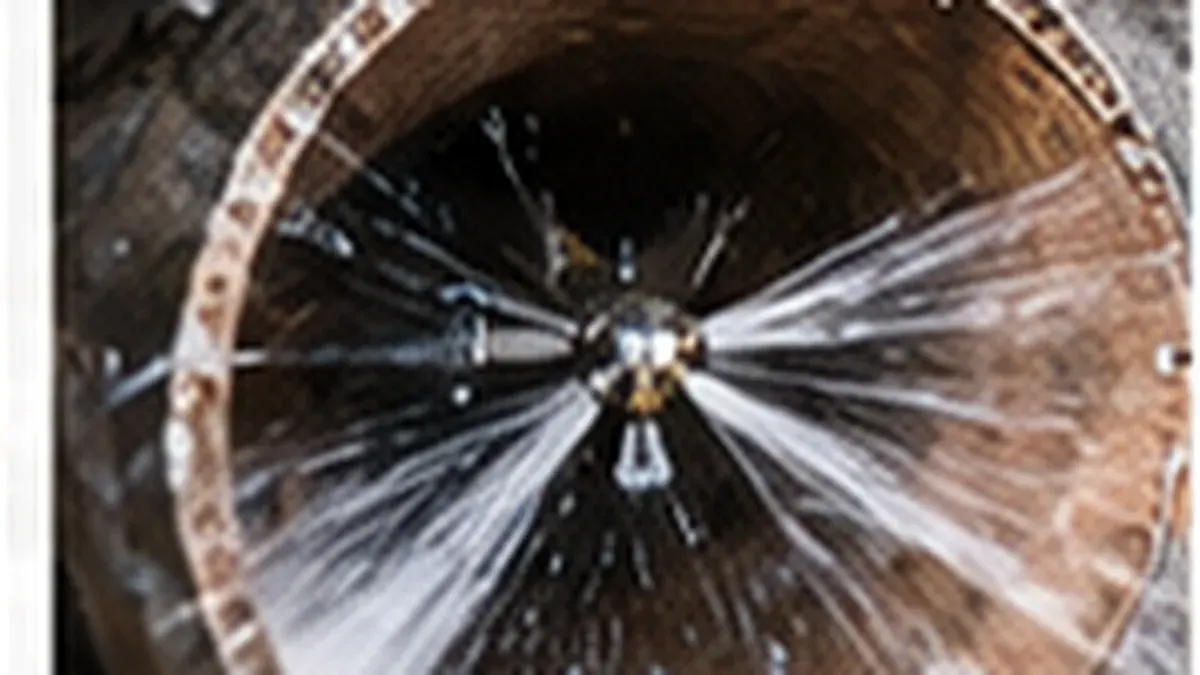
Frequency and timing for Hydro Jetting should be based on equipment or asset condition, operating intensity, manufacturer guidance, documented inspection requirements where applicable, and the consequences of an unplanned outage. For the underlying commercial drain and sewer network, planning inputs include line size, blockage type, access, grease, roots, pipe condition and excavation exposure. High-use or high-consequence facilities may justify more frequent attention than a lightly used property.
Build the schedule backward from operational constraints. Identify access windows, tenant or production impacts, materials that need lead time, seasonal weather exposure, and any records a provider needs before arriving. A recurring calendar is useful only when completed work and findings are documented; unresolved defects should not simply roll into the next scheduled visit.
What to record after each service
Keep the date, scope completed, observations, measurements or test results when relevant, corrective actions, deferred items and the recommended next interval. Over time, those records make it easier to spot repeat failures and decide whether continued maintenance or a larger capital project better supports reliable wastewater flow with fewer repeat backups.
Turn this guide into a quote-ready project brief
Before contacting a provider about Hydro Jetting, write down the decision you are trying to make after reading “How Often Should Commercial Drains Be Cleaned?.” Include the Indianapolis project location, the affected asset or area, what prompted the request, any deadline, and the operational consequence if the work is delayed. Attach measurements, photographs, equipment information, inspection findings or maintenance history when they are available. If you are uncertain about the cause, describe the observable condition rather than asking every provider to price an assumed solution.
Use the same brief for each provider. Ask them to identify the recommended scope, evidence behind the recommendation, exclusions, schedule, site-access assumptions, materials or equipment, testing, cleanup and close-out documentation. Record follow-up questions in writing. The goal is not to force identical proposals; it is to make differences understandable enough that you can decide whether the proposals solve the same problem. When credentials or regulated work are involved, confirm current requirements and provider status independently before award.
Frequently asked questions
What should I confirm before using this guide?
Confirm the actual condition, location and operating constraints for the project. This guide supports planning for Commercial Sewer, Drain & Wastewater Services; it does not replace an on-site professional assessment.
When is a site visit useful?
A site visit is useful when the scope depends on existing condition, measurements, access, testing or hidden components. Give the provider enough context to decide whether remote pricing is realistic.
What makes two proposals difficult to compare?
Different assumptions, exclusions, material choices, testing, cleanup, schedule and access conditions can make headline totals misleading. Ask providers to state these items explicitly.
Should I choose only on price?
No. Compare scope, evidence behind the recommendation, operational disruption, documentation, warranty terms and provider fit in addition to price.
How many providers may receive a directory request?
Under the current Indianapolis routing rule, a qualified request may be fully delivered to no more than three relevant participating providers.
Does the directory guarantee provider qualifications?
No. The directory does not infer licensing, insurance or certifications. Verify current requirements and provider credentials directly when they are relevant.
What should I include in a request?
Include the project location, problem or desired outcome, urgency, useful dimensions or equipment information, access constraints and any prior inspection or maintenance records.
Can nearby providers be considered?
Yes, when there is supported service-area evidence for Indianapolis and the provider fits the requested service. An office address alone is not treated as proof of coverage.
What happens after the request is submitted?
The request is reviewed for service and location fit. Eligible assignments are created as READY and count as delivered only after the provider actually receives the lead.
What is the next step after reading this guide?
Review the linked Hydro Jetting page, prepare a concise scope, and request service when you are ready to speak with providers.