An apartment move can involve only a short drive while still demanding careful coordination. A third-floor walk-up, an elevator reservation and a long route from truck to door affect different parts of the job. Give the mover those details before booking rather than treating them as small matters to explain when the truck arrives.
An Indianapolis discussion describes moving a two-bedroom apartment between upper floors. It is useful context for asking about access, furniture handling and crew planning, not a guarantee about how long your move will take. Your buildings and belongings determine the practical questions.
Obtain instructions from both buildings
Ask each property manager about moving hours, entrance restrictions, elevator booking and required paperwork. Read the instructions rather than assuming the destination operates like your current building. If management approval is needed, identify who supplies it and by when. Keep the relevant contact details available so the crew does not have to resolve building policy at the entrance.
Describe every flight of stairs
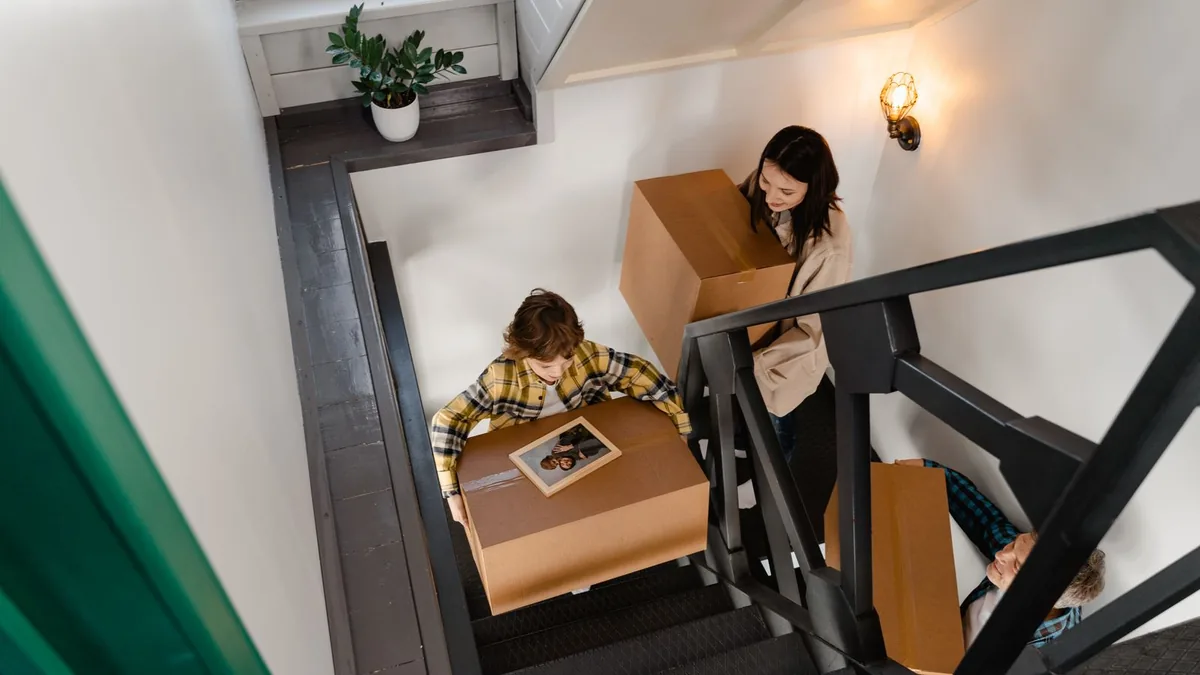
Tell the mover the floor number, whether a ground-level approach involves steps and whether the stairway is narrow or turns sharply. Include interior stairs within the apartment. Photographs can help an estimator understand the route. Do not substitute “third floor” for a fuller description when the path includes several distinct stair sections or an unusually restricted landing.
Confirm elevator access explicitly
A building having an elevator does not prove it will be available or suitable for the move. Ask management about booking, dimensions, protective requirements and the approved entrance. Tell the mover what is confirmed and what remains uncertain. If the reservation expires before the job is complete, ask in advance what practical alternatives and charges could follow.
Establish a legitimate loading arrangement
Discuss parking with building management and the moving company. Do not assume a truck can block a drive, occupy a reserved space or stop anywhere near the lobby. Identify who arranges any required permissions. The walking distance between truck and entrance belongs in the moving brief because it can affect both the work and how time is estimated.
Measure difficult furniture and routes
List large sofas, bed frames, desks and other items that may be awkward at doorways or turns. Provide dimensions if requested. Ask whether a survey is appropriate when the route is uncertain. Do not ask friends to force a heavy item through a stairwell to test it. Identify access concerns early enough for the professional to propose a workable approach.
Separate disassembly from carrying
Ask which furniture can be disassembled, who performs the work and what reassembly is included. Explain missing hardware, damaged joints or specialized components. Confirm whether the crew handles your particular item rather than assuming all assembly tasks are routine. Keep essential hardware organized according to the agreed plan so that arrival at the new apartment does not end with unusable furniture.
Tell the mover about shared spaces
Describe door codes, concierge arrangements and rules for corridors or service entrances without sharing access credentials publicly. Ask how floors, walls and elevators will be protected. Arrange for pets and children to remain away from the carrying route. Neighbors still need to use the building; a clear plan reduces avoidable conflict and interruptions.
Organize boxes by destination room
Use clear room labels that match the new apartment. Mark items that should remain with you rather than entering the truck. Discuss fragile or unusual belongings separately. Efficient labeling is useful, but it does not replace proper packing or make an overloaded box safe. Ask the mover what preparation is expected before the crew starts carrying belongings.
Build the schedule around real constraints
Consider key collection, cleaning, lift reservations and the time you must vacate. Tell the mover which deadlines are firm. Avoid arranging every step with no allowance for delayed access or an unexpected obstacle. Ask how the company communicates arrival changes and who can authorize a revised plan if management restrictions make the original arrangement impractical.
Understand the effect on the estimate
Ask how stairs, long carries, reserved access and waiting are reflected in the price. Do not assume every company applies a separate fee; some may incorporate them differently. Obtain an updated estimate if access changes. A clear written description is more useful than an argument on moving day about whether a fourth-floor staircase was mentioned during an early call.
Plan the final walk-through
Before the crew leaves each location, inspect accessible rooms and confirm which items were moved or intentionally left. Follow building requirements for reporting damage to shared spaces. Ask how concerns about belongings should be recorded under the moving agreement. A quick, orderly check is easier when boxes and furniture were assigned destinations in advance.
Send an access brief before booking
Summarize both addresses, floors, stairs, elevator arrangements, loading distance and awkward items. Attach management instructions where appropriate. Ask the mover to confirm it can work within those conditions. Start with moving and logistics businesses, then ask specifically about apartment access and your dates. The right question is whether the service fits this move, not merely whether it covers Indianapolis.
Frequently asked questions
1. Is a short apartment move necessarily quick?
No. Carrying routes, stairs, elevator availability and preparation can consume time even when the drive is short. Ask for an estimate based on the whole job rather than distance alone.
2. Who reserves the elevator?
Confirm this with building management and the mover. Often the resident must coordinate access, but arrangements vary. Get a confirmed reservation and explain its limits before the service date.
3. Do I need to measure my couch?
Provide dimensions when an item or route looks difficult, and ask whether a survey is needed. Do not assume furniture that entered one apartment will pass through a different doorway or landing.
5. Can the truck use any space near the entrance?
No assumption should be made. Confirm authorized loading arrangements and relevant permissions with the property. Tell the mover the actual truck-to-door distance rather than promising a space you do not control.
6. Will movers dismantle all my furniture?
Ask about the actual items. Some require special knowledge, tools or separate arrangements. Confirm disassembly, hardware handling and reassembly in the written scope rather than relying on a general service label.
7. Should I help carry items on stairs?
Agree on your role with the moving company. Unplanned assistance can interfere with the crew's carrying method and put people at risk. You can help by organizing access and answering placement questions.
8. What should travel with me?
Keep essential documents, medication and other immediate necessities accessible. Ask the mover about restricted or excluded items. Make a separate plan for valuables rather than assuming they should enter a general moving box.
9. How do I avoid boxes in the wrong rooms?
Label boxes using clear room names that match the destination, and identify the corresponding rooms on arrival. Discuss placement with the crew before unloading begins, especially when the apartment layout is unfamiliar.
10. What should I inspect afterward?
Check rooms, major belongings and accessible shared areas according to building procedures. Record concerns promptly using the mover's reporting process. Keep photographs and the agreed scope rather than relying only on memory.
Sources and related reading
- Indianapolis upper-floor apartment moving discussion: local access context, not timing or price evidence.
- FMCSA: moving checklist: interstate guidance; local agreements require their own review.