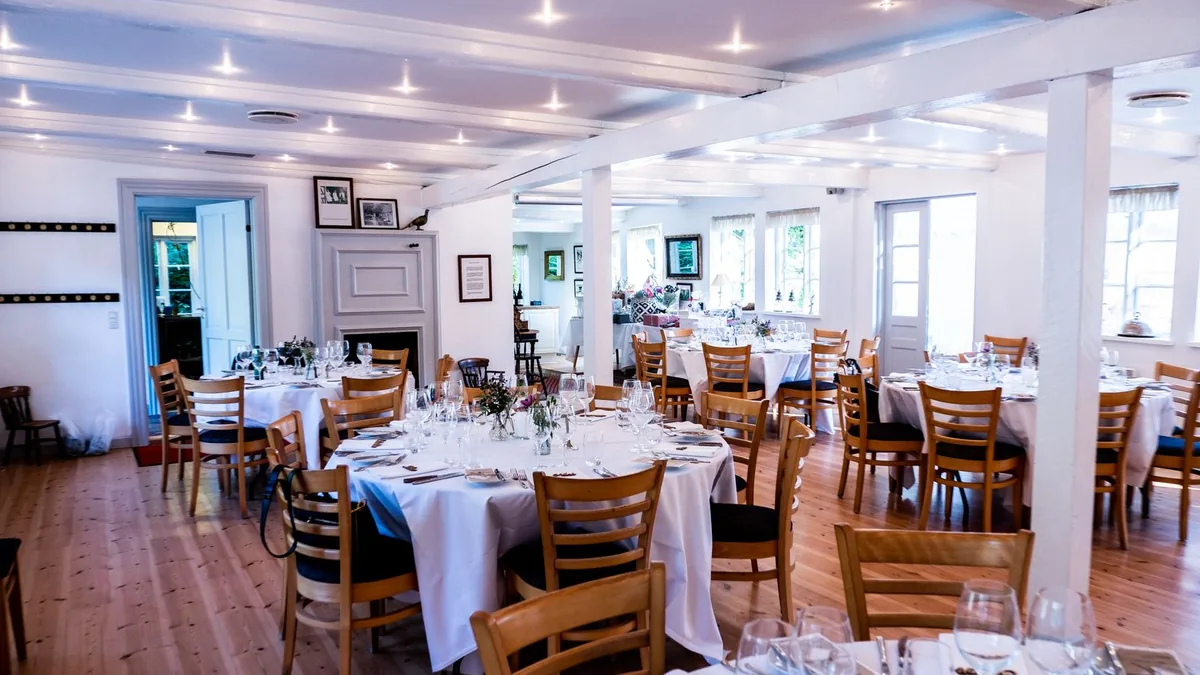
A wedding venue search becomes easier when you compare how the event will actually work instead of collecting attractive photographs. In an Indianapolis discussion, a couple looking for an outdoor ceremony and indoor reception also needed room for roughly 200 to 250 guests and nearby lodging. Those requirements can pull in different directions. A useful tour tests the whole guest experience, including the uncomfortable scenario in which the weather changes and every activity needs to move inside.
Start with a working guest range
Give each venue a realistic low and high attendance estimate. Ask how the room works at both numbers rather than choosing a package solely because its advertised maximum exceeds your list. A space can technically accommodate chairs while leaving less room than you want for dining, conversation, photographs or moving between activities.
Ask for your actual floor plan
Request a layout that includes the tables, dance area, bar, catering stations and any stage or photo booth you intend to use. Mark routes between them. An empty-room capacity figure is not the same as a layout suitable for your reception. Compare proposals using equivalent furniture and activities so the difference is visible.
Tour the indoor weather alternative
Ask to stand in the specific room reserved for a rain alternative. Establish whether it is held exclusively for your event or subject to another booking. Discuss what happens to the reception setup if the ceremony moves indoors, who makes that decision and when vendors need to know. A vague assurance that something will be arranged is difficult to plan around.
Walk the arrival route
Follow the route from parking or drop-off to the ceremony, restrooms and reception. Ask about steps, surfaces, elevators and accessible entrances without assuming a historic building or outdoor setting will suit every guest. Share particular access needs with the venue. A written access plan helps guests know where to go before arrival.
Separate event time from access time
Check when decorators, caterers and photographers may enter and when everything must be removed. An evening reception may require substantial preparation earlier in the day. If access is short, ask which suppliers can realistically complete setup within it. Determine whether extra time is available and how it is charged before choosing a complicated room design.
Clarify vendor selection rules
Ask whether catering, beverage service, rentals or coordination must come from a designated supplier. Request the current list and any related fees. Outside-vendor permission does not establish that every proposed service is permitted. Have the venue and vendors confirm compatibility, including delivery routes, kitchen access and any documentation the venue requests.
Check equipment and operating limits
Ask what lighting, sound access, furniture and service equipment are included. Discuss your planned music, speeches and other activities with the venue rather than relying on the room's appearance. Request the applicable restrictions and end times in writing. A venue that works well for a seated dinner might need a different plan for a louder or more equipment-heavy reception.
Coordinate lodging and transportation
If guests will stay elsewhere, check the actual travel route and pickup arrangement. Ask about vehicle access and where guests wait if transportation is delayed. Nearby lodging is useful only if it meets your group's needs and has availability for the dates concerned. Do not treat a map's approximate travel time as an event-night transportation guarantee.
Identify who manages the room change
A venue contact may oversee the building without managing your flowers, seating assignments or personal belongings. Ask who coordinates any ceremony-to-reception transition and what labor is supplied. Agree who receives vendor calls and authorizes decisions. This avoids discovering during the reception that an important task was assumed to belong to another member of the team.
Compare the complete venue estimate
Request separate lines for rental access, staffing, equipment, setup, cleanup and optional services. Ask which charges change with attendance or event duration. The lower rental figure may have a different scope from an inclusive package. Use current written proposals for your dates rather than forum price anecdotes, which may describe another year, guest count or package.
Review change and cancellation procedures
Ask how to change the headcount, timing or planned spaces and what written confirmation is issued. Read payment, cancellation and postponement terms carefully. If a provision is unclear, request clarification before signing and obtain appropriate advice if needed. This checklist helps you identify questions; it does not interpret your contract or establish a right to a refund.
Leave the tour with a decision record
Take permitted photographs, label the proposed rooms and keep the exact offer reviewed. Note unanswered questions alongside the price. For an Indianapolis comparison, include the property's actual address and guest travel needs rather than assuming all venues within the metro area offer a similar experience. Choose the proposal that supports your event plan with clear responsibilities and realistic alternatives.
Frequently asked questions
1. Does maximum capacity tell me how many guests to invite?
It is only one planning input. Request the capacity for your actual seated layout with every planned activity and necessary route included. Ask the venue to explain any changes required when your attendance reaches the upper end of the proposed range.
2. Should I book an outdoor venue without seeing the rain plan?
See and discuss the designated alternative before committing. Ask whether the indoor space is reserved, who makes the weather decision and what setup changes follow. An alternative that has not been assigned may not provide the certainty your schedule requires.
3. Is a venue coordinator also my wedding planner?
The roles can differ considerably. Ask for a task list showing what the venue contact manages and what remains your responsibility. Personal vendors, detailed timelines, belongings and guest questions may require separate coordination even when a building representative is present.
4. Can I bring any caterer I want?
Check the current written vendor policy. Some bookings include restrictions, approval processes or additional requirements. Get confirmation for the exact caterer and service arrangement before paying a separate deposit rather than assuming a general outside-vendor statement covers every situation.
5. How can I compare a package with a room-only rental?
Build a scope list covering staffing, furniture, equipment, access, setup and cleanup. Add the missing services to the room-only proposal using real quotes. The purpose is to compare equivalent outcomes, not just two attractive headline prices.
6. What accessibility questions should I ask?
Ask about the full route through the event, including arrival, restrooms and any indoor alternative. Discuss particular guest requirements directly. A step-free front entrance alone does not answer every question about surfaces, room transitions, seating or transportation arrangements.
7. Do I need to visit at the same time of day?
It can help you assess lighting, arrival conditions and how the room feels, subject to availability. Ask whether another setup or event affects what you see. The tour remains a planning observation rather than a promise of identical conditions on your date.
8. Who should handle setup and removal?
Name the responsible people or suppliers in the plan. Confirm what venue staff actually do and which access window applies. Items left after the event, rental collection and personal decorations should each have an assigned owner so tasks are not left to assumption.
9. Are online venue prices reliable for my date?
Treat them as an initial reference until the venue issues a current offer for your date and scope. Packages, access and inclusions may differ. Ask about extra charges and headcount changes so your working budget reflects the proposal you would actually sign.
10. What should I keep after choosing a venue?
Save the signed agreement, floor plan, itemized proposal, access times, vendor approvals and named contacts. Record later changes in writing. Those documents give your suppliers a shared reference and help distinguish a confirmed arrangement from an idea discussed during a tour.
Sources and related reading
- Markel: venue booking questions. A coverage reference, not an insurance recommendation or a statement about your venue.
- Indianapolis discussion: outdoor ceremony, indoor reception and lodging questions. Used as question context, not a venue endorsement.
- Explore Indianapolis locations.
- Browse relevant Indianapolis providers. Confirm the service and current availability directly.