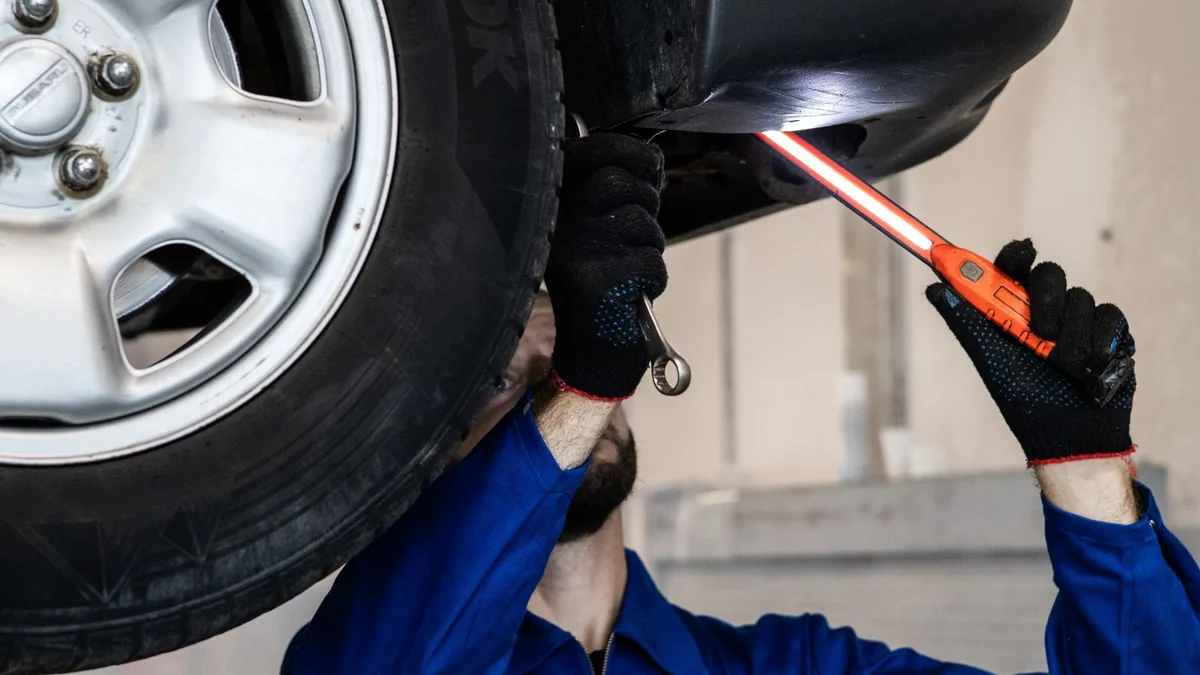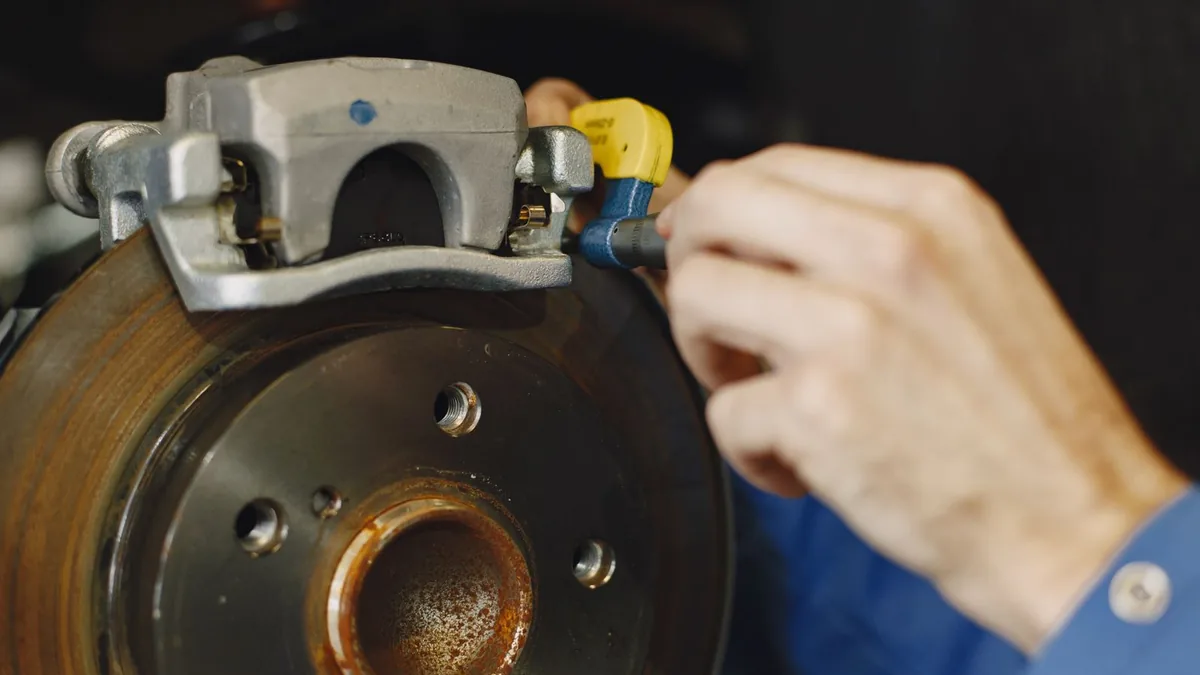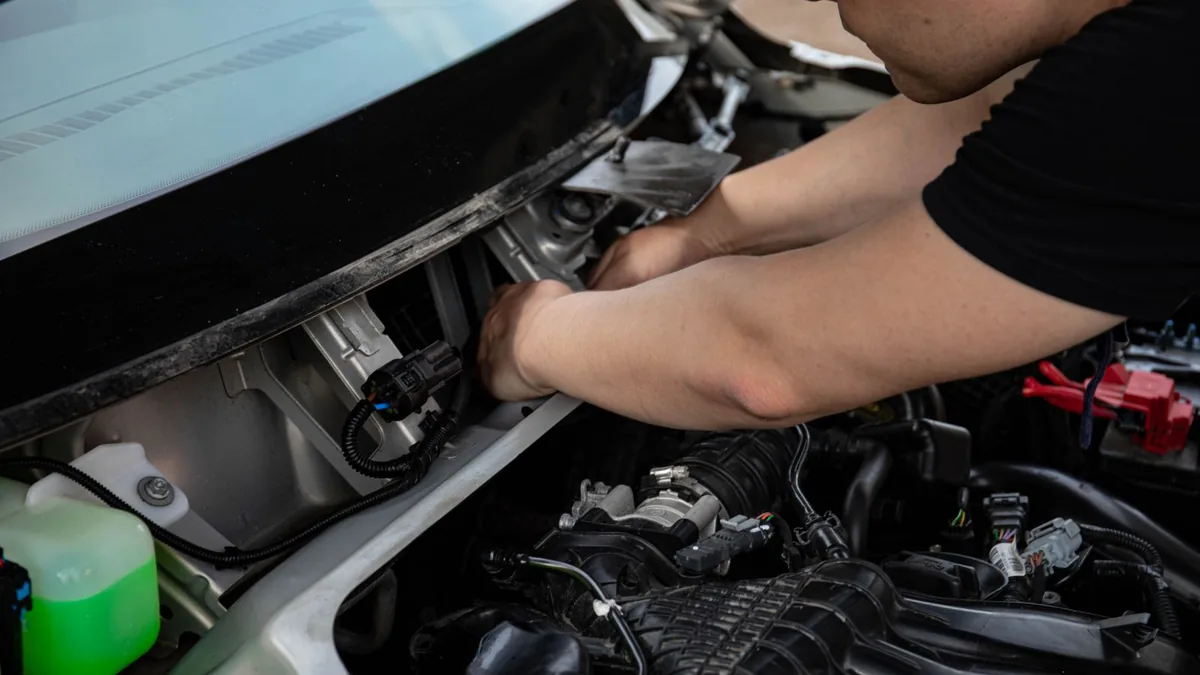
A mobile mechanic can make some vehicle service more convenient, but convenience is only one part of choosing the right appointment. The work needs a suitable location, appropriate tools and a clear plan if the problem requires a workshop. Decide based on the actual vehicle and task rather than assuming that every repair can be moved to a driveway.
Indianapolis discussions include residents asking about home service, inspections and ordinary maintenance. They provide useful context for access questions, not a blanket endorsement of mobile work or a verified price list. Confirm what the particular provider can do before arranging the visit.
Identify the work you actually need
Separate scheduled maintenance, an active symptom and an inspection request. Give the provider the vehicle details and explain the concern without declaring a diagnosis. A business may accept one task at your location while requiring another at a shop. Ask whether the appointment aims to complete a known service or first determine what additional work is necessary.
Describe the proposed work location
Tell the provider whether the vehicle is in a garage, driveway, shared parking area or roadside location. Mention access restrictions and property rules. Ask whether the location is suitable for the service. Do not assume that owning the car gives permission to perform every type of repair in a rented lot or building parking structure.
Ask about safe working conditions
Let the professional assess whether there is enough safe space and appropriate conditions. Do not position yourself under a vehicle or improvise supports to make an appointment possible. If the location cannot support the required work, discuss transport or a different appointment. A cheaper onsite quote is not useful if the task cannot be carried out safely there.
Confirm make and system capability
Ask about your vehicle's model, powertrain and the particular diagnostic or service need. A provider may handle common maintenance without offering every specialized procedure. Confirm whether required information and equipment are available. This is especially important when an appointment involves an unusual symptom, a modified vehicle or a system for which the business normally uses another specialist.
Distinguish diagnosis from completion
A mobile diagnostic visit may identify a next step rather than finish the repair. Ask what you receive if the cause cannot be established onsite. Discuss whether further testing requires a workshop and how the initial charge is handled. Do not assume an unsuccessful repair attempt is the same thing as a completed diagnostic assessment with usable written findings.
Ask what equipment or facilities the job needs
Have the provider explain any limitation relevant to the task. Some work may depend on workshop facilities, lifting access or other arrangements not available where the car sits. You do not need procedural instructions, but you do need to know whether the proposed service can answer your question. An honest limit helps choose a more suitable appointment.
Clarify parts and ordering arrangements
Ask whether parts are supplied by the provider, ordered after diagnosis or provided by you under an accepted policy. Discuss suitability and warranty implications before buying components independently. If an initial diagnosis changes, ask how parts already ordered are handled. A convenient appointment should not leave the ownership of unused or unsuitable parts unresolved.
Compare the full price and travel terms
Ask about attendance, diagnostic time, travel, labor, parts and repeat visits. Establish whether the fee changes if the location is inaccessible or weather prevents work. Compare that complete scope with a workshop offer rather than treating the onsite labor figure as the entire cost. Obtain a written estimate or clearly defined diagnostic authorization before the visit.
Set approval and communication rules
Tell the provider who can authorize work and how to contact that person. Agree on the limit of the initial task and how additional costs are approved. If you will not be present, clarify access and key handling without sharing credentials publicly. Keep the arrangement documented rather than assuming a message about availability also authorizes every suggested repair.
Plan for a vehicle that remains inoperable
Ask what happens if the assessment shows that a tow or specialist appointment is needed. Confirm who arranges transport and whether the mobile provider supplies findings for the receiving shop. Do not assume the mechanic has towing capability. A clear handover can prevent paying another provider to begin with no information about what was already checked.
Review warranty and follow-up arrangements
Ask who handles a concern after service and where follow-up work takes place. Find out whether another visit carries a charge under the applicable terms. A mobile business still needs a clear identity and reliable contact information. Keep the invoice, parts details and findings so a later conversation refers to the actual work rather than an informal recollection.
Select the appointment that fits the task
Use auto service listings to identify contacts, then confirm mobile availability and your exact requirements directly. A shop appointment may be better for one problem and an onsite visit suitable for another. Choose after understanding scope and limits, not because either format is inherently more trustworthy, capable or affordable for every situation.
Frequently asked questions
1. Can a mobile mechanic do every repair?
Do not assume that. Ask about the exact task, vehicle and location. Equipment, access and safety conditions can make a workshop or specialist appointment more suitable for a particular job.
2. Is home service always cheaper?
Compare the full offer, including attendance, diagnosis, parts, travel and additional visits. A lower labor figure alone does not establish the total cost or whether the service can finish the task onsite.
3. Can the mechanic work in my apartment parking lot?
Check property rules and obtain any required permission. Tell the provider about the location and restrictions. The appointment should not depend on assuming that every shared parking space permits repair work.
4. Should I buy parts beforehand?
Ask the provider first. It may have a policy about customer-supplied parts, suitability and warranty. Buying a component before a diagnosis can leave you with an item that does not address the actual problem.
5. What does a diagnostic visit deliver?
Confirm the scope and whether you receive written findings, test results or a recommended next step. Diagnosis may require further work, but the provider should explain what the visit can reasonably establish.
6. What if the vehicle still will not run?
Ask about the handover plan, transport and additional assessment. A mobile provider may not tow vehicles. Keep its findings available for the next shop rather than expecting an informal phone explanation to be sufficient.
7. Can I leave while work is performed?
Discuss authorization, access, keys and communication beforehand. Make sure the person approving additional work can be reached. Do not leave sensitive access information in public messages or assume unattended arrangements are accepted.
8. Does bad weather affect the appointment?
Ask how the provider evaluates conditions and handles postponement or attendance charges. Do not expect unsafe work to proceed simply because a time was booked. Confirm a revised plan if necessary.
9. How do I compare a shop with mobile service?
Use the same vehicle details and task, then compare diagnostic scope, facilities, included work, completion limits and follow-up. The more convenient format is not automatically the better fit for every repair.
10. What should I keep after the visit?
Save the invoice, findings, parts details, authorized changes and warranty terms. These records help with follow-up and with any later workshop assessment if the same symptom remains unresolved.
Sources and related reading
- Indianapolis discussion about home mechanic and workshop service: appointment context only.
- FTC: auto repair basics.
- Explore Indianapolis.