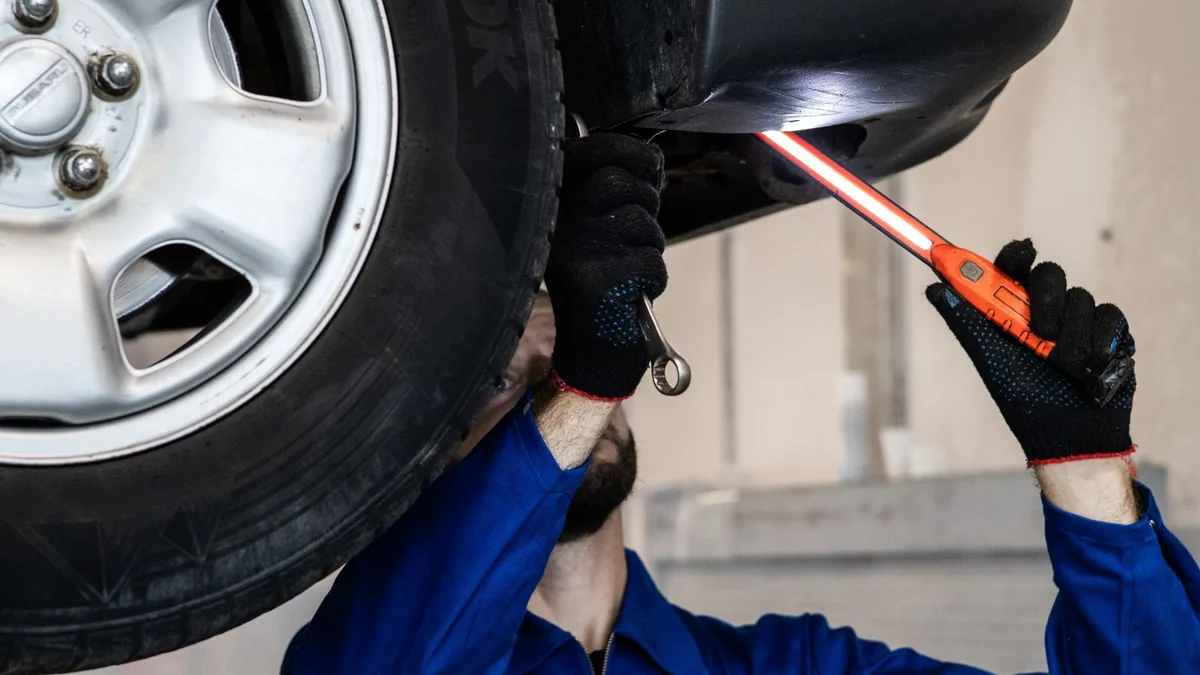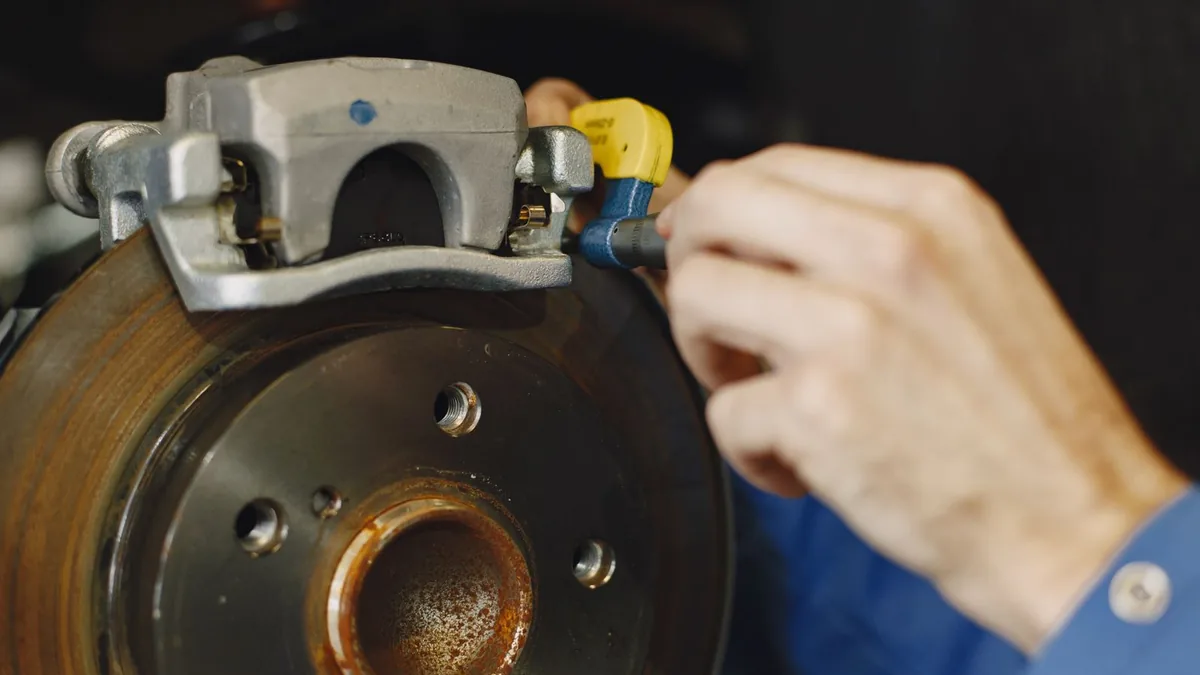
A pothole impact can leave a driver uncertain about a tire, a wheel or a new vibration. The useful response is an appropriate assessment, not assuming every impact requires an alignment or that an apparently inflated tire is undamaged. If the vehicle feels unsafe, seek professional guidance about stopping and arranging transport instead of continuing to test it on the road.
Indianapolis discussions about tire failures and towing show how quickly an ordinary trip can become a service-selection problem. They do not establish the cause of a particular failure or support blaming every tire concern on local road conditions. Describe what happened and let the findings guide the next decision.
Put immediate safety ahead of inspection
Do not walk into traffic or crouch beside an exposed lane to examine a tire. If the vehicle is disabled or in a dangerous position, contact appropriate emergency assistance. Explain the location accurately. A closer photograph is not worth entering a hazardous area, and this guide cannot determine whether it is safer to remain in or leave a particular vehicle.
Record the event without diagnosing it
When safe, note when the impact occurred and what changed afterward. Mention noises, steering changes, vibration or a pressure warning. Explain whether symptoms started immediately or appeared later. Avoid telling the shop that the problem is definitely alignment, a bent wheel or a puncture before it has inspected the vehicle. Your observation history is more useful than an unsupported conclusion.
Ask whether the vehicle should be transported
Describe visible damage and driving symptoms to the service provider. Ask whether a roadside response, a usable spare or a tow is appropriate for the actual vehicle and location. Do not assume a temporary spare has the same use limits as an ordinary tire. Follow the owner's manual and professional guidance rather than improvising a journey based on distance alone.
Request a tire-condition assessment
Ask the tire professional what must be examined before deciding on repair or replacement. An impact-related concern is not automatically a simple tread puncture. Explain any previous tire repairs or known pressure loss. NHTSA advises professional evaluation of damage and unusual tire or vehicle behavior; the inspection should determine what applies to your situation rather than treating every visible mark alike.
Include the wheel in the discussion
Tell the shop if you see an apparent wheel change, but avoid removing components to investigate. Ask whether the wheel needs assessment alongside the tire and what findings support any recommendation. A new tire alone may not answer every question after an impact. Conversely, do not assume a wheel must be replaced simply because the vehicle encountered a pothole.
Separate balancing from alignment
Ask the shop to explain which service addresses which observed issue. These terms describe different work and should not be treated as interchangeable package labels. If both are proposed, request the basis for each and what completion checks are included. The goal is to understand the repair plan rather than select every available service as a precaution without a finding.
Ask about other components only when relevant
An inspection may identify a concern beyond the tire or wheel. Ask what was observed and whether further diagnosis is needed. Do not infer hidden damage from a dramatic noise alone, or dismiss a professional finding because the tire still holds air. Keep the recommendation tied to the actual evidence and the scope the provider was authorized to assess.
Compare repair and replacement explanations
If repair is offered, ask why the tire is suitable and what the work includes. If replacement is recommended, ask why repair is inappropriate. For a replacement, request a specification suitable for your vehicle and discuss any matching requirements. A national price range does not establish the appropriate product or a local installed price for your particular wheel and tire setup.
Check the complete installed price
Ask whether the quote includes the tire, installation, balancing where applicable, relevant service items and disposal. Identify additional charges rather than comparing an online product price with a completed workshop job. Ask how warranty or road-hazard arrangements work if offered. Do not assume an earlier purchase automatically includes coverage for the current event.
Preserve useful records
Keep the assessment, invoice and any safe photographs if you need to discuss the event with an insurer or another party. Do not assume a roadway authority or policy will reimburse damage. This article does not determine eligibility or claim deadlines. Ask the relevant organization for its current process and supply factual information rather than a diagnosis you have not obtained.
Ask what follow-up is appropriate
At collection, ask whether any symptom remains unresolved and what should prompt further assessment. Request relevant usage instructions for a temporary or newly fitted component. Follow the vehicle and tire manufacturer's guidance. If the vehicle still behaves abnormally, discuss it with the provider instead of assuming a completed invoice proves every possible impact-related issue has been ruled out.
Choose the provider for the required work
Browse auto and vehicle services and confirm tire, wheel or alignment capability directly. Some businesses may coordinate specialist work rather than perform everything themselves. Ask who inspects the vehicle, who supplies any report and who handles follow-up. A clear answer helps you avoid booking an appointment that cannot evaluate the particular concern.
Frequently asked questions
1. Does an inflated tire mean there is no damage?
No conclusion should be based solely on inflation. Describe the impact and symptoms to a tire professional and ask for an appropriate assessment. Visible condition alone may not answer every safety question.
2. Should I drive to several shops for quotes?
First establish whether the vehicle can be driven safely. If there is uncertainty or a serious symptom, ask about transport. Comparing prices should not require extending a potentially unsafe trip.
3. Is every pothole impact an alignment problem?
No. Ask what the inspection shows and what service addresses it. Tire condition, wheel condition and alignment are different questions, and a recommendation should explain the relevant finding.
4. Are balancing and alignment the same?
They are different services. Ask the shop to explain why either is proposed for your symptoms and what is included. Do not treat similar-sounding workshop packages as interchangeable work.
5. Can a damaged tire always be repaired?
Suitability depends on the actual damage and applicable manufacturer and professional criteria. Have the tire assessed rather than accepting an online assumption. Ask why repair or replacement is recommended in your case.
6. Do I have to replace the wheel too?
Ask for an assessment and the evidence supporting any wheel recommendation. An impact does not automatically settle that question, and replacing only the tire may not answer every concern either.
7. Can I use a temporary spare normally?
Follow the vehicle's instructions and the spare's limitations. Ask for professional help if unclear. Do not assume that a temporary spare supports the same use as the normal tire solely because it fits.
8. What should a replacement quote include?
Request the exact tire specification and the complete installed scope, including relevant services and disposal. Clarify any optional protection arrangement separately so the total can be compared with another written offer.
9. Will insurance or the road authority pay?
That depends on the actual policy or applicable claim process. Ask the organization directly and retain factual records. A repair invoice or this guide cannot establish entitlement to reimbursement.
10. What if vibration remains after service?
Tell the provider what persists and ask what follow-up assessment is appropriate. Do not assume the symptom is harmless or that one completed service rules out every other issue related to the event.
Sources and related reading
- Indianapolis tire and towing discussion: local service-selection context only.
- NHTSA: tire safety.
- NHTSA-hosted tire maintenance guidance.