A request for “a quick weld” can hide very different projects: a decorative bracket, a production fixture or a component whose failure could injure someone. The right provider depends on that application, the material and the conditions where the work must happen. A convenient location or impressive photograph is not enough to establish suitability.
An Indianapolis discussion seeking an on-site welder described specialized access and equipment needs. Another asked where to take a tiny welding job. Together they illustrate why the project brief matters, without establishing today’s rates or a particular contractor’s capabilities. Use an honest scope to distinguish shop work from a genuinely suitable mobile service.
Describe what the finished item must do
Explain the item’s purpose, load or operating conditions where known, and the consequences of failure. State whether it is decorative, functional or part of a safety-critical assembly. The fabricator can then identify missing design information. Do not describe consequential work as cosmetic merely to obtain a faster or cheaper response.
Identify repair versus new fabrication
A repair must consider the existing item and why it failed, while new fabrication may begin from an approved design. Ask whether the provider will assess the condition before proposing work. Welding over a visible crack without discussing the application is not the same as establishing that the complete item is fit for use.
Provide material information and photographs
Send accessible identification, drawings and photographs of the whole assembly as well as the damaged area. Note coatings or contamination you know about without attempting hazardous removal. The contractor should explain what additional assessment is needed. Appearance alone may not settle the material or the suitability of a proposed process.
Compare mobile service with shop access
Ask whether the item can be transported safely and whether the provider recommends working on-site. Mobile attendance may require specific access and site preparation. Shop work can offer different handling or equipment arrangements. Neither option is automatically better; compare what the actual project needs and who is responsible for transport.
Assign design and engineering responsibility
Ask who supplies dimensions, connection details and any required engineering review. A welding business may fabricate to a drawing without assuming responsibility for the complete design. Put that distinction in writing. If the application needs a specialist’s assessment, obtain it rather than treating the welder’s attendance as approval of every design decision.
Explain site conditions before booking
Describe indoor or outdoor access, nearby operations, occupied areas and restrictions on working hours. Tell the provider about access equipment or isolation requirements that may be relevant. Do not promise that an ordinary outlet or improvised platform will be adequate. Ask the contractor to identify the conditions needed for a safe, suitable visit.
Ask how hot-work hazards are managed
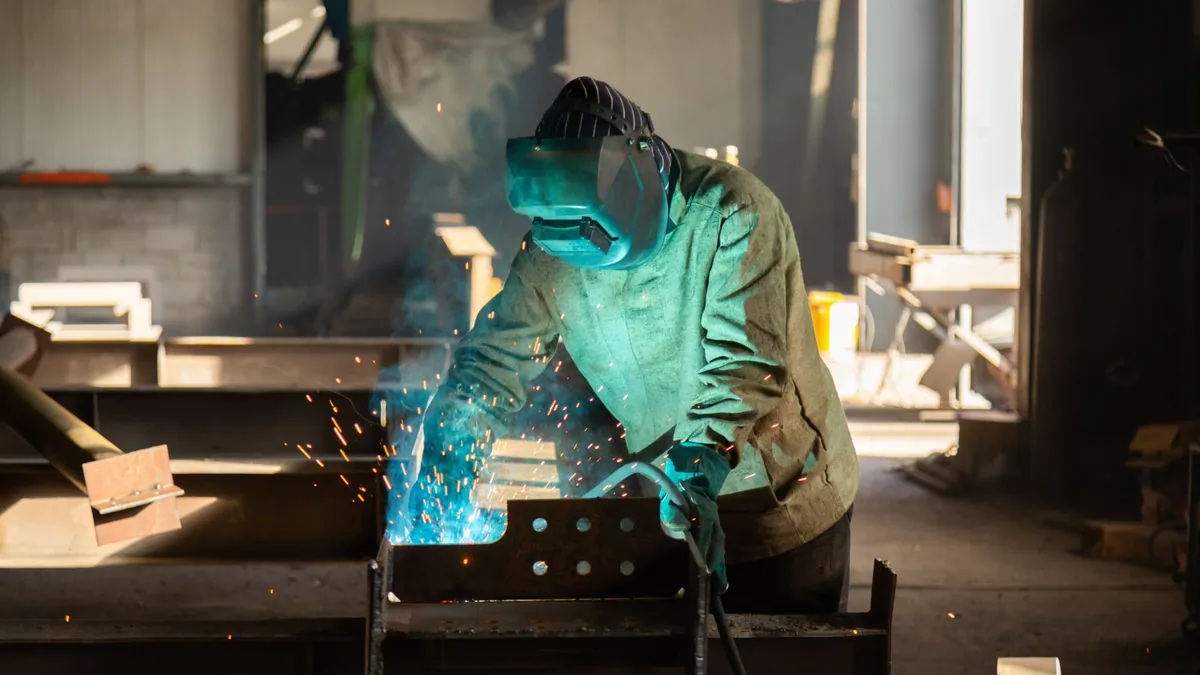
OSHA identifies welding hazards including fumes, radiation, burns and electrical risks. Ask the provider how it assesses and controls hazards for your site. This is a reason to use competent personnel and coordinate with the site’s responsible person, not a checklist for an untrained customer to perform welding independently.
Clarify equipment and consumable responsibility
Ask which equipment the contractor supplies and which site services it requires. Confirm responsibility for access equipment, shielding, consumables and any subcontracted operations. A labor-only quote is difficult to compare with a fully equipped project. Identify who authorizes additional materials if assessment reveals a different requirement from the initial description.
Specify finish and appearance
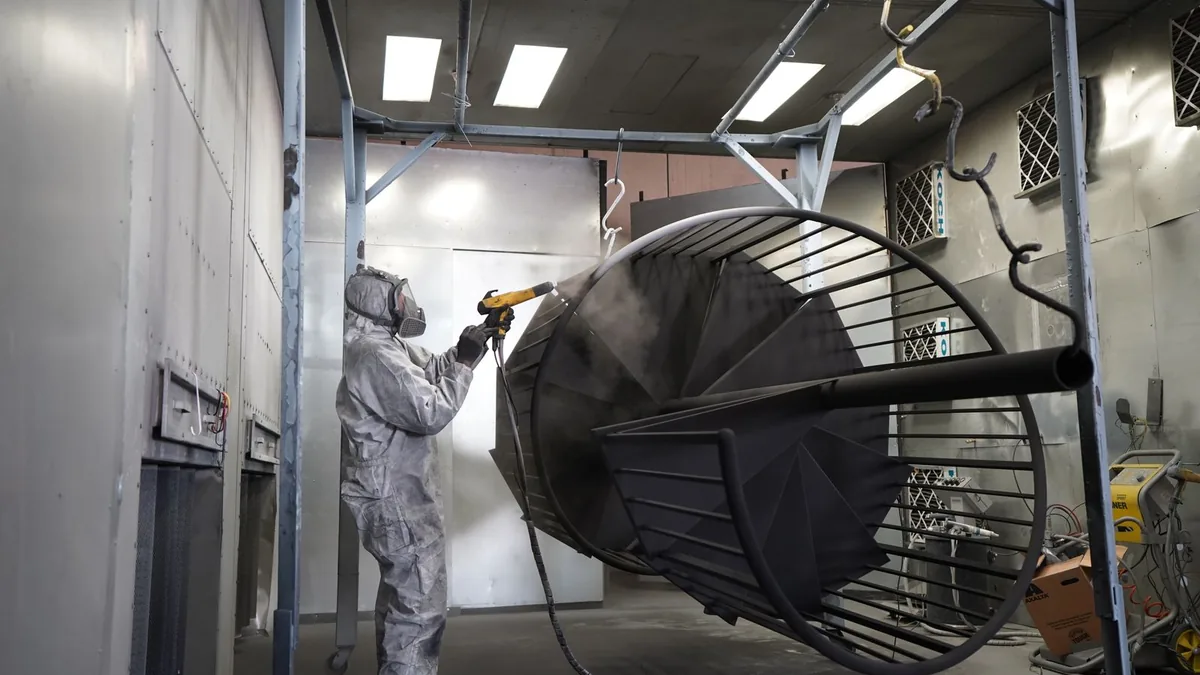
Agree what the completed item should look like and whether grinding, painting or another finish is included. Discuss acceptable visible differences on repaired work. Photographs of previous projects can help explain expectations, but should not replace an agreed specification. Finishing requirements may also affect production sequence, transport and later maintenance.
Define inspection and acceptance
Ask what checks apply to the work and what documentation you receive. Some applications require more than a visual review, while others do not need the same inspection scope. The provider should explain what is included and excluded. A generic claim of quality does not identify which parts of your project were assessed.
Compare the complete attendance cost
Request scope for assessment, travel, minimum attendance, preparation, fabrication and finishing. Ask how changes are approved. Do not treat an hourly anecdote from a forum as a current local quote. A small physical weld can involve substantial setup or access, and a low hourly figure may exclude important parts of the completed job.
Arrange handover and return to service
Ask what must happen before the item is used again, including any required inspection or other specialist approval. Keep the drawing, work record and maintenance information. The correct handover depends on the application. Do not assume that an item is ready for every original duty simply because it has been welded and returned.
Frequently asked questions
1. Can a mobile welder fix any metal item?
No. Material, access, equipment and application can limit the work. Describe the complete project before booking. A provider should explain when shop work, engineering assessment or another specialist is needed rather than agreeing solely from a close-up photograph.
2. Is a small weld always a cheap job?
Not necessarily. Assessment, travel, preparation and safe access can be significant parts of the work. Ask for the full attendance scope. A quote should be evaluated against the required outcome rather than the length of the weld alone.
3. Should I remove old paint first?
Ask the contractor what preparation is appropriate and who will perform it. Unknown coatings can introduce hazards, and removal may alter the item or the assessment. Do not grind or burn off material merely because a photograph makes the job look straightforward.
4. Can I supply my own material?
Ask whether the provider accepts customer-supplied material and what identification it needs. Clarify responsibility for suitability and replacement if the material is unsuitable. A lower purchase price does not answer whether the material meets the design and operating requirements.
5. Does welding repair prove structural safety?
No blanket conclusion follows from the process alone. Safety depends on the item, design, condition and appropriate inspection. Ask who is responsible for engineering assessment where needed. A welding invoice should not be treated as an unrestricted approval of the entire structure.
6. Who should arrange a lift?
Agree before attendance. The contractor must assess its access needs, and any equipment or operator arrangements should be suitable for the work. Do not assume a customer-owned ladder or platform will be acceptable simply because it reaches the intended location.
7. Is painting included in fabrication?
Only if the agreed scope says so. Clarify surface preparation, finish, color expectations and any outsourced work. The item may leave the welding stage without its final protection or appearance, so compare quotes for the same finished condition.
8. What should an estimate describe?
It should identify the item, intended work, major assumptions, access responsibilities, exclusions and approval process for changes. Ask whether inspection and finishing are included. A broad description such as “repair metal” may leave important differences unresolved between otherwise similar prices.
9. Can I watch welding at close range?
Follow the contractor’s site controls and remain outside restricted areas. Welding can create eye and other hazards for bystanders. Do not assume ordinary sunglasses or standing slightly farther away is sufficient protection; let the responsible professional manage the work zone.
10. What records should I keep?
Retain the approved design or repair scope, invoice, inspection documents and return-to-service instructions. Record authorized changes and the application discussed with the contractor. Those details help explain what was actually completed if the item needs another assessment later.
Sources and related reading
- Indianapolis on-site welding request.
- Indianapolis small welding job discussion.
- OSHA: welding hazards and solutions.
Browse category provider contacts and confirm the relevant capability directly. Directory inclusion does not establish specialist qualifications.