A one-off replacement or a small production run can be difficult to quote when the intended function is clear to the buyer but the manufacturing requirements are not. A useful request turns that function into information a machine shop can assess without guessing. It also distinguishes the first acceptable part from the cost of producing further copies.
Indianapolis discussions about small runs and spare parts describe the challenge of finding shops willing to handle low quantities. Those posts establish a real local question, not a current price or endorsement. Prepare the same project information for each candidate so a shop can explain whether it is a suitable fit.
Explain the function before specifying a process
Tell the shop what the part does and what it must fit. Include the operating environment and whether failure could affect safety. Do not ask a machinist to infer design responsibility from a sketch alone. If engineering assessment is needed, identify who provides it before manufacturing begins.
Identify drawing ownership and revision
Use a clearly named drawing with a revision and date. Mark which file controls if you send both a model and a dimensioned document. A photograph is useful context but usually cannot settle every manufacturing question. Ask the shop to list missing information before quoting an assumed interpretation.
Distinguish critical dimensions from preferences
Explain which interfaces control fit and which surfaces are cosmetic. Ask a qualified designer to define appropriate tolerances rather than demanding the tightest possible value everywhere. Unnecessary precision can change the process and inspection effort. The shop should not have to guess whether an unmarked dimension is essential to function.
Specify material and permitted substitutions
Identify the required material if known and provide available records. If it is unknown, ask what assessment or design input is needed. Agree who approves substitutions. “Something strong” is not a material specification, and matching the appearance of an old part does not establish that its properties are suitable.
State quantities and likely repeat demand
Ask for the quantity you actually need and identify possible future orders separately. Compare setup and unit costs without implying a guaranteed production volume. A small run may need the same planning or fixturing as a larger one. Ask which preparation can be reused if a later order is placed.
Clarify reverse-engineering scope
If supplying a worn or broken sample, ask what measurements and assumptions are required. Wear can obscure original dimensions. Confirm whether a drawing or model becomes part of the deliverable and who approves it. Copying a damaged sample without discussing function may reproduce the problem rather than create an appropriate replacement.
Agree on finish and secondary operations
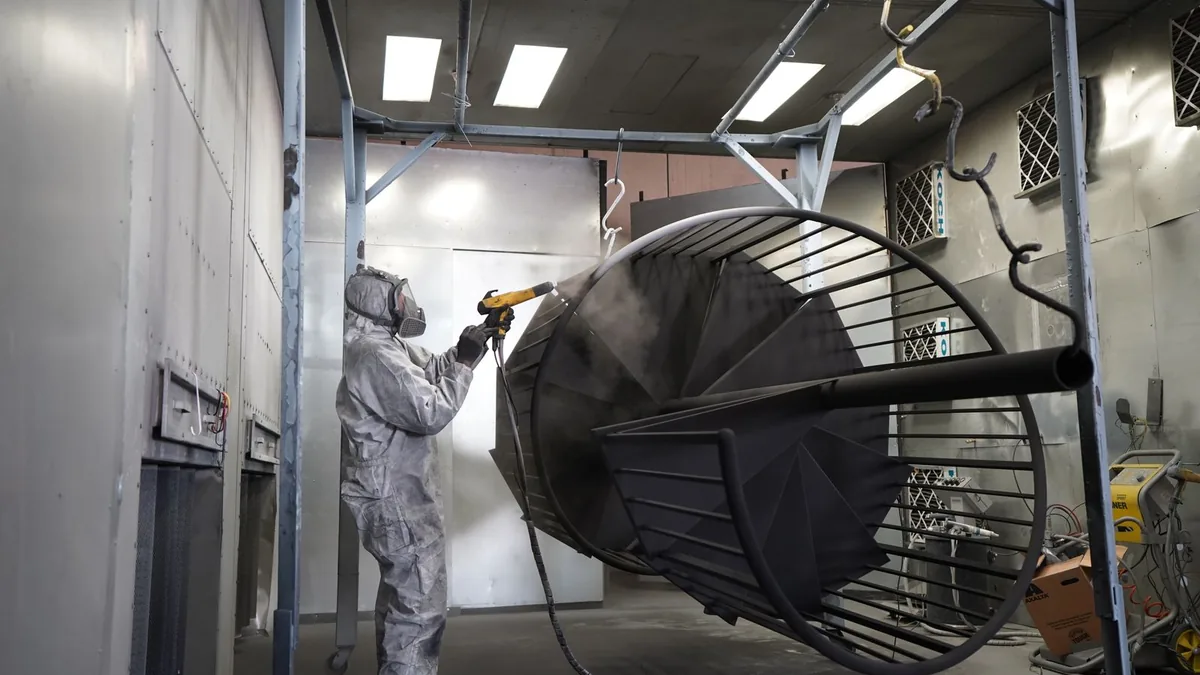
List deburring, coating, heat treatment or other required work as applicable to the design. Ask whether those operations are performed in-house or subcontracted and whether they affect delivery. A part ready for machining is not necessarily ready for installation. Make the desired condition at handover explicit in the quotation.
Define inspection before production
Ask what will be measured, what record you receive and how nonconforming work is handled. The appropriate inspection depends on the part’s purpose. A certificate or dimension report should identify what was checked. Do not assume a general statement of quality includes every measurement required by your customer or application.
Consider first-part approval for uncertain work
For a new design, ask whether an initial piece can be reviewed before the rest of the batch is completed. Establish the approval method and responsibility for design changes. This can clarify fit without treating production as an open-ended experiment. It may also affect price and schedule, so discuss it early.
Compare delivery commitments with dependencies
Ask when material, drawing approval and inspection requirements must be settled for the stated lead time to apply. Distinguish a tentative opening from a confirmed completion date. If the part supports downtime-sensitive equipment, explain that need honestly. Do not assume a small physical component requires little scheduling or manufacturing effort.
Keep safety-critical work with appropriate specialists
Explain any pressure, lifting, braking or other consequential use. A general machine shop may decline such work or require engineering documentation. Do not conceal the application to obtain a simpler quote. Shop-floor machine safety also belongs with trained personnel; this guide is not an instruction to improvise machining at home.
Retain the approved manufacturing record
Keep the final drawing, revision, material information, inspection record and invoice together. Record changes approved during production. These details make a repeat order more reliable than an old email saying “same as last time.” Ask the shop how long it retains files and whether tooling or fixtures are included in your ownership.
Frequently asked questions
1. Will every machine shop take a one-off job?
No. Capabilities, scheduling and minimum job sizes vary. Describe the quantity and application at the first contact. A shop declining a small run is not evidence of poor quality; its equipment or workflow may simply suit different work.
2. Can I get a quote from a photograph?
A photograph may start the conversation, but the shop may need drawings, dimensions or a sample. Ask what information is necessary for a firm quote. Treat an estimate based on incomplete information as provisional rather than a guaranteed manufacturing price.
3. Why is one part expensive?
The job may include planning, setup, material preparation and inspection regardless of quantity. Ask the provider to explain the scope. A unit-price comparison with mass production can hide these fixed tasks and does not establish that a local quote is unreasonable.
4. Should I request the tightest tolerances?
Only specify tolerances justified by the design and application. A qualified designer can help identify critical interfaces. Unnecessary precision can complicate production and verification without improving function. Ask the shop to flag requirements that appear inconsistent or unclear before accepting the work.
5. Can a broken sample be copied exactly?
Damage and wear can obscure its original condition. Ask what assumptions the shop would make and who approves them. For consequential applications, engineering input may be needed. A copied shape alone does not establish suitable material, performance or safe operation.
6. Do I own the new drawing?
Ownership and delivery depend on the agreement. Ask whether reverse engineering includes an editable model, dimensioned drawing or only the finished part. Clarify file formats and permitted future use before paying, especially if another shop might need to reproduce the work.
7. What does first-part approval involve?
Agree on what you will inspect or trial, how feedback is recorded and when the remaining batch proceeds. Approval should reference the correct revision. Make sure design changes and their cost are understood rather than treating every adjustment as an included manufacturing correction.
8. Is coating normally included?
Do not assume it is. List the required final condition and ask whether secondary operations are included or subcontracted. Coating and other finishing can affect dimensions or schedule, so the requirement should be known before the main machining plan is finalized.
9. Can a hobby machinist handle the work?
That depends on documented capability and the application, not the label alone. Clarify equipment, inspection, accountability and any safety-critical requirements. For consequential components, obtain appropriate professional input instead of selecting solely on the lowest price or an informal recommendation.
10. What information makes a repeat order easier?
Keep the approved revision, material, quantity and inspection requirements. Record any changes made during the first job. Confirm whether the shop retained tooling and files. A complete record avoids assuming that staff will remember details from a previous small order.
Sources and related reading
- Indianapolis small-run machining discussion.
- Indianapolis search for one-off spare-parts machining.
- OSHA: machine guarding overview.
Browse category provider contacts and confirm the relevant capability directly. Directory inclusion does not establish specialist qualifications.