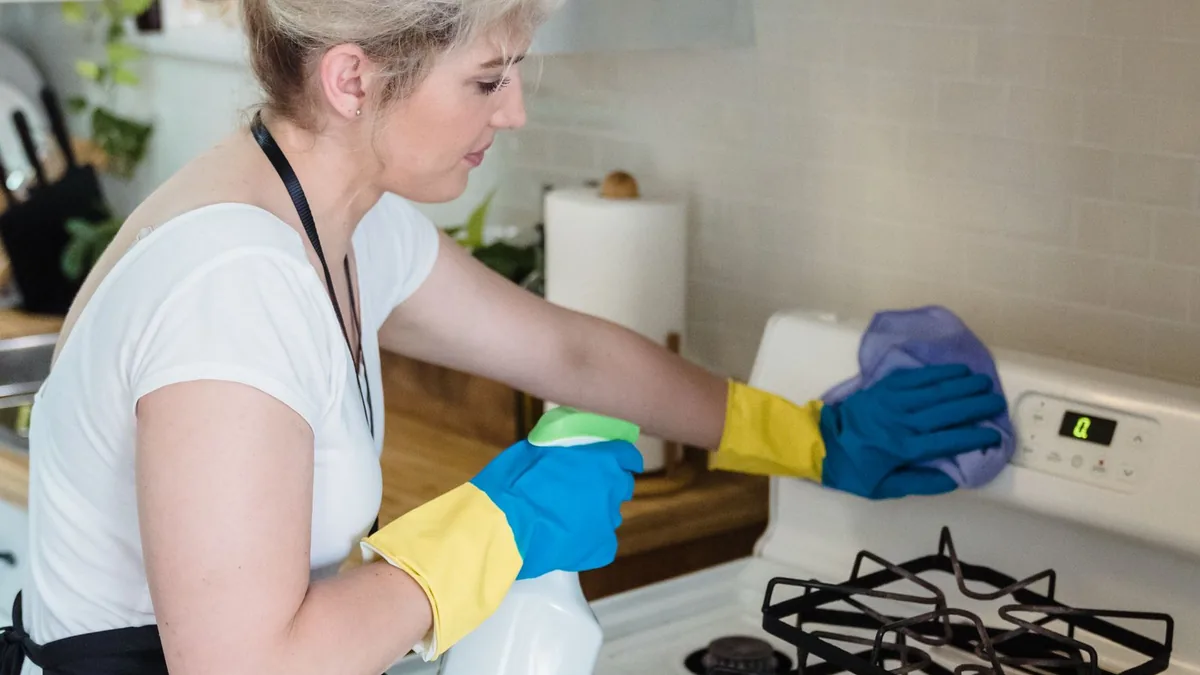
A cleaning-service gift can be practical support, but only when the recipient wants it and can control how it happens. An Indianapolis discussion asked for a one-time clean for a friend after a difficult year. The strongest planning lesson is not a particular business recommendation. It is to arrange consent, scope and scheduling before buying a package that might create more preparation or awkwardness for the person you want to help.
Ask whether the gift is welcome
Offer the service privately and give the recipient an easy way to decline. Avoid describing the home as a problem that you have decided to fix. Ask whether cleaning, organizing or another kind of assistance would actually be useful. Consent is especially important when a stranger would enter the home and handle access to personal spaces and belongings.
Let the recipient choose priorities
A bathroom reset, kitchen detail or a general maintenance visit can meet different needs. The person living there should decide what matters most. Do not assume a dramatic whole-house transformation is the most helpful gift. A narrower appointment with a clear outcome can be easier to arrange and less disruptive than a large service imposed without discussion.
Separate a gift budget from a promised result
Tell the provider what budget you are offering and ask what scope it supports. Avoid promising the recipient unlimited work before receiving an estimate. If the actual condition requires more time, decide how that question will be handled. The recipient should not unexpectedly be pressured to pay a balance for a gift they did not price or authorize.
Choose a flexible payment format
Ask about prepaid visits, credit and gift-certificate terms. Read expiration, transfer and refund conditions before purchase. A flexible credit may work differently from a fixed package. Confirm who can book and whether the recipient must provide a payment card. Do not assume every cleaning business handles gifts through the same process or offers the same protections.
Protect the recipient’s privacy
Share only the information necessary to obtain an estimate and let the recipient approve photographs or details about the home. Do not send sensitive personal circumstances as a way to negotiate a discount. A provider needs practical scope and access information, not a public explanation of why someone is receiving help or how difficult the past year has been.
Check preparation expectations
Some services require counters or floors to be cleared; others offer assistance with specific preparation. Ask what is expected and whether it is realistic for the recipient. A cleaning gift that requires a full day of sorting may not meet the intended need. If organizing is required, discuss a suitable service rather than quietly adding it to a cleaner’s checklist.
Make scheduling the recipient’s decision
Offer help arranging dates, but let the person choose the access window. Consider work, pets, care responsibilities and apartment rules. Avoid a surprise visit unless the recipient has explicitly asked for that arrangement. Ask the business about availability and rescheduling terms so the gift does not depend on a single date that may be inconvenient.
Match the provider to the agreed task
A routine residential cleaner may not handle extensive clutter, suspected contamination or specialized restoration. Describe the actual requested work without exaggeration. Ask what the business excludes and whether another provider would be more suitable. A gift should not place a worker or recipient in an unexpected situation that the selected service is not prepared to manage.
Agree who authorizes extra work
The payer and resident can be different people. Tell the provider who can approve additional tasks and charges, and who receives the invoice. Make sure the recipient is comfortable with that arrangement. A simple spending limit and contact plan can prevent an awkward conversation in the home when the team identifies work beyond the prepaid scope.
Keep entry and belongings under resident control
Let the recipient decide how keys, entry codes and off-limit rooms are handled. Do not provide access you are not authorized to share. Ask about pets and valuables without turning the gift into an inspection. The cleaner’s role is to complete agreed work, while control of personal spaces remains with the person whose home it is.
Define completion without demanding a performance
Ask the provider how it confirms that the agreed tasks are complete and how concerns are reported. The recipient should not feel obliged to produce photographs or public praise for you. If the service misses a task, help with communication only if asked. The gift’s purpose is practical support, not a before-and-after story for other people.
Offer follow-up that does not create an obligation
Afterward, ask whether anything about scheduling or scope was helpful and whether they want assistance again. Do not convert a one-time gift into an assumed recurring arrangement. If ongoing service is desired, let the recipient and provider agree on access, frequency and payment directly. Good support gives the person more choice rather than quietly taking it away.
Frequently asked questions
1. Is a surprise cleaning visit a good idea?
Only if the resident has explicitly welcomed that arrangement. Unannounced access to a home can be intrusive and impractical. Offer the idea first and let the recipient decide whether, when and where a cleaner may work.
2. Should I buy a gift card or a specific visit?
Compare the actual terms and the recipient’s preference. A credit can offer flexibility, while a booked scope may provide certainty. Check expiration, booking requirements and any extra payment expected from the recipient before purchasing.
3. Can I arrange cleaning without seeing the home?
Possibly, but the provider still needs an accurate scope estimate. Let the recipient share necessary details or photographs voluntarily. Avoid making promises about price or completion when the property condition has not been assessed.
4. What if the home needs organizing first?
Ask whether that help is wanted and whether the business offers it. Sorting belongings is a different task from surface cleaning. Choose a realistic preparation plan instead of giving a service that creates an overwhelming workload beforehand.
5. Who should pay for additional time?
Agree on this before the appointment. A gift recipient should not discover an unexpected bill during the visit. Set a spending limit and identify who can authorize changes if the actual work differs from the estimate.
6. Should I tell the cleaner why I am giving the gift?
Share only practical information needed for the service and respect the recipient’s privacy. Personal hardships are not usually necessary to describe the room list, access arrangement or cleaning priorities the provider must plan around.
7. Can the recipient choose another company?
Make that choice part of the discussion before purchase. Refund or transfer terms can limit options after payment. A flexible offer to cover an agreed service may be more useful than a nonrefundable package chosen without consultation.
8. What if the recipient does not want photos?
Respect that choice and ask the provider about other ways to estimate and confirm work. Photographs should not be a condition of receiving help unless a necessary provider process has been explained and freely accepted.
9. Does a one-time clean include follow-up visits?
Only if the purchased scope says so. Clarify correction terms separately from additional services. A revisit to address an included missed task is different from arranging a new maintenance appointment after the gift is complete.
10. How do I make the gift less awkward?
Offer a clear choice, avoid judgment about the home and keep control with the resident. Define payment and scheduling quietly. The useful outcome is agreed work that reduces effort, not an obligation to explain or defend their circumstances.
Sources and related reading
- Indianapolis discussion about a one-time cleaning gift.
- Competitor scope comparison.
- Find category contacts and confirm the exact service directly.