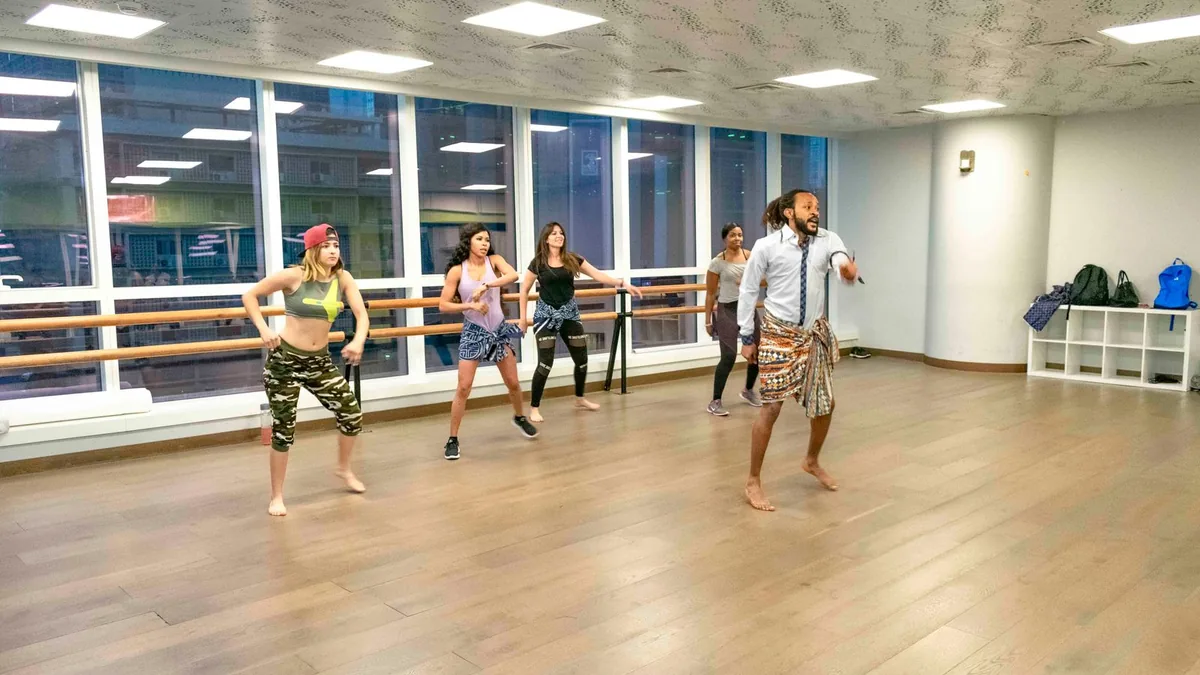
A class labeled beginner can mean several things: a first-ever introduction, a returning dancer’s refresher or a course that assumes knowledge from an earlier term. Before enrolling, describe what you have done recently and ask what the class expects on the first day. That conversation is more useful than deciding from an age range or an appealing performance video.
Indianapolis residents have asked about adult beginner classes and returning after years away from dance. Their questions motivate this guide, not a ranking of studios. Compare the current program directly and choose an appropriate learning environment; this article does not prescribe exercise or promise a health outcome.
Describe your recent experience honestly
Tell the instructor whether you are entirely new, returning after a long gap or changing styles. Past experience can help but does not establish readiness for a particular class. Ask what terms or movements are assumed. A clear description allows the studio to suggest a suitable starting point without you having to choose a level from its name alone.
Ask which style the course teaches
Identify whether the class focuses on a specific dance tradition, social participation, technique or a performance project. A broad adult-dance label does not explain the content. Ask what a typical session covers and whether the course follows a sequence. Compare the actual learning goal with the reason you want to attend rather than treating all movement classes as interchangeable.
Clarify what beginner means here
Ask whether new participants start together and whether prior sessions are expected. Some classes introduce fundamentals continuously, while others build on a fixed course. Get a direct answer for the current program. If you join partway through, ask how missed material is handled instead of assuming a friendly description guarantees the same entry point every week.
Compare a course with a drop-in arrangement
A course and a drop-in pass create different attendance expectations. Ask which arrangement supports the intended progression and how absences affect participation. A flexible ticket can be useful without being the best fit for every learning goal. Review what you can realistically attend before paying for a sequence that depends on regular participation.
Discuss partner arrangements before booking
For a partnered style, ask whether a partner is required, whether participants rotate and how someone attending alone is included. Do not assume the rule from another studio applies. Explain any relevant preference or concern privately. The answer should describe the actual class format, not leave you discovering the participation arrangement after arriving at the first session.
Check the atmosphere and teaching approach
Ask how instructors explain unfamiliar material and help participants who need repetition. A trial or observation opportunity, when available, can help assess fit without judging the program solely by promotional clips. Look for a clear way to ask questions. You are choosing instruction and a comfortable learning process rather than an assurance that every session will feel effortless.
Explain access and participation needs
Ask about entrances, changing arrangements, space and any accommodations relevant to attendance. Share individual concerns with the instructor without treating a directory article as a suitability assessment. If a health question affects participation, seek appropriate professional guidance. The studio should explain what it can provide and where it needs additional information rather than promising universal suitability.
Confirm footwear and equipment expectations
Ask what is appropriate for the room and style before buying specialized items. Explain whether you are trying the class for the first time. A recommendation should distinguish required equipment from optional preferences. Avoid assuming outdoor shoes, a previous style’s footwear or a product advertised online will suit the surface and format of the actual session.
Check the practical arrival plan
Confirm the current address, entrance, parking or transport needs and how early a new participant should arrive. Ask about registration and any first-visit steps. A class that fits your interests may be difficult to attend consistently if travel or building access is impractical. Do not rely on an old discussion for current schedules, locations or available places.
Read the full booking commitment
Compare the number of sessions, expiry dates, missed-class arrangements and any renewal. Ask which charges are included and what happens if a course changes or is cancelled. This guide does not interpret refund rights. Obtain the provider’s current terms so a low per-session illustration is understood alongside the total amount and practical attendance requirements.
Use the first sessions to assess fit
Notice whether the instruction matches the described starting level and whether you can ask for clarification. Discuss concerns with the instructor rather than silently comparing yourself with experienced participants. An appropriate class may still feel unfamiliar. The useful question is whether the learning process suits your starting point and goals, not whether you master everything immediately.
Choose a manageable next step
Start with the current option that fits your level, schedule and participation needs. Ask how progression or a change of class is handled. Directory education and fitness contacts can provide starting points, but verify that the business actually offers your desired adult style. A category label does not confirm current class availability or instructor suitability.
Frequently asked questions
1. Am I a beginner if I danced years ago?
Describe the experience and the gap to the instructor. Ask what the current course assumes rather than selecting a level solely from your past participation. A refresher or introductory option may suit different returning learners.
2. Do I need to bring a partner?
That depends on the style and provider’s format. Ask about solo attendance and any partner rotation before booking. Do not assume that an adult social class or a partnered dance style follows one universal arrangement.
3. Is a drop-in class always suitable for a first visit?
Ask whether it introduces fundamentals continuously or expects earlier material. Flexible booking and entry-level instruction are separate features. Confirm what a new participant needs to know for the specific session you plan to attend.
4. Should I buy dance shoes immediately?
Ask the studio for current requirements and whether a trial has different expectations. Distinguish necessary items from optional purchases. The appropriate footwear depends on the style and actual venue rather than a generic online list.
5. Can I join a course halfway through?
Contact the instructor about its progression and missed content. Some courses may have an appropriate entry plan, while others depend on earlier sessions. Availability alone does not explain whether the level and timing fit your needs.
6. Will everyone else be experienced?
Ask how the class is described and who it is intended to serve. A mixed group may still include beginners, but the instruction format matters. A trial or conversation can provide more useful information than a promotional photograph.
7. What if a health issue affects participation?
Seek appropriate professional guidance and discuss relevant access or participation needs with the provider. This article does not assess individual fitness or prescribe modifications. Ask what the instructor can accommodate and what information is needed.
8. Does a low session price mean a small commitment?
Check the total purchase, session count, expiry, renewal and missed-class terms. A per-session illustration may require a larger package. Read the actual current agreement rather than assuming the advertised number is the whole commitment.
9. Can I use last year’s timetable?
Confirm the current schedule, location, registration process and availability with the provider. Public discussion and older program pages can help discover options but do not establish that a particular class is still operating unchanged.
10. How do I decide whether to continue?
Compare the experience with your stated goals, starting level and schedule. Discuss unresolved concerns with the instructor and ask about another suitable option if needed. Progress should be considered in the context of the agreed learning approach.
Sources and related reading
- Local discussion: returning adult beginner
- Local discussion: adult beginner courses
- Indianapolis Ballet: adult program information, not an endorsement
- Naptown Stomp: class-format questions, not a current schedule guarantee
- Browse related businesses. Confirm capabilities and service availability directly.