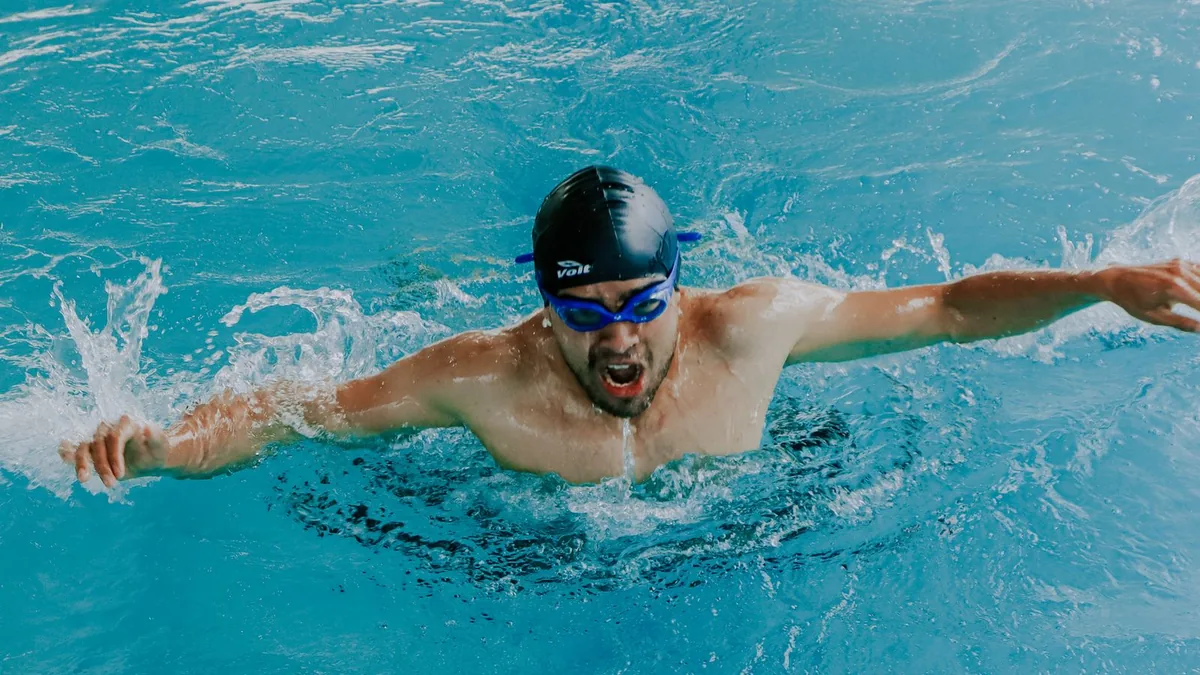
Adult swimming lessons can serve very different starting points. One learner wants to feel comfortable entering the water, while another can swim but wants clearer instruction on a particular stroke. An Indianapolis discussion highlighted this distinction when an adult seeking better form described difficulty finding an appropriate next level. Before paying for a course, explain what you can currently do and ask the provider how it places adults into suitable instruction.
Describe your experience without choosing a level first
Tell the provider what you have done recently and what feels uncertain. You do not need to label yourself accurately as beginner or intermediate before speaking to an instructor. Ask how the program assesses adults and whether placement can change after the first lesson. An honest starting description is more useful than choosing a class whose title sounds reassuring.
Separate water confidence from stroke refinement
Learning to enter and move comfortably in a supervised pool is a different objective from refining an established stroke. Ask which goal the class emphasizes. A course covering introductory skills may still be worthwhile, but it should not be mistaken for detailed form coaching. The right match depends on your current needs rather than age alone.
Ask who teaches the course
Request the instructor's relevant training and experience teaching adults. The American Red Cross describes adult instruction across different skill levels and its Water Safety Instructor pathway. If a provider advertises an affiliation or credential, ask how to verify it. Do not assume every business offering swimming lessons uses the same curriculum or instructor qualification.
Compare group and private formats
Ask how much individual feedback you receive in a group and how different starting abilities are managed. Private lessons may allow a more focused objective, but still need an agreed plan. Compare actual instructor attention, session length and learning goals rather than assuming the format alone determines how quickly you will progress.
Discuss comfort and communication preferences
Tell the instructor if you are uneasy about a particular part of the setting or need explanations before attempting a task. Ask how concerns and boundaries are handled during class. A useful learning environment makes it possible to ask questions without feeling pressured to demonstrate something beyond your current ability merely to keep up with the group.
Understand supervision and facility arrangements
Ask about the pool setting, instructor supervision and the facility's safety procedures. Follow staff directions and do not treat a lesson as permission to practice beyond your ability elsewhere. Swimming instruction supports skill development but cannot guarantee safety in every water environment. Pool competence, open-water conditions and the need for appropriate supervision are separate considerations.
Check depth, entry and changing access
Ask how participants enter the pool, where initial instruction takes place and which access facilities are available. Explain particular access requirements before booking. A suitable timetable is not enough if entering the building, changing or reaching the lesson area creates an unresolved difficulty. Request specific information about the actual facility where your course will run.
Confirm the current schedule and attendance rules
Verify lesson dates, arrival expectations and the policy for missed sessions or facility cancellations. A forum recommendation may refer to an older program or a different location. Plan the travel and changing time around your normal week. Consistent attendance is easier when the practical routine works, rather than depending on unusually flexible work or transport arrangements.
Ask what progress feedback looks like
Request an explanation of how the instructor describes progress and recommends the next step. A useful answer identifies the skills being developed without promising a fixed completion date for every adult. Ask whether you receive a summary or can discuss goals briefly after class. This helps you decide whether another course addresses the same need or a new one.
Find the next level before committing long term
If your goal is stroke improvement, ask what follows the introductory course and how the provider decides someone is ready. A program may serve beginners well while offering a limited intermediate pathway. Knowing this does not make it unsuitable, but it helps you decide whether to book a short course, private instruction or a different provider later.
Clarify practice expectations and equipment
Ask what equipment to bring and whether practice is expected between lessons. Follow the instructor's guidance and the facility's rules; do not improvise unsupervised drills or use unsafe water settings because a class is unavailable. Ask which practice arrangements the provider can actually support. Equipment purchases should follow a specific need rather than a generic shopping list.
Compare the full enrollment arrangement
Check lesson fees, membership requirements, pool access and equipment separately. Ask how to change levels or stop if the course does not match the description. Browse education and fitness providers, then confirm adult instruction directly. A provider's category or an older discussion does not establish current lesson availability, enrollment eligibility or suitability for your goals.
Frequently asked questions
1. Am I too old to take swimming lessons?
Adult programs exist for different experience levels. Ask a provider about its current eligibility and adult teaching approach. Discuss your goals and any access needs rather than assuming that a program focused on children cannot offer a separate appropriate course for you.
2. How do I know whether I am a beginner?
Describe your recent experience and uncertainties to the provider. Ask how it assesses starting skills and whether placement can change. A class label is less useful than a clear match between what is taught and what you need help learning.
3. Are group lessons suitable for an anxious adult?
Discuss the setting, group size and instructor approach before enrolling. Ask how participants can communicate discomfort and what alternatives exist. Some adults prefer private instruction, but the decision should reflect the actual support offered rather than an assumption about every group class.
4. Can I book lessons only to improve one stroke?
Ask whether the provider offers that focus and how it assesses prerequisite skills. A general introductory course may not provide the detailed feedback you want. Explain the specific objective when requesting private lessons or an intermediate class so the scope is clear.
5. Does completing a course make open-water swimming safe?
Do not treat course completion as a universal safety guarantee. Different environments create different conditions and supervision needs. Follow appropriate water-safety guidance and ask a qualified instructor about the limits of the skills taught in your pool-based course.
6. What should I ask about the instructor?
Ask about adult teaching experience, relevant training and any advertised certification. If a credential is claimed, request verification information. Also ask how the instructor manages mixed abilities and gives feedback, because the learning arrangement matters alongside the credential itself.
7. How quickly will I learn?
Avoid a fixed promise that applies to every adult. Ask the instructor to discuss goals, starting ability and progress feedback. A clear course description and periodic review help you decide what further instruction is useful without treating another person's experience as your timetable.
8. What if I miss a class?
Read the current attendance and cancellation policy before paying. Ask whether makeups, transfers or credits are available and under what conditions. Do not assume an older recommendation describes today's arrangement or that every missed lesson can be rescheduled privately.
9. Is pool access included in the lesson fee?
Confirm directly. Enrollment, membership and additional practice access can be separate items. Ask when and where you may attend and what supervision rules apply. A course fee should be compared with all required charges rather than assumed to cover unrestricted pool use.
10. What should I do if the level is wrong?
Raise the mismatch with the instructor or program contact early. Explain whether the issue is pace, confidence or the specific skills covered. Ask about reassessment, transfer or a different lesson format, using the enrollment terms as the reference for available options.
Sources and related reading
- Indianapolis discussion: adults seeking swim-form improvement. Question context; no provider endorsement or current schedule is inferred.
- American Red Cross: adult swimming lessons.
- American Red Cross: water safety.
- Browse relevant Indianapolis providers. Confirm the service and current availability directly.