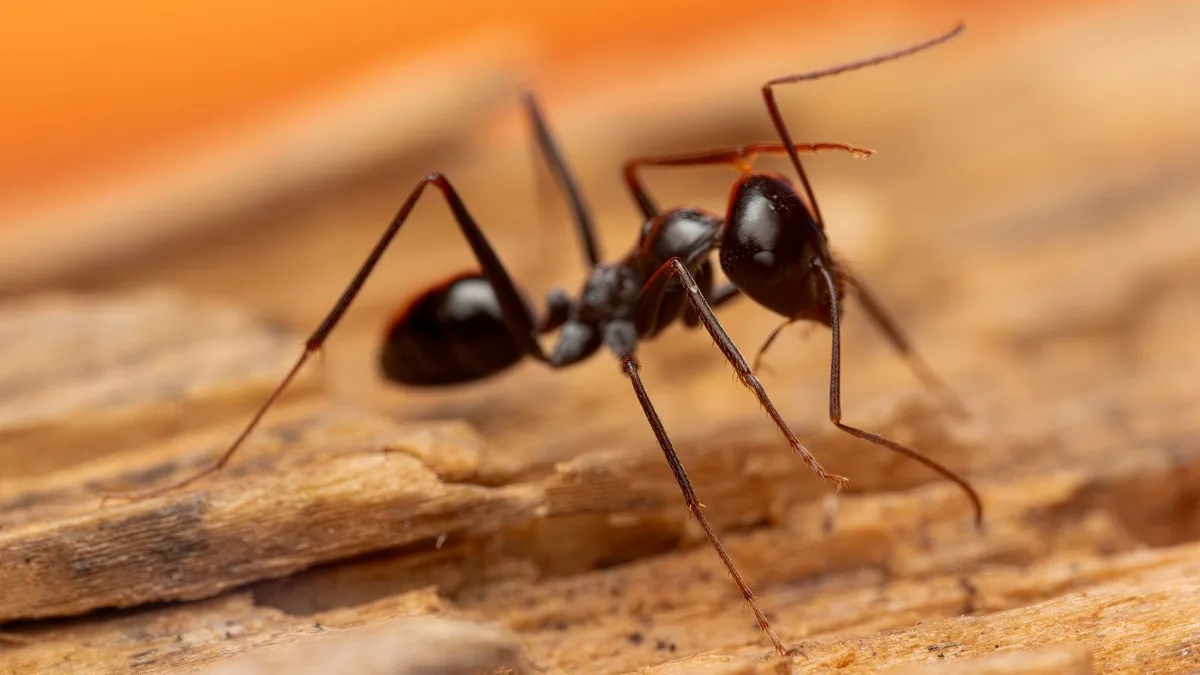
Repeated ant sightings can be frustrating when household products appear to work only briefly. An Indianapolis pest-control discussion described small ants returning after several attempts. The useful next step is identification and an assessment of the situation, rather than combining more products at random. Ask a pest professional how its proposed plan fits the observed insect, the affected rooms and the household’s needs, then agree on preparation and follow-up before treatment.
Document where and when ants appear
Make a simple location record: sink, pantry edge, window, exterior wall or another specific spot. Note whether sightings vary with time or a household activity. A photograph can help identification, but do not invent a species name from appearance alone. The professional should explain what can be identified and whether another observation or sample is needed.
List products already used
Tell the provider about sprays, baits and other products, including approximate dates and locations. Keep labels when available. Previous applications can matter to its plan, and unknown residues should not be ignored. Do not add another product while waiting without asking how that might affect inspection, safety instructions or the method the company is considering.
Ask how identification affects the plan
A useful assessment explains why the observed insect and activity justify the proposed service. Ask which evidence supports that conclusion and whether other pests need consideration. Avoid buying a large generic package merely because it lists many species. The immediate goal is a plan that answers the actual kitchen problem, not the longest list of advertised treatments.
Discuss food and moisture access
Tell the provider about pet feeding areas, pantry storage and any leaks or damp surfaces. Ask which practical changes are relevant to the inspection. This should be a specific household plan, not a claim that every ant sighting proves poor hygiene. A leaking fixture may need a separate repair appointment rather than an extra pesticide application.
Clarify inspection areas beyond the kitchen
Ask whether the visit includes nearby exterior areas, accessible crawlspace sections or other reported locations. Request limitations for areas that cannot be reached. If additional access is recommended, find out what it would establish. Do not assume the entire building was inspected because the invoice uses a broad phrase such as whole-home pest service.
Compare targeted work with a subscription
Ask what the initial service covers and whether a recurring agreement is optional. If follow-up is recommended, ask what it will assess rather than assuming each visit repeats the same application. Compare term length, cancellation and covered pests. A subscription can be useful for some circumstances, but the choice should follow an understandable scope.
Get preparation instructions in writing
Ask what to clear, protect or leave undisturbed before arrival. Instructions may differ by product and method. Share concerns about food-contact areas and delicate belongings. Do not use another customer’s preparation list as a substitute, and do not ask a cleaner to rearrange the kitchen without telling it how the pest appointment is meant to proceed.
Plan around children and animals
Tell the professional about children, pets and any household access needs. Ask for applicable placement, re-entry and post-service instructions. A claim that a product is natural does not answer every exposure question. If the arrangement is impractical, discuss it before the visit so an appropriate method or schedule can be considered.
Ask what should remain undisturbed afterward
Cleaning after treatment may affect the intended work depending on the method. Obtain specific instructions about surfaces and timing. Do not assume a general deep clean is always helpful immediately afterward. The pest professional and any cleaner should work from the same plan so one service does not unintentionally undo or complicate the other.
Set realistic reassessment criteria
Ask what observations are expected, when to report continuing activity and what would trigger a return visit. Avoid demanding or accepting a universal promise of instant disappearance. The business should describe how progress will be evaluated for your situation. Keep sightings factual rather than changing several household variables and products simultaneously without a record.
Read service guarantees as conditions
Ask which pest, rooms and time period are covered and whether a return visit costs extra. Find out what preparation or maintenance conditions apply. A general satisfaction statement does not explain those details. Keep the written terms so a later conversation about continuing sightings can refer to a clear agreement rather than competing memories of a sales call.
Close the loop with repair and prevention
After the inspection, keep a list of relevant household actions and any separate repair referrals. Ask the business to explain which concerns remain unresolved. The long-term value of a service includes a usable record and prevention plan, not merely an application receipt. Reassess if the evidence changes rather than assuming every future insect sighting is the same issue.
Frequently asked questions
1. Why do ants return after a household product?
Several explanations are possible, and the symptom alone does not identify one. Record the locations and previous products, then ask a professional to assess the insect and situation. Avoid layering treatments without an informed plan.
2. Can I identify the species from size alone?
Size is only an observation. Ask the provider how it will identify the insect and what evidence is sufficient. A clear photograph may help, but do not assume every small kitchen ant requires the same treatment.
3. Should I clean immediately before the visit?
Follow the provider’s preparation instructions and explain any food or clutter concerns. Certain evidence may be useful to the inspection. Ask what to clean and what to leave undisturbed rather than relying on a generic checklist.
4. Does a kitchen treatment cover the crawlspace?
Confirm it explicitly. The scope should list inspection and treatment areas and any access limitations. A whole-home marketing phrase may not mean that an inaccessible crawlspace or every exterior location is included in the quoted visit.
5. Do I need a yearly contract?
Ask whether a focused service is offered and compare follow-up terms. A recurring plan should have a clear purpose and covered scope. Do not assume it is necessary simply because a company presents it first.
6. Are natural products automatically harmless?
No broad label answers every safety or compatibility question. Ask for product information and instructions relevant to occupants, pets and surfaces. Use the stated precautions rather than assuming a familiar ingredient or pleasant smell removes all concerns.
7. Can a cleaner come after treatment?
Coordinate with the pest professional’s written post-service instructions. Cleaning timing and surfaces may matter to the proposed method. Tell the cleaner what is restricted so the two appointments work together rather than at cross-purposes.
8. How soon should I complain about more sightings?
Ask the company for its reporting and reassessment instructions before service. Keep a dated location log. An agreed process is more useful than an arbitrary deadline taken from another household’s experience or a product advertisement.
9. Does a leak need pest treatment or plumbing?
A pest professional can explain whether moisture is relevant, but an active fixture problem may need a plumber. Keep repair and pest scopes distinct so a product application is not mistaken for correcting a water source.
10. What should a return visit include?
Ask what will be inspected, how the original plan will be evaluated and whether additional work needs approval. A follow-up should respond to evidence rather than automatically repeat the same action without explaining why it remains appropriate.
Sources and related reading
- Local recurring-ant question.
- EPA integrated pest management framework.
- Pest-service selection comparator.
- Find category contacts and confirm the exact service directly.