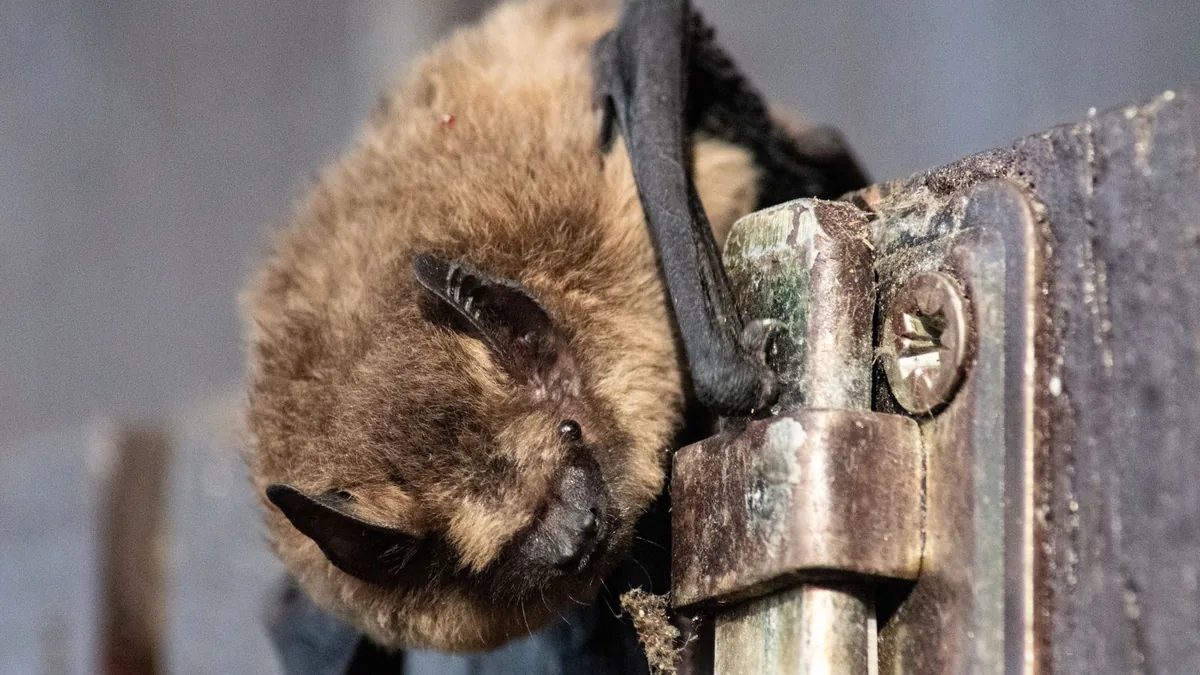
Bat activity calls for a plan that respects both people and wildlife. An Indianapolis discussion asked about attic and garage removal, exclusion and cleanup. Those are several distinct tasks, and the timing and method need to follow current Indiana guidance and the circumstances at the property. Do not handle a bat. If a person or pet may have had contact, seek prompt advice from the appropriate health authority or veterinarian rather than letting a building-repair appointment decide an exposure question.
Keep the immediate concern separate from attic repairs
A bat found in an occupied room and signs discovered in an attic require different immediate questions. Keep people and pets away and ask appropriate authorities about any possible contact. Do not release or handle an animal when exposure assessment may be needed. The wildlife contractor’s building scope should not replace health guidance or a veterinarian’s advice for a pet.
Confirm identification before proposing work
Ask the operator what evidence supports the identification and which areas were inspected. Sounds or droppings alone should not become an unquestioned sales diagnosis. Request photographs when safely available and an explanation of uncertainty. Correct identification matters because a plan appropriate to one animal may not be appropriate to another species using the same building space.
Use current Indiana guidance for timing
Indiana DNR publishes bat and wildlife guidance, including seasonal considerations. Ask the operator to explain the current restrictions and the timing appropriate to the property, species and situation. Avoid relying on an old forum date as permission to proceed. The proposal should state whether assessment, preparation and final exclusion occur at different times and why.
Choose an operator with relevant services
The DNR wildlife-control operator information can help you identify providers, but each operator determines its services and fees. Confirm bat-specific experience and the exact geographic area covered. Inclusion on a list does not prove that the business can handle every building or provide every repair. Ask who will actually perform the inspection and subsequent work.
Ask for a building-entry assessment
Request a description of identified access routes and other suspected openings. Ask whether the scope includes roof edges, vents and inaccessible elevations. A proposal should distinguish confirmed activity from preventive repairs. Do not assume a single visible opening explains all access, but also ask why each proposed closure is relevant instead of approving an unexplained whole-building package.
Understand the exclusion sequence
Ask the operator to explain how its method allows appropriate departure while preventing return, subject to current guidance. This article does not provide installation instructions. The written plan should explain monitoring, follow-up and final closure. Avoid a proposal that simply promises to seal everything immediately without explaining how animals already inside or dependent young are considered.
Coordinate roof and vent integrity
Exclusion work can affect parts of the building that also need ventilation and weather protection. Ask what materials and repair methods will be used and which systems require another contractor. A closure should not casually block a necessary building function. Request photographs of completed work so later roof or maintenance contractors understand what was changed and why.
Separate attic cleanup from animal exclusion
Ask whether cleanup is necessary, how the affected area was assessed and what materials are included. Exclusion does not automatically clean existing contamination, and cleanup alone does not stop access. Request an itemized scope for removal, disposal and any replacement materials. Do not infer that every bat sign requires replacing every component throughout an otherwise unassessed attic.
Discuss occupancy and access restrictions
Ask whether people or pets need to avoid particular rooms during inspection, exclusion or cleanup. Establish safe access to work areas and any equipment placement. If work involves the roof or attic, do not climb into those spaces to help. The provider should explain what preparation the household needs to complete and what remains its responsibility.
Read recurrence and warranty terms
Ask which openings and repairs are covered and what happens if activity is reported again. Find out how the business distinguishes a failed covered closure from a new opening or another animal. A practical return-visit process matters more than a broad verbal promise. Keep the plan and completion photographs with the warranty so the covered work is identifiable.
Compare the full project rather than one removal fee
Request separate charges for assessment, exclusion, final closure, building repairs and cleanup. Ask about additional visits and any seasonal scheduling gap. Two quotes can look different because one includes several stages while another only prices the first attendance. Make the work sequence and deliverables explicit before choosing solely on the first number.
Retain records for future building work
Keep inspection findings, timing advice, repair photographs and cleanup documentation. Tell later roof or siding contractors about relevant exclusion work so they can coordinate changes appropriately. If a new observation occurs, report the date and location without disturbing animals or waste. The records help the operator assess whether the same route or a different issue is involved.
Frequently asked questions
1. Should I pick up a bat with gloves?
Do not handle it based on this article. Keep people and pets away and obtain appropriate professional or public-health guidance. A potential contact question needs prompt advice beyond the ordinary scheduling of attic repair work.
2. Can bats be excluded at any time?
Ask the operator to apply current Indiana guidance to the actual situation. Seasonal and species considerations can matter. A date mentioned in a forum is not a substitute for confirming what work is appropriate now.
3. Does DNR remove bats from my house?
DNR provides guidance and operator information; private operators arrange their own services and fees. Confirm who can attend your property and what work is offered rather than assuming the state list itself is a removal service.
4. Will sealing one hole solve the problem?
The answer requires a building assessment and an appropriate sequence. Ask what other routes were inspected and how existing animals are considered. A single closure without monitoring is not a universal solution for every property.
5. Is attic cleanup always necessary?
Ask what evidence supports the proposed cleanup area and method. Exclusion and contamination assessment are separate questions. A provider should explain why particular materials need work rather than linking every observation to automatic whole-attic replacement.
6. Can exclusion block my attic ventilation?
Ask how necessary ventilation and weather protection will be preserved. If another trade is required, include that in the scope. Photographs and a description of the finished work help clarify what changed at each location.
7. What if a pet encountered a bat?
Contact a veterinarian promptly for advice about the particular encounter. Do not let a general wildlife article determine the pet’s exposure or care needs. Tell the operator about the incident while keeping the health question separate.
8. Should I enter the attic to take photos?
Do not enter an unsafe or contaminated space for a better image. Describe what you know and ask the operator to document accessible observations. Inspection access and protective arrangements belong in the professional’s work plan.
9. What should a bat-work warranty say?
Look for covered openings, duration, exclusions and the process for reporting renewed activity. Ask whether new damage is treated differently from failure of a covered repair. Broad marketing language does not explain those practical details.
10. Can I combine exclusion and roof repairs?
Coordinate the businesses and sequence before work starts. Roof changes may affect access routes and completed closures. Each contractor should understand its responsibility, and the record should distinguish wildlife work from roofing or ventilation repairs.
Sources and related reading
- Local bat removal and remediation discussion.
- Indiana DNR mammals guidance.
- Indiana wildlife-control operator information.
- Find category contacts and confirm the exact service directly.