Discovering insects after a move can make an otherwise reassuring inspection report feel confusing. An Indianapolis new-owner discussion described finding insects after an earlier inspection had not identified active activity. The finding deserves a current assessment, but it does not by itself establish what existed earlier or who knew about it. Build a factual record, identify the insect and separate pest treatment from structural repair, transaction questions and any insurance discussion.
Preserve a factual timeline
Record the move date, first observation and locations without drawing conclusions about a previous owner. Save the earlier inspection agreement and report. Photographs can document current observations, but avoid handling unknown insects or disturbing hazardous spaces to obtain them. A clear timeline helps a professional evaluate the present problem and leaves contractual questions to appropriate advisers.
Ask for identification before a package
A dead insect, discarded wing or damaged material can raise different questions. Ask the inspector what evidence supports the identification and whether activity appears current. Do not accept a treatment plan based only on your own guessed species. A provider should explain what is known, what remains uncertain and what additional assessment would be useful.
Compare the old and new inspection scopes
A general home inspection, a pest inspection and a wood-destroying-organism assessment may have different purposes and limits. Read the actual documents rather than assuming one covered every pest and concealed area. Ask the current professional to describe its scope clearly. A difference in findings does not automatically prove that two inspectors examined the same areas under the same conditions.
Distinguish old evidence from current activity
Ask how the professional interprets the observation and what limitations apply. An old mark may warrant attention without proving an active infestation, while a quiet space is not a universal guarantee of absence. Request photographs and a plain-language explanation. Keep the distinction visible in the report so a treatment recommendation does not quietly become a claim about unseen historical conditions.
Inspect relevant accessible locations
Explain crawlspaces, basements, attics and known storage barriers before the visit. Ask which areas can be reached and what remains excluded. If opening a concealed area is proposed, clarify permission, purpose and restoration. A limited assessment may still be useful, but it should not be represented as an exhaustive examination of every cavity in the building.
Separate pest control from damage assessment
If wood or another building material appears damaged, ask which professional should evaluate its function. An insect-control proposal is not automatically a structural assessment. Keep treatment, repair design and reconstruction as distinct scopes. This helps avoid assuming a pesticide resolves physical damage or that every visible mark means the entire component needs replacement.
Request a treatment rationale
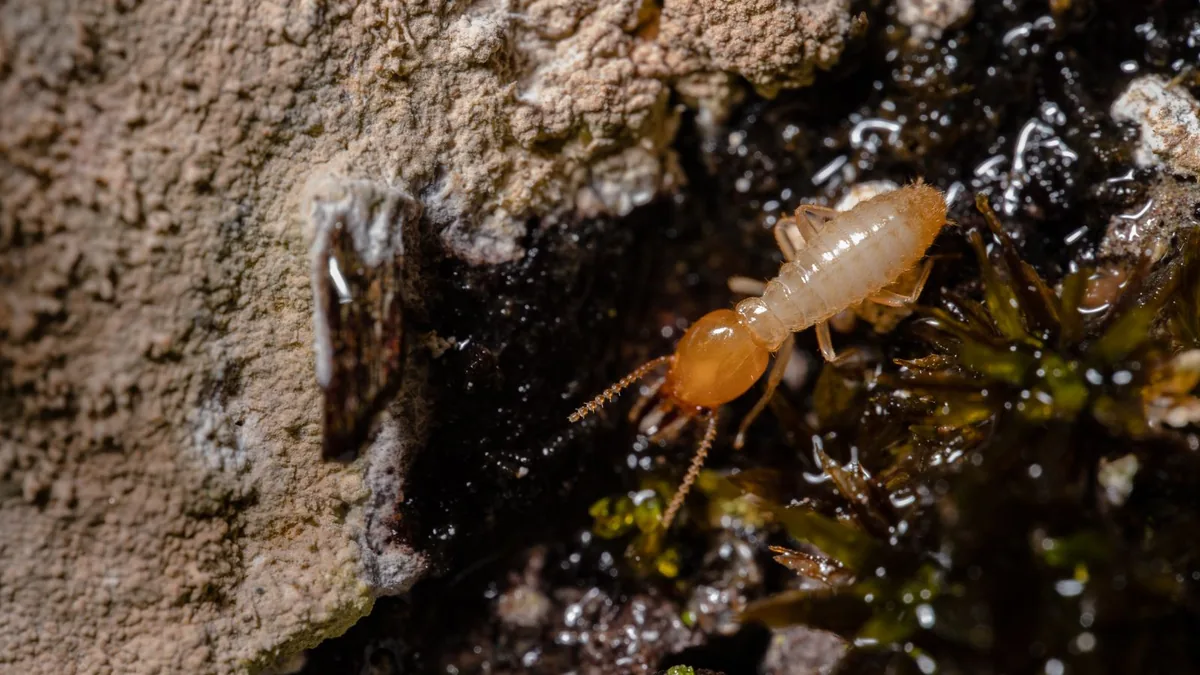
Ask why the proposed method fits the identified pest and observed activity. EPA’s termite guidance is useful background when termites are actually the concern, but it does not diagnose your house. Ask the provider to explain the method, covered areas, follow-up and limitations. Avoid approving a termite-specific project simply because an unidentified insect was found near wood.
Review products and occupant instructions
Tell the business about pets, children and any practical access constraints. Request applicable preparation and post-service information in writing. Do not add household products to supplement a professional plan without asking about compatibility. The goal is a coordinated service with understandable instructions, not a mixture of methods selected independently from advertisements and forum comments.
Compare warranties and damage promises
Ask whether the agreement offers retreatment, repair coverage or something else. These are not interchangeable. Read exclusions, renewal costs and reporting requirements. A promise to return if a covered pest recurs does not necessarily pay for building damage. Get the actual terms before using a warranty as the main reason to choose one provider.
Keep purchase questions with purchase advisers
If the findings raise concerns about disclosure or the earlier inspection, seek advice using the actual documents and evidence. Do not let an online article determine liability or a claim deadline. A pest contractor can document observations without resolving a transaction dispute. Avoid posting accusations about named people or businesses before the facts and scope are understood.
Prioritize work without losing uncertainty
Ask which actions are time-sensitive and which can wait for another opinion. For a large repair proposal, compare evidence and scope before committing. The appropriate sequence should reflect the actual findings and any safety concern. Avoid both an automatic emergency purchase and indefinite delay based only on reassuring comments from someone who has not inspected the property.
Keep a reusable house record
Save identification findings, inspected areas, inaccessible locations, treatment information and follow-up dates. Add repair photographs if other work proceeds. The record helps future providers distinguish new evidence from a previously addressed issue. If you later sell or refinance, ask appropriate advisers which documents are relevant rather than assuming a treatment invoice alone answers every property question.
Frequently asked questions
1. Does a dead insect prove active infestation?
Not on its own. Ask a professional to identify it and evaluate the surrounding evidence. Keep the finding factual and avoid assuming that one observation establishes the extent, age or source of activity throughout the property.
2. Was the earlier inspector wrong?
That cannot be determined from a new sighting alone. Compare the inspection agreements, accessible areas, dates and evidence. A current pest assessment can describe conditions without deciding liability or interpreting what another service promised to inspect.
3. Should I buy a termite treatment immediately?
First establish whether termites are actually the identified concern and what evidence supports the recommendation. Ask about scope, method and follow-up. An unidentified insect near wood is not enough to choose a termite-specific project confidently.
4. Does pest treatment fix damaged wood?
Treatment and physical repair are separate questions. Ask an appropriate building professional to assess damaged components when needed. A successful pest-control plan does not automatically restore strength, finishes or other functions of affected materials.
6. What does a retreatment warranty mean?
Read the terms. It may cover another treatment for a defined pest and period without covering structural damage or unrelated activity. Confirm renewal, reporting and exclusion details rather than interpreting a marketing promise as comprehensive protection.
7. Should I contact the seller myself?
If the findings raise transaction questions, discuss the evidence and documents with an appropriate adviser. This article does not determine responsibility or the best communication strategy. Keep current inspection facts separate from assumptions about earlier knowledge.
8. Is a second opinion worth considering?
For substantial or unclear work, another qualified assessment can help compare findings and methods. Give the provider the same factual records. A second quote is most useful when it addresses the same scope and explains any disagreement.
9. What should I tell the pest provider?
Provide dates, locations, photographs where safe, earlier reports and previous product use. Mention access limitations and household needs. Accurate information helps the assessment without requiring you to identify the species or diagnose concealed conditions yourself.
10. What happens after the first treatment?
Follow the written monitoring and reporting plan. Save any new observations with dates and ask how they affect the assessment. Completion should include understandable next steps rather than leaving the homeowner to guess whether another visit is necessary.
Sources and related reading
- Indianapolis new-owner pest discussion.
- EPA termite information.
- Provider-hiring coverage comparator.
- Find category contacts and confirm the exact service directly.