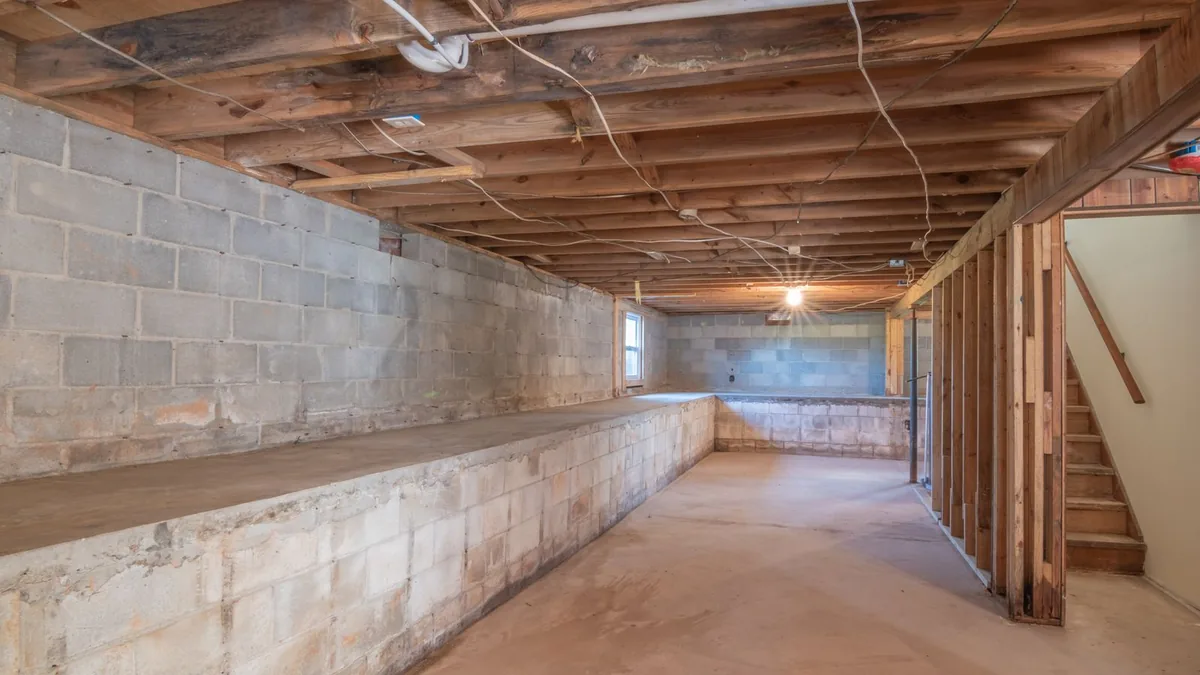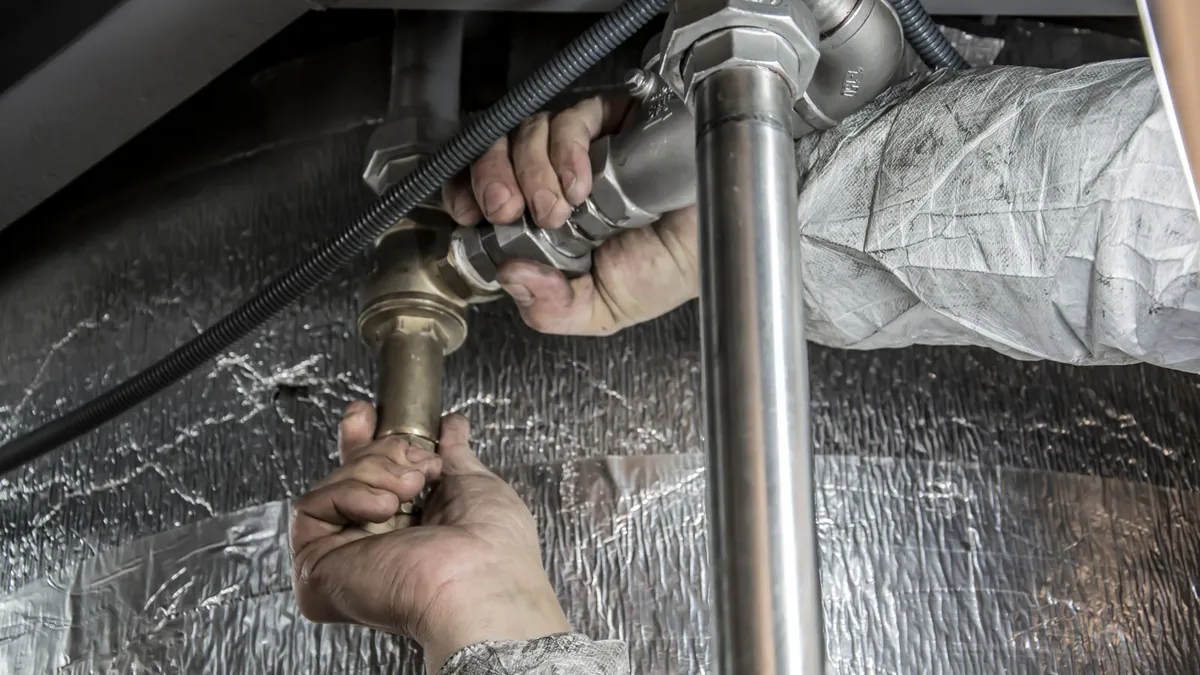
Water coming out of a basement floor drain needs a different response from a damp wall or an overflowing sump pit. The visible opening tells you where water is appearing, but it does not establish where the problem begins. A restricted private drain, an issue farther along the sewer connection and other conditions can produce similar symptoms. Start with safety, then arrange an assessment that identifies the affected part of the system before authorizing a permanent repair.
For an Indianapolis property served by Citizens Energy Group, the utility publishes a sewer-backup reporting process. Its guidance separates a check of the public sewer from repairs to private plumbing. This distinction is useful when deciding who to contact; it does not mean the utility will repair every basement drainage problem. Confirm your actual wastewater provider and follow its current instructions.
Keep people away from potentially contaminated water
Treat an unexplained drain backup as potentially contaminated. Keep children and pets away. Do not step into standing water to reach electrical equipment, and do not use appliances or cords exposed to flooding. If there is an immediate threat to personal safety, seek emergency assistance. Cleaning and repair can wait until the area is safe to enter.
Contact the wastewater provider when a sewer backup is suspected
Citizens lists 317-924-3311 for reporting sewer backups and overflows. Check its current sewer backup guidance for the latest process. Describe the location and whether water is actively entering. Ask what information the utility needs and what part of the system it will assess. A report is not a promise of coverage, reimbursement or a particular arrival time.
Describe the opening where water appears
A floor drain, a sump basin and a plumbing cleanout serve different purposes. You do not need to identify every pipe correctly, but a photograph taken from a safe, dry position can help a professional understand your description. Avoid removing covers, opening pressurized components or disturbing a backup to make a better photograph. Ask the attending professional to label the affected opening in the report.
Record the timing before drawing conclusions
Write down when the problem started, whether it was raining, and what household fixtures were operating. A backup associated with laundry provides a different observation from water rising while no fixtures are in use. Timing helps guide investigation; it does not prove a specific cause. Keep a short factual log rather than assuming that any rain-related event must be a public sewer failure.
Tell the contractor which other fixtures are affected
Mention gurgling, slow drains and water appearing at other low fixtures. State whether the problem affects one opening or several. Do not repeatedly run water to reproduce a backup once it is apparent that drainage is impaired. Ask whether the visit will evaluate a local branch, the main building drain or the private sewer connection, and request an explanation of those boundaries.
Separate temporary flow restoration from diagnosis
A drain-cleaning appointment may restore flow without proving the pipe is structurally sound. Conversely, a camera inspection documents visible conditions but is not itself a repair. Ask what the first visit includes, what result would justify another step and whether you receive written findings. This helps prevent paying for several vaguely described visits without understanding what each one establishes.
Ask whether a camera inspection would change the decision
A camera may help investigate repeated blockages or clarify a proposed pipe repair, depending on access and visibility. Ask what length can be inspected and whether existing debris or standing water could limit the view. If cleaning is needed first, obtain the additional scope and price before work proceeds. Request the recording and a location-specific explanation rather than accepting a verbal statement that the pipe is simply “bad.”
Confirm access and authorization before the visit
Tell the provider about finished basement areas, restricted access, tenants, pets and any known cleanout locations. Ask whether access preparation, fixture removal or restoration is included. If you rent or manage the property, establish who can authorize work and how the owner will receive the findings. A contractor should not have to guess whether a person answering the door can approve a large repair.
Compare a repair recommendation with the evidence
If excavation, lining or replacement is proposed, ask which observed defect the work addresses. Request the location, affected length, access plan and exclusions in writing. Ask whether further assessment is needed before selecting a method. A major project deserves a proposal that connects the problem to the remedy; a temporary improvement after cleaning does not automatically settle that question either way.
Discuss prevention after the cause is understood
Prevention depends on the actual system. Ask a plumber whether a backwater valve is appropriate for the property and what maintenance and operational limitations it would introduce. Do not assume a valve is suitable for every layout or protects every fixture. Ask about prohibited sewer connections and any corrections relevant to your home, using current utility and local requirements rather than generic internet diagrams.
Keep cleanup separate from plumbing repair
Stopping the backup does not make affected materials clean or dry. Ask whether the plumbing company handles contaminated-water cleanup or whether a separate restoration provider is needed. Obtain separate scopes for removal, cleaning, drying and repair of finishes. Keep documentation for any insurance discussion, but do not assume a policy covers the event or that a contractor can determine coverage for you.
Request an itemized estimate and a clear stopping point
Ask about attendance charges, after-hours fees, cleaning, inspection, additional access and disposal. Specify that additional work requires your authorization. A useful first-stage agreement might authorize assessment and a defined cleaning attempt, with a call before further work. The appropriate limit depends on the property and circumstances; the key is agreeing on it before the invoice becomes a surprise.
Prepare a concise service request
Your message can say: “Water appeared at the basement floor drain at this time. These other fixtures are affected. The wastewater provider has or has not been contacted. Please explain your assessment scope, access needs, attendance charges and what report I receive.” Add photographs only when safe. Browse plumbing providers for contact details, then confirm that the business handles sewer or drain work rather than assuming every plumber provides the same service.
Frequently asked questions
1. Is water from a floor drain definitely sewage?
Appearance alone cannot establish the source or contamination level. Avoid contact and describe the event to the wastewater provider or plumber. A professional assessment should identify the likely route and the cleanup precautions. Clear-looking water is not a reason to disregard electrical or contamination hazards.
2. Should I call the utility or a plumber first?
For a suspected sewer backup, follow your wastewater provider's reporting instructions. Citizens publishes a reporting number and may check the public sewer. Private plumbing can still require a plumber. Confirm the provider for your address instead of assuming every Indianapolis-area property follows one process.
3. Can I keep using the washing machine?
Avoid adding wastewater to a system that is visibly backing up until you receive appropriate guidance. Tell the responding professional which appliances were operating when the problem began. Do not run another laundry cycle as an experiment while water is already emerging from a drain.
4. Does heavy rain prove the city sewer caused it?
No. The timing is an observation that can help an investigation, not a final diagnosis. Document rainfall and fixture use, then ask what evidence distinguishes a public sewer condition from a private restriction or another water-entry route. Avoid authorizing a permanent fix solely on that assumption.
5. Will drain cleaning permanently solve the problem?
It depends on the cause. Cleaning may remove an obstruction but cannot be assumed to correct a damaged pipe or an unsuitable connection. Ask what was removed, whether flow was restored and what findings support further work. Keep the report if the symptom returns.
6. Do I always need a sewer camera inspection?
Not necessarily. Ask what question the inspection would answer and whether access and visibility are adequate. Repeated problems or a proposed major repair may make documentation particularly useful. Agree on the recording, inspected length and limitations before paying for the additional service.
7. Can a sump pump fix a sewer backup?
A sump system and sanitary drainage address different functions. Installing a sump pump is not a general substitute for diagnosing a drain backup. Ask the professional to explain the affected system and the proposed remedy. Do not connect equipment to a sewer based on a generic online suggestion.
8. Should every home have a backwater valve?
Suitability depends on the property's drainage layout and applicable requirements. Ask a qualified plumber about protection boundaries, access, maintenance and how fixtures must be used when the valve operates. A proposal should explain limitations rather than describing a valve as universal flood protection.
9. Will insurance pay for cleanup and repairs?
Coverage depends on your actual policy, endorsements and circumstances. Contact the insurer with factual records and ask what documentation it requires. A directory article or plumbing estimate cannot establish coverage. Separate emergency mitigation, pipe repair and restoration charges so the work is understandable.
10. What should I keep after the job?
Keep the invoice, written findings, any camera recording, repair photographs and maintenance instructions. Record what was inspected and what remained inaccessible. These details help another professional investigate a recurrence and help you distinguish a repeated symptom from a new problem elsewhere in the system.
Sources and related reading
- Citizens Energy Group: sewer backups and reporting.
- Citizens Energy Group: sewer service connection information.
- EPA: flood cleanup safety.
- Related draft: Sewer camera inspections before buying a home.
This guide supports service selection and documentation. It does not diagnose a particular property, determine insurance coverage or replace site-specific professional advice.