Choosing sump-pump backup equipment starts with a failure scenario, not a product label. Do you need pumping while electrical service is unavailable, protection if the primary pump itself fails, or a warning when the water rises while nobody is home? Those are related needs, but one device may not address all three. A clear proposal explains what activates automatically, what depends on you being present and which shared components can still stop the system.
An Indianapolis discussion about pumps working through heavy rainfall included concerns about outages and backup arrangements. It illustrates why residents ask this question; it is not a measurement of your home's flood probability. Evaluate your own basin, equipment, incoming water and discharge route with an installer who can explain the limitations.
Separate backup pumping from backup electricity
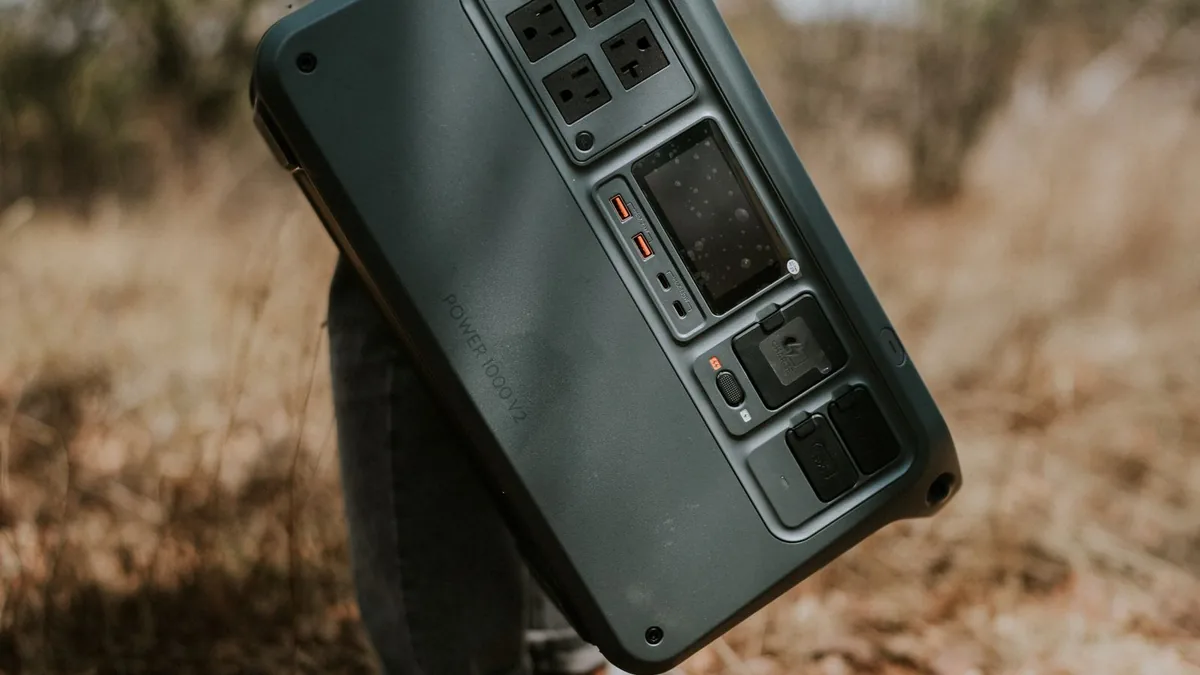
A secondary pump can provide another way to move water if the primary unit fails, subject to its capacity and installation. A power source can keep an existing pump operating when utility electricity is lost. They solve different parts of the problem. A generator powering a failed motor does not restore that motor, while a second electrically powered pump without an independent supply may stop during the same outage.
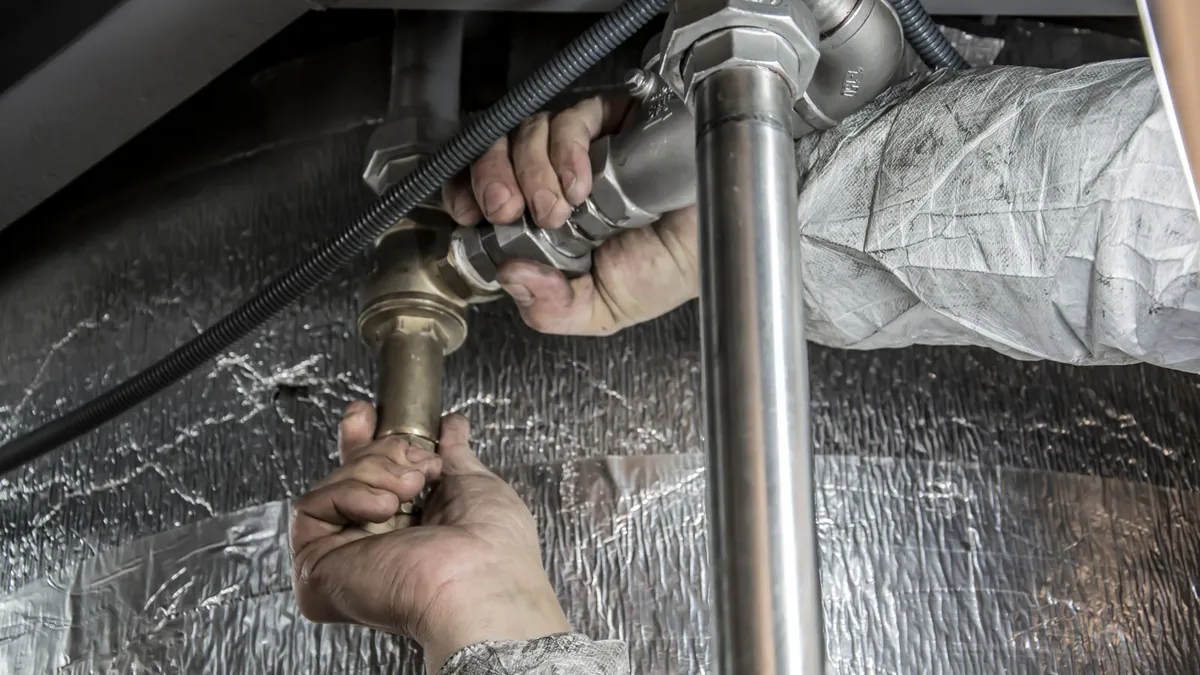
Ask the contractor to draw the proposed arrangement and identify what is shared: the pit, outlet, piping, controls or power supply. Shared parts are not automatically wrong, but they should be understood when evaluating redundancy.
Compare a battery-powered secondary pump
A battery backup commonly includes a secondary pump, battery and charging/control equipment. Confirm the exact package rather than assuming every product described as a battery backup contains the same components. Ask how the backup detects demand, whether it operates if the primary pump loses power and what alert it produces when activated.
Capacity at the actual installation
A headline flow figure is not enough. Ask for the manufacturer's performance information at the discharge conditions your installer expects. The secondary unit needs to be evaluated against the home's water-entry demands, not simply compared with the primary unit's motor label.
Battery condition and maintenance
Runtime depends on the equipment, battery condition and pumping demand. Avoid a universal promise of a fixed number of days. Request the battery requirements, replacement guidance and test procedure for that particular system. A charged indicator is useful, but it is not the same as a witnessed pumping test.
Understand water-powered backup limitations
A water-powered unit uses a suitable pressurized water supply rather than relying on the same electrical power as the primary pump. Ask whether your actual supply conditions meet the manufacturer's requirements and what pumping capacity is expected. Do not assume that having a municipal water account automatically establishes compatibility.
Installation must account for the water connection, required protective devices and permitted discharge arrangement. Obtain professional confirmation of applicable requirements. If your water supply depends on an electrically powered well pump, discuss the whole dependency chain; an outage may affect more than the sump equipment. Water use during operation also belongs in the running-cost discussion.
Distinguish portable and standby generators
Portable and automatically starting standby generators are different systems. A portable arrangement may require a person to set up and operate equipment safely. A correctly designed standby arrangement may support automatic operation, but its specifications and installation must establish that behavior. Do not treat every generator as automatic or every generator as manual.
Fuel-burning portable generators must never be used inside a house, garage, basement or other enclosed space. CPSC guidance calls for outdoor operation well away from openings and warns about deadly carbon monoxide. Electrical connection and wet-weather safety also require appropriate professional planning. This article does not provide generator wiring or transfer-switch installation instructions.
Examine the discharge route and basin space
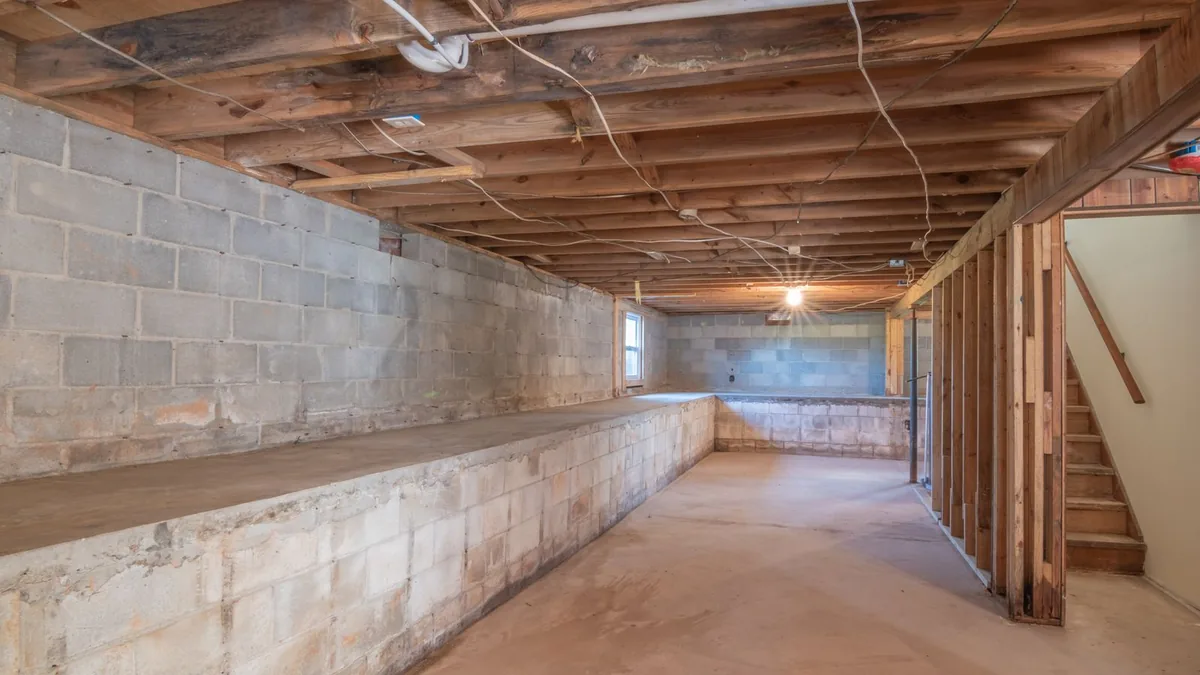
Two pumps may still rely on a restricted discharge route. Ask how the design deals with check valves, potential blockage and the physical space required for independent controls to move properly. A crowded installation can undermine the benefit of adding equipment.
Photographs can help a contractor prepare for a visit, but a picture does not replace an assessment of dimensions, piping and access. Request confirmation that the proposed system can be maintained and tested after installation, not only fitted into the pit on installation day.
Treat alarms as warnings, not pumping capacity
A high-water alarm or connected monitor can notify someone of a problem, depending on its power and communications arrangements. It cannot remove water merely by sending a message. Ask what happens if household internet service or electricity fails and who receives the notification when you are away.
Decide what action the alert is meant to trigger. A neighbor who has agreed to check a property, a reachable service provider and safe access instructions can be more useful than an alarm that nobody knows how to respond to. Do not rely on an untested notification pathway.
Compare the full installed scope
Request separate prices for assessment, primary-pump repairs, backup equipment, battery, charging controls, piping changes, electrical work and commissioning. Ask what is excluded and what would require another trade. An inexpensive equipment-only package should not be compared directly with an installed-and-tested system as though they were equivalent offers.
Ask the provider to state the model, manufacturer's instructions, warranty conditions and ongoing consumables. No current Indianapolis-wide price is established by this guide. Forum cost anecdotes and national averages cannot substitute for a written proposal for your installation.
Witness the handover and keep a maintenance record
Ask for a demonstration of the system's intended automatic sequence using a safe, manufacturer-approved test. The handover should explain alarms, normal indicators, maintenance responsibilities and what conditions require professional service. Agree on who will do work beyond the owner's permitted maintenance tasks.
Keep the model information, installation record, test date and maintenance schedule together. Review arrangements before a period when you will be away, rather than learning the controls during an outage. Browse plumbing business records, then confirm sump-pump backup experience and actual service coverage directly. The directory's category does not establish equipment expertise or emergency availability.
Frequently asked questions
1. Do I need a backup if the primary pump is new?
A new primary pump can still be affected by a power interruption or another system problem. Consider the consequences of losing pumping and the failure scenarios you want covered. Equipment age alone does not answer whether backup protection is appropriate for your home.
2. Is a battery backup the same as plugging the primary pump into a battery?
Not necessarily. Many systems use a separate secondary pump and dedicated control equipment. Other products provide backup electricity. Obtain an exact component list and an explanation of what happens if the primary motor fails, rather than relying on a broad marketing label.
3. How many hours will the battery run?
There is no reliable universal number. Battery condition, equipment demands and how often the pump runs affect the result. Request the manufacturer's assumptions and a capacity explanation for your installation. Continuous-pumping figures and intermittent-operation figures should not be compared as equivalent claims.
4. Can a water-powered backup work during an outage?
Potentially, if a suitable pressurized water supply remains available and the system is properly installed. Confirm those conditions for your property. A water supply that depends on electrical equipment may introduce a dependency that changes the answer.
5. Will a generator cover primary-pump mechanical failure?
Electricity alone does not repair failed pumping equipment. Ask which components your backup plan duplicates and which it continues to share. Generator capacity and independent pumping capacity are separate questions, even when they are discussed in the same proposal.
6. Can I operate a portable generator in an open garage?
No. CPSC warns against operating portable generators in garages and other enclosed spaces, even when openings provide ventilation. Obtain current official guidance and the equipment instructions. Generator placement, connection and operation should be planned before an emergency, not improvised near floodwater.
7. Does a smart alarm stop basement flooding?
An alarm provides information; it does not add pumping capacity. Its usefulness also depends on power, communications and a response plan. Test who receives alerts and discuss what happens when the internet connection or electrical service is unavailable.
8. Is a higher advertised flow rate always better?
No. The stated rate must be relevant to the actual discharge conditions, incoming demand and installation arrangement. Ask the installer to explain the selection using model-specific performance information and compatibility, rather than choosing solely by the biggest headline figure.
10. What should an installation handover include?
It should identify installed equipment, demonstrate the intended operating sequence, explain alerts and normal indicators, and provide maintenance and warranty information. Keep the written test record and service contact. Do not assume a system was fully tested simply because installation is complete.
Sources and related reading
- Indianapolis discussion about continuous pumping and backup concerns — community context, April 5, 2025.
- City of Ann Arbor: Sump Pump Backup Options — general backup-system concepts, not Indianapolis installation approval.
- CPSC: Generators and Engine-Driven Tools — generator safety guidance.
- Zoeller water-powered backup instructions — example of model-specific capacity and installation considerations.
- Related draft: A sump pump that keeps running.