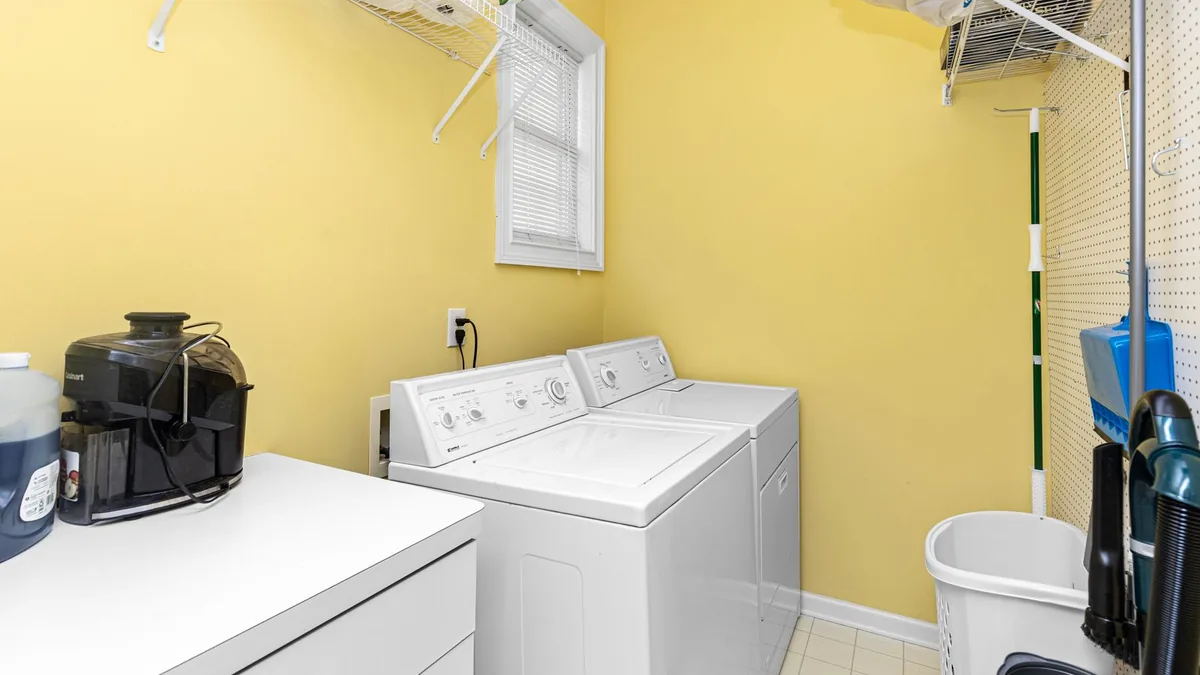
When clothes take longer than usual to dry, booking a dryer repair without discussing the exhaust route may leave an important question unanswered. The appliance and its venting are related parts of the situation, but providers do not all inspect or service both. Describe the symptom and ask who will assess the relevant system rather than assuming a generic cleaning or repair label covers everything.
Indianapolis appliance discussions include dryers stopping unexpectedly and owners seeking reliable assessment. The forum is useful question context, not technical authority. Do not copy suggestions to replace safety components or bypass controls from a commenter who has not inspected your machine.
Treat unusual operation as a reason to assess
Longer drying times or other changes deserve attention, and CPSC identifies restricted airflow as a dryer-fire concern. Do not assume the problem is merely inconvenient. If smoke, fire or another immediate hazard is present, seek emergency assistance. This article does not assess the severity of a particular appliance symptom or direct you through energized testing.
Identify the dryer configuration
Tell the provider the model, fuel or power arrangement and whether it is stacked or part of a combined unit. Explain unusual installation features and access restrictions. Ask whether the business works on that configuration. A provider offering general dryer services may have a narrower scope than you expect, especially when the installation or appliance type differs from a conventional accessible unit.
Describe the change in drying behavior
Record whether the issue affects every load, a particular cycle or a new operating pattern. Mention shutdowns, messages or other observations. Do not keep running repeated test loads simply to produce more evidence for a booking. A factual description helps the professional choose an assessment without requiring you to diagnose an internal component or an exhaust problem yourself.
Review only permitted routine care
Follow your model's instructions for ordinary owner maintenance, such as lint-filter care. Do not interpret a general article as permission to open the appliance, disconnect fuel connections or dismantle inaccessible ductwork. CPSC recommends appropriate lint and exhaust maintenance, but the safe procedure and service needs depend on the actual installation. Ask for qualified help where the task exceeds routine permitted care.
Distinguish the appliance from its exhaust path
Ask which parts the proposed visit covers. A technician assessing the dryer may not clean or repair the entire exhaust route, while a vent service may not diagnose internal appliance faults. Request a clear boundary. The purpose is not to purchase every service automatically, but to ensure the response can address the questions raised by the actual findings.
Explain where the vent terminates
If you know the outlet location, describe it without climbing or entering a hazardous area to check. Tell the provider about long, concealed or difficult access routes. Ask how it handles locations requiring additional equipment or another specialist. A quote based on a straightforward accessible vent should not silently stand in for a complicated installation the business has not assessed.
Ask how findings will be documented
Request an explanation of what was inspected and what remained inaccessible. If a blockage, damage or other concern is reported, ask where it was observed and what work addresses it. Before-and-after evidence can help when offered, but it needs context. A reassuring statement should not imply that unseen sections or untested appliance functions were fully assessed.
Compare cleaning, correction and repair
Cleaning an exhaust path, correcting an unsuitable arrangement and repairing the dryer are different assignments. Ask which is proposed and why. Do not assume a cleaning visit can correct every installation concern or that replacing an internal part resolves an external restriction. Keep the recommendation tied to observed conditions rather than treating one service as a universal cure for slow drying.
Check recalls and service documents
Use the actual model details when consulting manufacturer and CPSC recall information. A similar-looking appliance is not enough to determine whether a notice applies. Locate warranty documents and ask about authorized service if you expect coverage. This guide does not establish a recall remedy, warranty entitlement or approval for a particular independent provider to perform paid work.
Understand the complete visit price
Ask about attendance, assessment, cleaning, access equipment, parts and additional visits as applicable. Confirm what would trigger a revised quote. A promotion for a short accessible exhaust route may not describe your job. Obtain a defined scope before comparing offers, and do not use a national online price or an old forum anecdote as a current Indianapolis quote.
Request a completion and maintenance explanation
Ask what checks support the conclusion that the agreed work is complete and what further assessment remains recommended. Obtain model-appropriate instructions for ongoing care. Do not assume a single successful load guarantees every possible concern has been eliminated. If operation remains unusual, contact the provider with the specific symptom instead of continuing indefinitely because a service invoice was issued.
Book the right combination of capabilities
Start with appliance and equipment repair contacts and ask directly about dryer diagnosis and exhaust-related work. If a separate provider is needed, coordinate the findings so the next visit has useful information. No directory category proves every capability or an independent safety endorsement. Choose a service that explains its scope and limits clearly.
Frequently asked questions
1. Does slow drying always mean the dryer needs a new part?
No. Ask for an appropriate assessment of the appliance and relevant exhaust conditions. A symptom does not establish which component or service is needed without examining the actual installation.
2. Is vent cleaning the same as dryer repair?
No. Ask what the provider inspects and services. A vent-focused visit may not assess internal appliance faults, while a repair visit may not include the complete exhaust route or its correction.
3. Can I copy a forum safety-component repair?
Do not rely on a comment as a diagnosis or safe procedure. Use qualified service and the manufacturer's applicable instructions. This guide does not direct bypassing controls or replacing internal safety components.
4. What should I tell the company when booking?
Provide the model, configuration, symptom, access conditions and known vent location. Explain unusual shutdowns or messages without repeatedly operating the appliance to reproduce them solely for a recording.
5. Should I climb to inspect a roof outlet?
Do not enter a hazardous position to answer a booking question. Describe what you safely know and ask the provider how it evaluates and accesses the actual termination point.
6. Does cleaning correct every vent problem?
No assumption should be made. Ask whether findings indicate cleaning, repair, a different correction or further assessment. These are different scopes and should be explained rather than bundled under an unclear label.
7. How can I check whether a recall applies?
Use the exact model and relevant identification information with the manufacturer and CPSC. Do not infer applicability from appearance alone, and follow the actual notice if your unit is identified.
8. What should a quote specify?
Ask about the inspected area, access, proposed work, exclusions and additional charges. Compare matched scopes rather than assuming every advertisement includes the same exhaust length or appliance assessment.
9. Does one normal load prove the issue is resolved?
Not necessarily. Ask what completion checks were performed and what limitations remain. Report continuing unusual behavior to the provider and obtain appropriate guidance rather than relying on an isolated improvement.
10. What records should I keep?
Retain findings, inaccessible-area notes, completed work, invoice and maintenance instructions. These help a later provider understand whether the appliance, exhaust route or both were actually assessed during the visit.
Sources and related reading
- Indianapolis appliance repair discussion including a dryer symptom: question context only; unsafe or unverified DIY advice is not adopted.
- CPSC: overheated clothes dryers safety alert.
- CPSC: recall search.