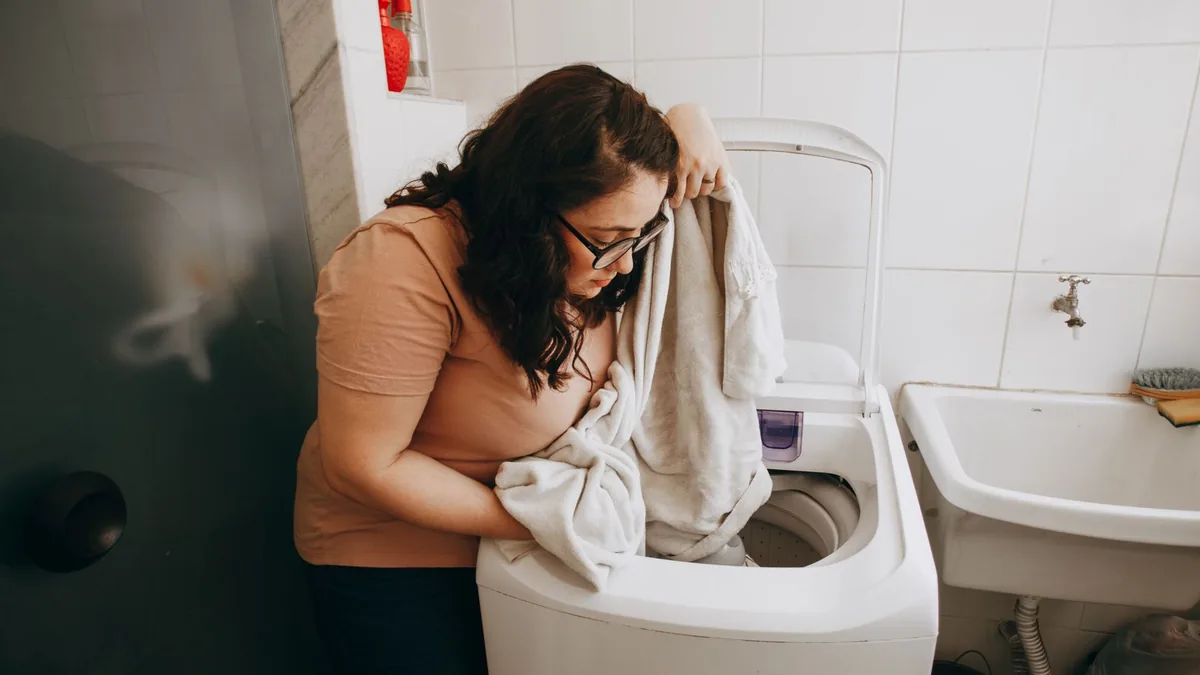
Water near a washing machine does not automatically establish that the machine itself is the only problem. The appliance, its connections and the surrounding drainage arrangement are different parts of the situation. Start with safety and a factual description, then ask a provider which parts it can assess and when a plumber or another specialist may be needed.
Indianapolis appliance-service discussions include owners seeking help with washers and other laundry equipment. This guide develops a service-selection checklist from that broader concern. It does not claim a forum report diagnoses your leak, establish a universal local cause or prescribe a repair without seeing the installation.
Keep people away from electrical hazards
Do not stand in water to touch plugs, outlets or electrical equipment. If there is an immediate hazard, seek appropriate emergency assistance. Follow relevant manufacturer safety guidance and ask for professional help when safe access is uncertain. A booking photograph is not worth entering a wet electrical area, and this article does not direct you through live troubleshooting.
Avoid running another cycle to prove the leak
Once a leak is apparent, do not repeatedly operate the machine just to collect evidence. Describe when water appeared and what you observed. If a technician needs a controlled test, it should be part of an appropriate professional assessment. Reproducing the symptom without understanding the conditions can add water or exposure without resolving the cause.
Identify the model and configuration
Provide brand and model information where safely accessible. Tell the business whether the washer is stacked, built in or difficult to reach. Ask whether it services that model and installation. A company handling some laundry appliances may not offer every specialized task, so capability should be confirmed before the appointment rather than inferred from a general directory listing.
Record timing and visible location
Explain whether the water appeared during filling, operation, draining or at an unknown time. Describe where it was visible without assuming that location proves the source. Water can be noticed in one place without the owner seeing its path. A short factual account helps the professional plan the visit while keeping diagnosis tied to the actual assessment.
Distinguish appliance assessment from plumbing work
Ask whether the provider assesses the machine, accessible connections, surrounding drainage or only a defined portion. A repair technician and a plumber can have different scopes. The aim is to avoid an appointment that cannot answer the relevant question, not to book both automatically. Ask what findings would justify involving another professional and what information would be passed along.
Explain the surrounding space
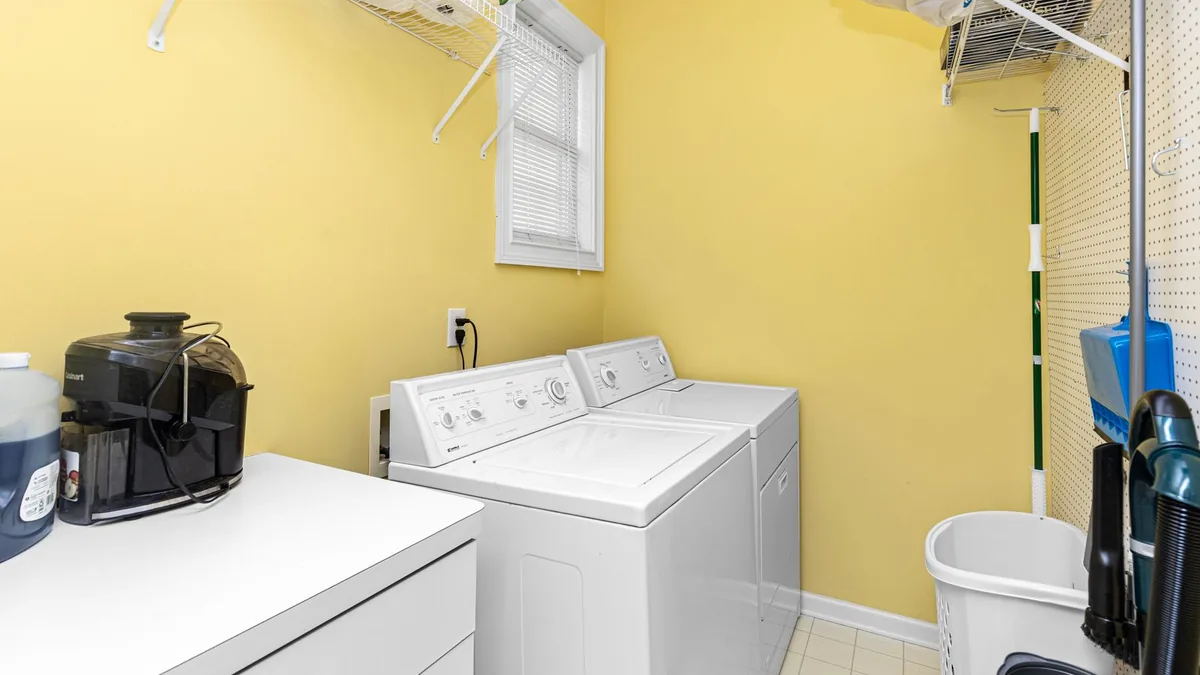
Describe cabinetry, floor access, nearby equipment and restrictions on moving the unit. If the washer is upstairs or in a shared building, tell the provider. Do not attempt difficult movement or disassembly yourself to make access easier. Ask what preparation is appropriate and which access questions should be assessed by the professional attending the actual site.
Gather relevant history
Mention recent installation, relocation, previous repairs or changes in operation. Keep those events as context rather than assuming timing proves cause. Find earlier invoices and installation documents if available. If the machine is rented or belongs to a landlord, identify the authorized decision-maker before approving repairs so responsibility for arranging work is clear.
Ask about the diagnostic deliverable
Confirm the attendance charge, inspected scope and whether you receive written findings. Ask what happens if the source is not established during the initial visit. A useful report can distinguish observed issues, completed checks and remaining uncertainty. Do not treat a vague statement that “it is probably a hose” as equivalent to a defined repair proposal supported by assessment.
Compare the actual repair scope
Ask what the proposed work addresses, which parts or connections are included and whether another condition remains unresolved. Request labor, parts and relevant warranty terms. A component price found online is not a complete service quote. If additional assessment changes the plan, agree on an authorization process before the provider proceeds with more work or expense.
Consider cleanup separately
Stopping water entry does not automatically dry affected flooring, cabinets or concealed materials. Ask whether the service includes cleanup or whether another provider is needed. Document what is visible when safe and seek appropriate advice for affected materials. This article does not determine insurance coverage or the extent of concealed damage, and a repair invoice cannot establish either conclusion.
Request completion checks and instructions
Ask how the provider checks the agreed repair and what observations would require follow-up. Obtain model-appropriate maintenance information rather than adopting a generic internet routine. If the original symptom persists, contact the business with the timing and findings. Keep a record of what was actually assessed so another visit does not begin from an assumption that every nearby system was already ruled out.
Choose a provider with a clear boundary
Browse appliance repair contacts and, where relevant, plumbing contacts. Describe the same facts to each and confirm which appointment fits. Category membership does not verify every capability. A provider that explains what it can inspect and when it would refer another professional gives you a more useful plan than an unsupported promise to fix anything.
Frequently asked questions
1. Does water beside the washer prove the machine is leaking?
No. Describe what you observed and request an appropriate assessment. The visible location does not by itself establish the source or exclude connections, drainage or another nearby water-entry route.
2. Should I run another cycle for a video?
Do not repeatedly operate a leaking appliance simply to reproduce the symptom. Give the provider your existing observations and let any needed controlled test be considered within an appropriate professional assessment.
3. Can I touch the plug while standing in water?
Do not enter wet electrical conditions to reach equipment. Seek appropriate assistance if safe access is uncertain or danger is present. This guide cannot assess your installation remotely or direct energized troubleshooting.
4. Should I call an appliance technician or plumber?
Explain the observations and ask what each provider assesses. The correct appointment depends on the actual issue and service scope. Do not assume every appliance visit includes surrounding plumbing or every plumbing visit diagnoses the machine.
5. What information helps before the visit?
Provide model details, timing, visible water location, access restrictions and relevant recent work. Keep the description factual rather than naming a failed component based only on a forum discussion or symptom list.
6. Should I move a stacked washer myself?
Ask the provider about access preparation. Do not attempt difficult movement or disassembly to expose parts. Explain the installation so qualified people can plan a suitable approach to the actual equipment.
7. Does a repair include drying the floor?
Only if that service is agreed. Appliance work and drying affected materials are different tasks. Ask what cleanup is included and whether further assessment is appropriate rather than assuming the invoice covers all consequences.
8. Will insurance cover any resulting damage?
Check the actual policy and provider process. This article and a service invoice cannot determine coverage or the extent of concealed damage. Keep factual records and ask the responsible organization what documentation it requires.
9. What should the repair estimate explain?
Ask for the identified condition, proposed parts and work, exclusions and remaining uncertainty. Agree on approval for changed scope so additional costs do not rely on an assumption that all work was authorized.
10. What if water returns after service?
Report the timing and observations to the provider and refer to the earlier findings. Ask what follow-up assessment is needed, keeping clear which appliance or surrounding areas were actually checked previously.
Sources and related reading
- Indianapolis residents discussing washer and appliance service: broad local appointment context, not a washer-leak diagnosis.
- Whirlpool: appliance service and model resources: manufacturer example; consult your actual model guidance.
- EPA: floodwater electrical safety boundary.