A refrigerator that is no longer keeping food cold needs two separate plans: protecting food appropriately and finding out what has happened to the appliance. A repair appointment cannot determine retrospectively that every item inside remained safe. Use authoritative food-safety guidance for the first question, then give an appliance professional a clear account of the equipment and symptoms.
Indianapolis residents have discussed refrigerators failing unexpectedly and the choice between repair and replacement. Those accounts explain why quick service matters to households, but they do not identify your refrigerator's fault or establish that replacing it is always the best response.
Address food safety separately from repair
Consult FoodSafety.gov's current guidance when refrigeration has been lost or temperatures are uncertain. Do not taste food to decide whether it is safe. Follow the relevant item-specific guidance rather than assuming that food becomes safe again when the refrigerator cools. Record the timing and available temperature information, but do not rely on a repair invoice as a food-safety assessment.
Avoid electrical and water hazards
Do not reach into wet electrical areas, remove energized panels or attempt refrigerant work. If there is an immediate hazard, seek appropriate emergency assistance. Explain visible leakage, smoke or other concerning conditions to the provider without deliberately reproducing them. This guide is about arranging an assessment, not directing an owner through hazardous appliance testing or internal repair.
Identify the exact refrigerator
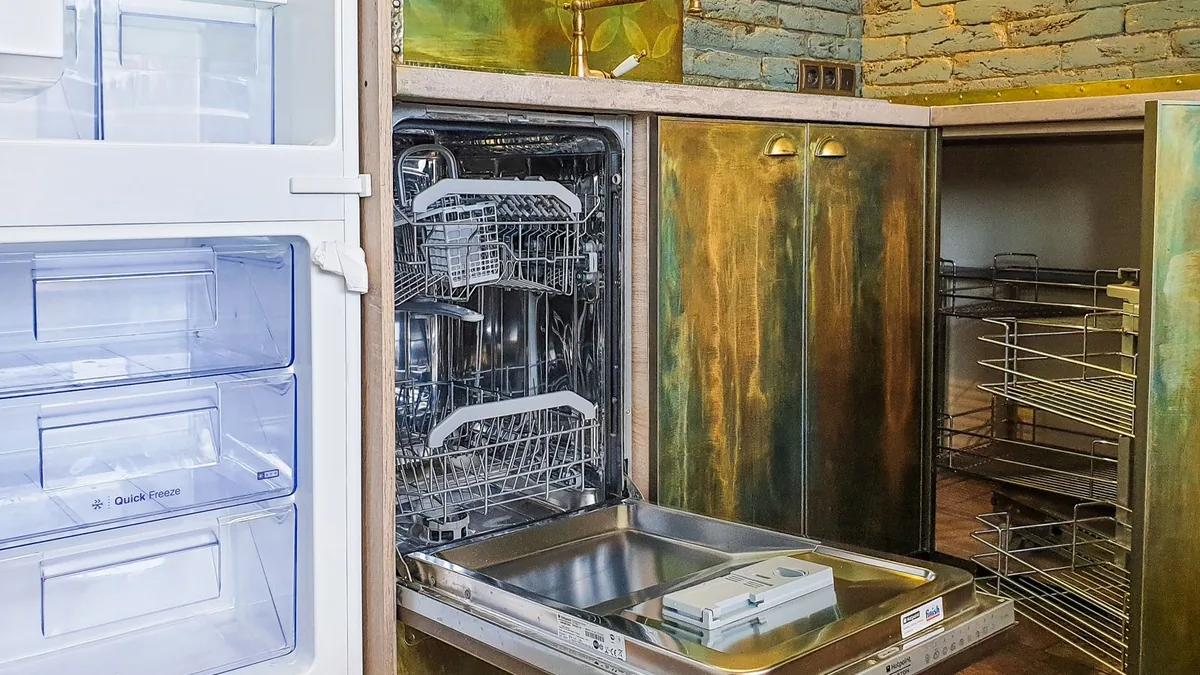
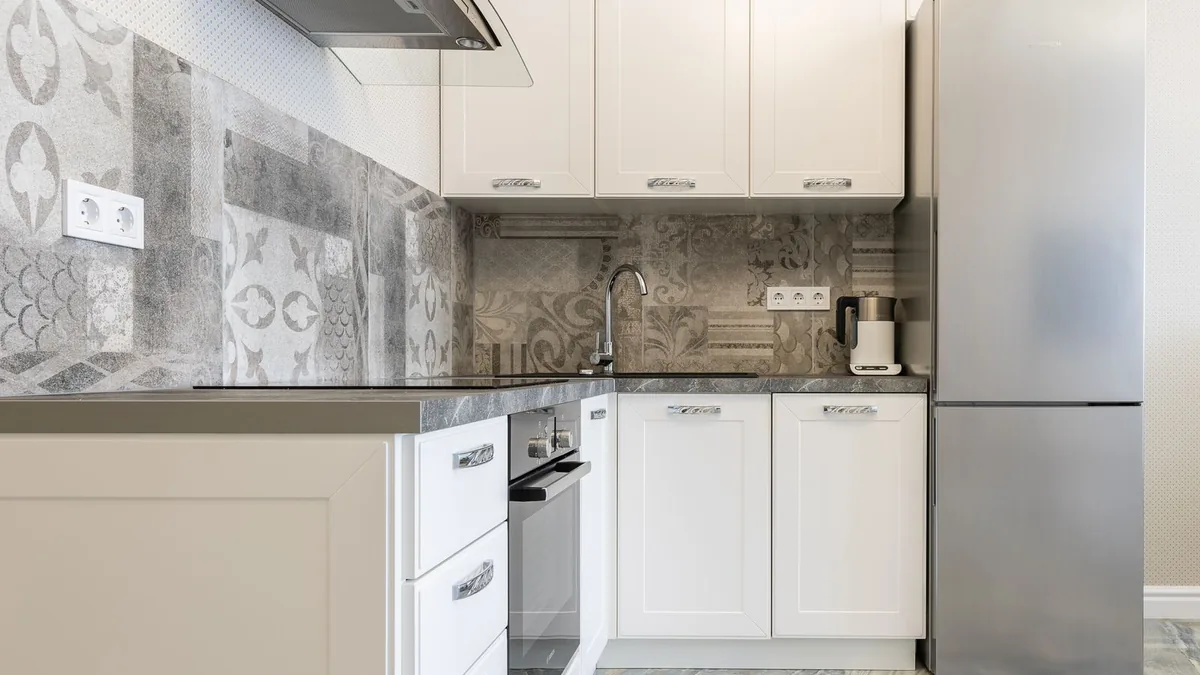
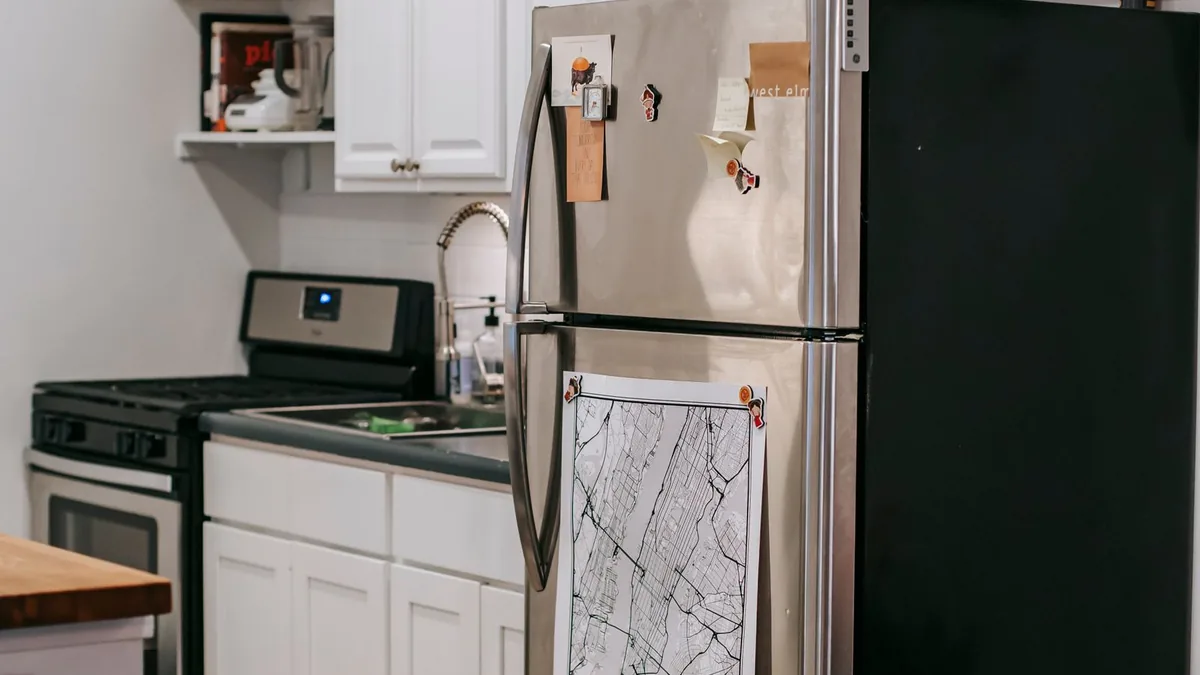
Provide the brand, model and serial information where safely accessible. Tell the company whether it is built in, freestanding or otherwise difficult to access. Ask whether it services that model and the relevant type of refrigeration system. A broad appliance-repair listing does not establish that every technician handles every configuration or can obtain parts for the particular unit.
Describe what is and is not cooling
Explain whether the concern affects the refrigerator compartment, freezer or another feature. Mention any display message and when the change began. Keep the observations separate from an assumed component failure. A clear account helps the provider plan the appointment, while a declaration that “the compressor is bad” may simply repeat an unverified internet guess.
Note recent events and service history
Tell the provider about recent power interruptions, changes in operation, prior repairs or moves if relevant. Do not assume timing proves the cause. Gather earlier invoices and the manual so the technician can understand what has already been done. If another business attended, request its findings rather than relying on a memory that it “checked everything.”
Ask what the diagnostic appointment includes
Confirm the attendance charge, assessment scope and what information you receive afterward. Ask whether additional testing or parts require approval. A useful visit should explain observed findings and remaining uncertainty, not merely produce an unsupported replacement recommendation. Find out whether the initial charge is separate from any later repair and what a second visit would involve.
Check warranty and recall information
Locate purchase and warranty documents and consult the responsible manufacturer or provider about service authorization. Check relevant recall information using the actual model details. Do not assume any local technician can approve another company's coverage or that a generic product description proves your unit is affected. Confirm the appropriate process before authorizing work you expect someone else to pay for.
Explain access before scheduling
Describe stairs, narrow spaces, cabinetry and anything preventing the technician from reaching the appliance. Ask what preparation is expected and whether the unit must remain in place. Do not try to pull a heavy built-in appliance out yourself merely to make the visit easier. Access limitations should be evaluated by the people qualified to perform the actual work.
Request a defined repair proposal
If a fault is identified, ask for the proposed work, parts availability, labor and warranty. Find out what the repair is expected to resolve and whether another concern remains. Compare that scope with a second opinion when useful. Avoid assuming a national average price or an anecdote from another household is a current local offer for your model and fault.
Compare replacement as a complete project
If replacement is considered, include delivery, installation, access, connections and removal in the comparison. A product price alone does not describe a working refrigerator in your kitchen. Consider the existing unit's condition and the certainty of the diagnosis instead of applying an automatic age rule. Ask what information would change the professional's recommendation between repair and replacement.
Agree on completion checks and instructions
After service, ask what was checked and what operating observations the technician expects. Obtain appropriate instructions from the provider and manufacturer rather than assuming immediate normal performance without confirmation. Keep food-safety decisions separate. If the appliance still behaves abnormally, report the specific symptom and ask what follow-up is needed under the actual service terms.
Keep the record for future decisions
Save findings, invoice, installed parts and any unresolved recommendation. Browse appliance and equipment repair contacts, then confirm model capability and availability directly. A directory can help identify businesses, but it cannot guarantee same-day attendance, parts stock or a diagnosis. A clear service record makes the next conversation easier if the issue returns.
Frequently asked questions
1. Should I wait for the technician before deciding about food?
No. Use authoritative food-safety guidance based on the actual situation and available temperature information. A later appliance repair cannot prove that food stayed safe while cooling was impaired.
2. Can I taste food to see if it is safe?
Do not taste food to determine safety. Follow current FoodSafety.gov guidance and the relevant conditions for each item. Normal appearance or smell does not settle every food-safety question.
3. Does a warm compartment prove compressor failure?
No. Describe the symptom and let an appropriate assessment establish the cause. A webpage or another owner's experience cannot identify the failed component in your particular appliance.
4. What should I send when booking?
Provide model details, affected compartments, symptom timing, relevant messages and access conditions. Ask about diagnostic charges and deliverables so the company can confirm the appointment fits the appliance and concern.
5. Can every appliance company repair a built-in refrigerator?
Ask specifically about the model, configuration and access. Some work may require different experience or arrangements. A general appliance category does not confirm every specialized refrigeration capability.
6. Should I move the appliance out before the visit?
Ask the provider about preparation. Do not attempt difficult or unsafe movement just to expose parts. Explain cabinetry and access restrictions so the technician can plan the appropriate approach.
7. Will my warranty cover the visit?
Check the actual documents and responsible provider's authorization process. Do not assume any chosen technician can approve coverage or that a repair invoice automatically qualifies for reimbursement.
8. When should I compare replacement?
Compare after understanding the identified fault, repair scope, parts support and overall condition. Include the complete installed replacement project rather than comparing a repair invoice only with an advertised product price.
9. Does cooling again mean all food is safe?
No. Restored operation does not reverse an earlier unsafe exposure. Continue to use the appropriate food-safety guidance and do not treat the appliance's current temperature as proof about its entire history.
10. What if the problem returns after service?
Contact the provider with the symptom, timing and previous findings. Review the actual warranty and follow-up process. Retain the invoice and part information so the discussion relates to the work performed.
Sources and related reading
- Indianapolis discussion about an unexpected refrigerator failure: local decision context only.
- FoodSafety.gov: food safety during loss of refrigeration.
- Whirlpool: appliance repair and service resources: manufacturer example; use your own model manufacturer for applicable instructions.
- CPSC: recall search.