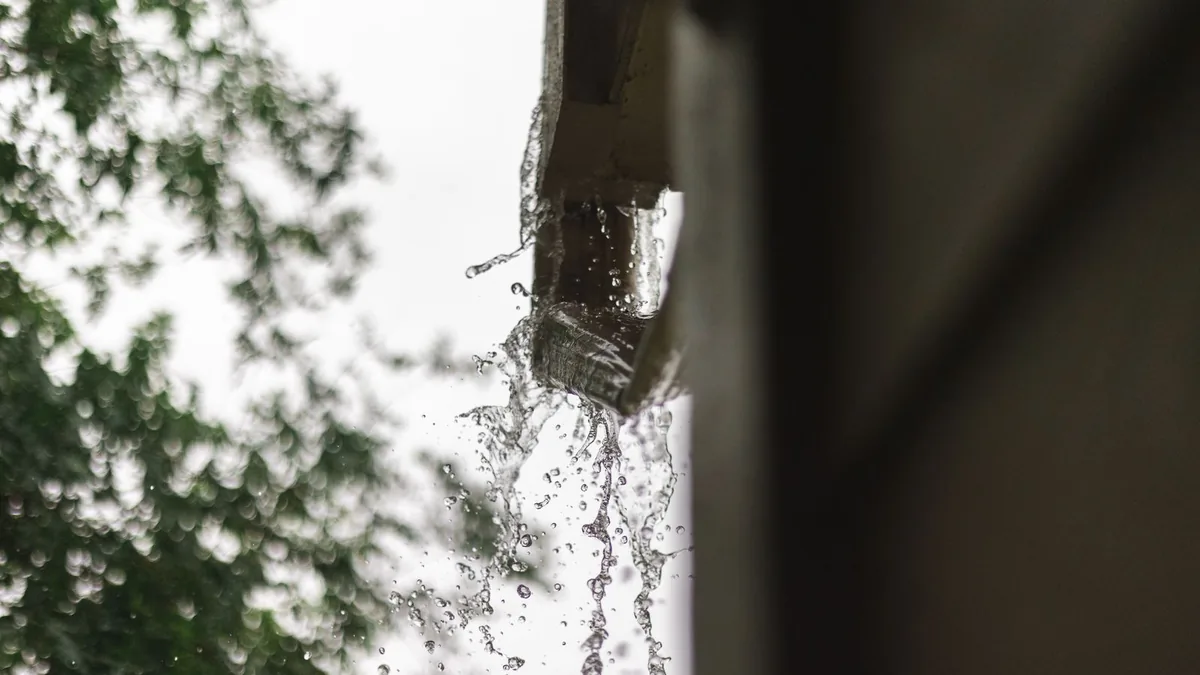
Overflowing gutters can prompt three very different offers: cleaning, a localized repair or replacement of the entire system. Before comparing prices, ask what condition the provider observed and which water route the proposed work is intended to improve. The right scope depends on the property rather than a universal rule that every overflow means a new gutter is needed.
Indianapolis residents discussing gutter installation ask about providers and practical scope. This guide turns that conversation into a service checklist. It focuses on safe observations, drainage boundaries and written estimates, without asking homeowners to climb ladders during rain or guaranteeing that gutter work will resolve every basement moisture problem.
Observe from a safe position
If you can see the problem safely from indoors or ground level, note where water appears and when it occurs. Do not climb a ladder in wet or windy conditions or reach toward overhead electrical lines. Photographs are helpful only when safe. A contractor should obtain elevated inspection evidence using appropriate equipment rather than relying on homeowner roof access.
Identify the specific overflow area
Describe whether water spills near a corner, along a long section or at the downspout connection. Note any visible sagging or separation from the ground without touching unstable parts. These observations help explain the complaint but do not establish the cause. Ask the provider to investigate that area rather than quoting replacement before understanding where the symptom occurs.
Distinguish cleaning from repair
Ask whether the first service removes accessible debris, checks operation or repairs components. A cleaning price may not include correction of joints, supports or outlet problems. Clarify what the provider reports if another issue becomes visible. This keeps a routine maintenance appointment from becoming an undefined repair job and allows you to authorize additional work deliberately.
Ask about the downspout route
Request an explanation of where the downspout discharges and what parts of that route are within the proposed service. An above-ground gutter and a concealed or underground drainage connection can require different assessment. Do not assume that replacing the visible gutter corrects an unknown downstream condition. Ask which sections were observed and which remain outside the inspection.
Discuss nearby roof and fascia conditions
If the contractor identifies related damage, request photographs and a separate description. Ask whether another trade is needed and how the work should be sequenced. Gutter attachment, roof-edge details and concealed conditions should not be bundled into a vague claim that the entire exterior is bad. A clear explanation helps you compare necessary work with optional improvements.
Understand a proposed adjustment
If pitch, supports or outlet placement are discussed, ask what finding justifies the change and what result is expected. This is a professional assessment question rather than a DIY instruction. Clarify whether the proposal reuses the existing gutter and what limitations remain. A small adjustment can still require a defined scope, access plan and follow-up process.
Compare replacement configurations
For a new system, request the material, dimensions, section layout, outlet locations and downspout arrangement. Ask how those choices were selected for the roof and property. Two replacement prices may reflect different layouts rather than equivalent products. A drawing or marked photograph can make the comparison easier to understand than a total length without any indication of discharge routes.
Evaluate gutter guards separately
If guards are offered, ask which debris conditions they address and what maintenance remains. Confirm compatibility with the proposed system and whether inspection or cleaning access changes. Do not assume a guard creates a maintenance-free roof edge. Compare its separate price and warranty terms so the decision does not obscure the underlying question about the current overflow.
Clarify property drainage limitations
Explain any basement water concerns but ask what gutter work can and cannot establish. Multiple water-entry routes may need separate assessment. A proposal should not guarantee a dry basement solely because a gutter is replaced unless it explains the specific commitment and evidence. Distinguish moving roof runoff from diagnosing every drainage or foundation concern at the property.
Review access and cleanup
Tell the provider about narrow side yards, fences, landscaping and occupied areas under the work. Ask how equipment is positioned, debris removed and access protected. Confirm whether removed materials are taken away. These details matter for both small repairs and replacement, especially when the household needs to use entrances or driveways while the installation is underway.
Request completion and follow-up terms
Ask how the completed work is checked and what records you receive. Clarify how to report continued overflow and which conditions are excluded. A brief explanation at handover should identify the completed areas and any remaining issues. Keep the invoice and photographs so a later service call can distinguish the original concern from another section of the drainage system.
Choose the next service by the unanswered question
If the cause is unknown, prioritize assessment rather than buying a product first. If a specific repair is supported, compare that work with any replacement alternative. Confirm that the provider serves your Indianapolis address and handles the relevant drainage components. A clear scope is more useful than choosing solely by a cleaning coupon or a claim of permanent protection.
Frequently asked questions
1. Does overflow always mean gutters are clogged?
No single symptom establishes the cause. Ask what was observed at the affected area and whether the downspout route was assessed. Cleaning may be appropriate, but it should not be assumed to address every possible condition.
2. Should I photograph the problem in heavy rain?
Only from a safe position. Do not climb ladders or approach electrical hazards for evidence. A description of the location and timing can still help the provider plan an assessment without unsafe homeowner access.
3. Will cleaning include repairs?
Ask specifically when booking. Cleaning, inspection and repair may be separate services. Clarify how newly discovered concerns are reported and obtain authorization terms for additional work before the appointment rather than after the invoice arrives.
4. Can replacement solve a buried drain problem?
Do not assume that work on visible gutters addresses a concealed discharge route. Ask what was inspected and what remains unknown. Another assessment may be needed before the provider can explain the appropriate downstream remedy.
5. Are gutter guards maintenance-free?
Ask the manufacturer and installer what inspection and maintenance remain. A guard should be evaluated for the debris conditions and system involved. Its name or marketing description does not establish that future cleaning will never be needed.
6. Should all downspouts discharge the same way?
Property conditions and applicable requirements differ. Ask the contractor to explain the planned route and confirm relevant local rules. Avoid copying a neighbor’s arrangement without assessing your own property boundaries and drainage situation.
7. Will new gutters guarantee a dry basement?
Gutter work does not diagnose every possible water-entry route. Ask what problem the proposal addresses and what limits apply. Keep foundation or basement concerns visible so additional assessment can be arranged where needed.
8. What should a replacement estimate show?
Request material, configuration, outlet and downspout locations, removal, access and cleanup. Identify retained components and exclusions. A useful comparison describes a completed arrangement rather than just a total price and a broad product name.
9. What if overflow continues after work?
Document the location and conditions safely and reference the completed scope. Ask how the provider’s follow-up terms apply. Continued symptoms may require distinguishing an incomplete original remedy from another part of the drainage route.
10. How do I compare providers?
Ask each business to address the same observed area and explain its proposed service. Confirm relevant capabilities and actual service coverage. Directory presence does not establish that a company handles concealed drainage or every roof-edge repair.
Sources and related reading
- Indianapolis gutter installation discussion — question context only
- Building America Solution Center: gutters and downspouts
- University of Minnesota Extension: basement moisture causes and solutions
- Find relevant providers and confirm the specific service directly.
Sources provide general context, not a diagnosis or endorsement. Community discussions, where linked, identify questions rather than verified property conditions. Manufacturer instructions and site-specific professional findings govern the work.