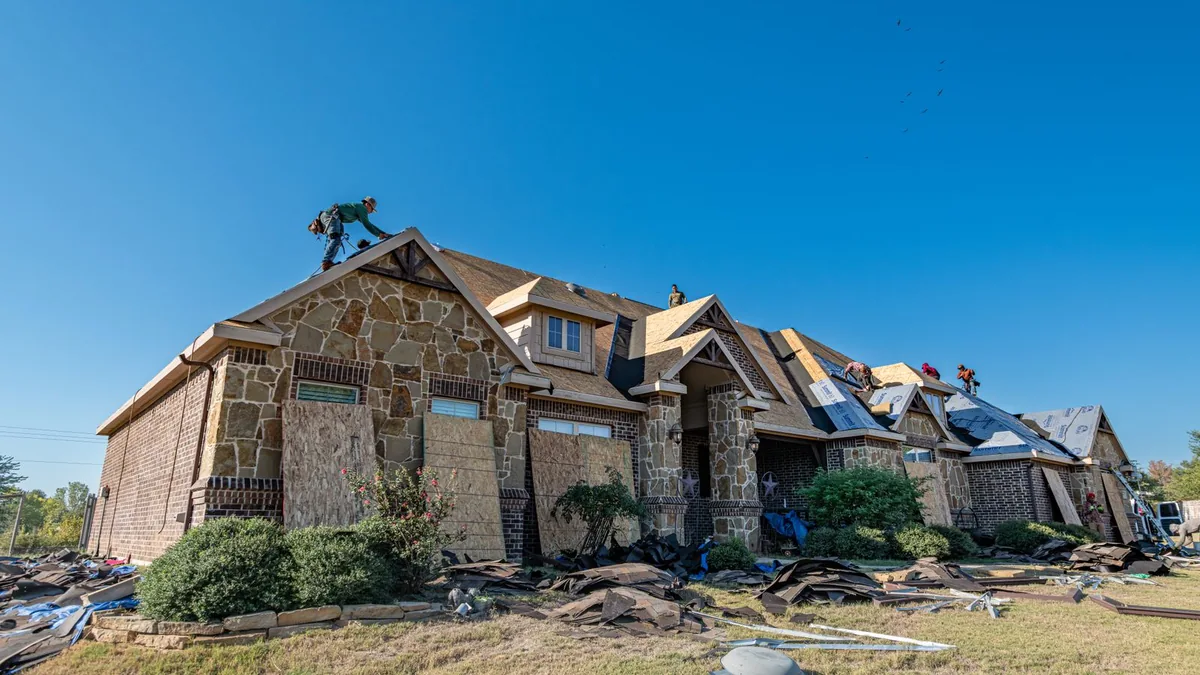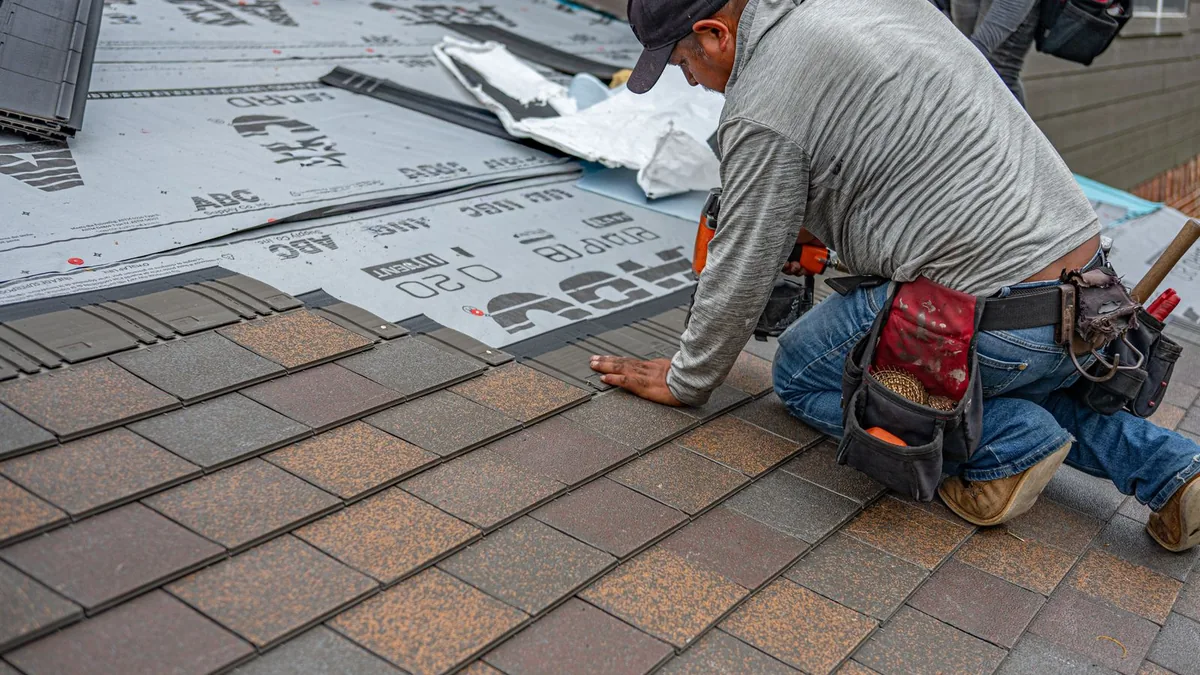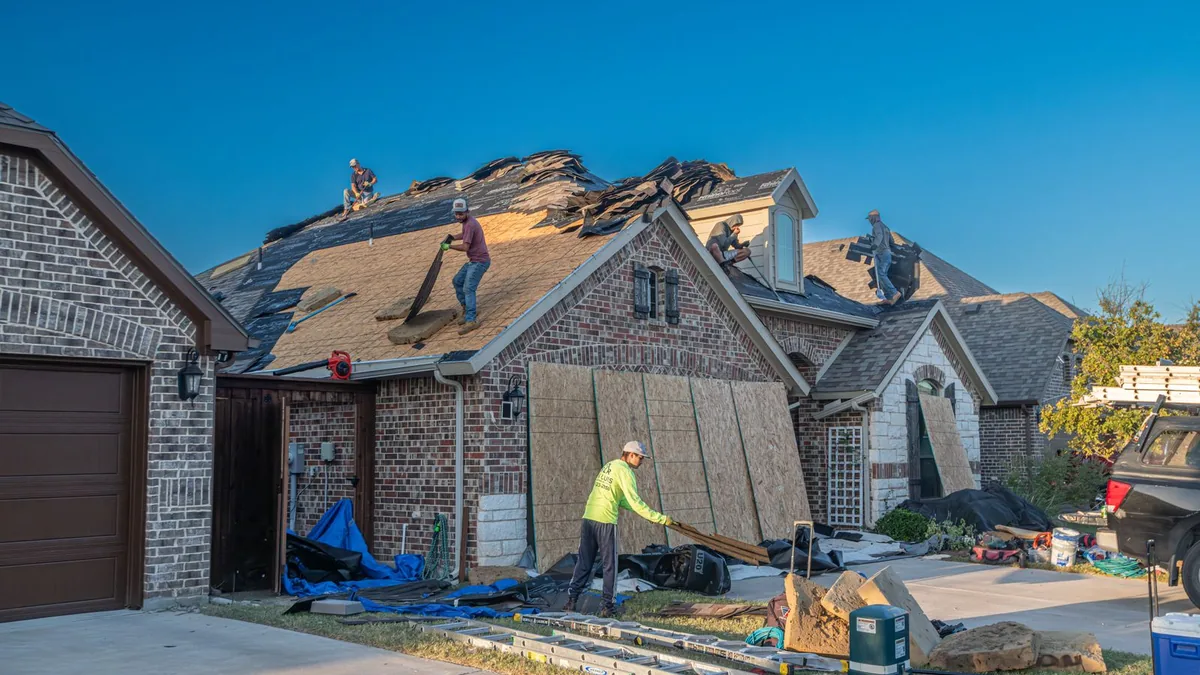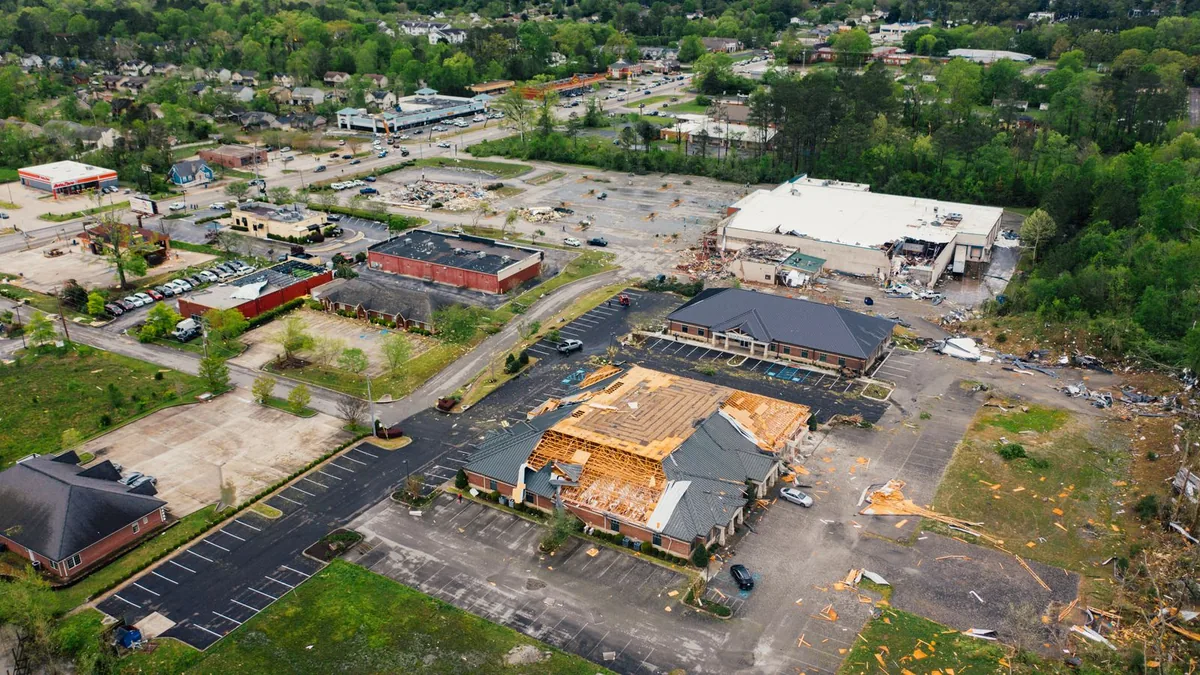
After a storm, it is easy to feel rushed by visible debris, a new ceiling mark or an unexpected offer for a roof inspection. Separate immediate safety, temporary protection, property assessment and any insurance discussion. Each has a different purpose, and a signed replacement contract should not be the automatic first response to uncertainty.
Indianapolis residents have asked about roof repairs after wind and rain. Their experiences show the value of having an organized process, not a citywide measure of storm damage. This guide helps you document your own situation, select an assessor and understand the work proposed without claiming that a storm necessarily damaged every roof nearby.
Address immediate hazards before documentation
Stay away from downed lines, unstable trees, damaged structures and wet electrical equipment. Seek emergency assistance when safety is at risk. Do not climb the roof to confirm a salesperson’s claim or retrieve debris. A safe household and an accurately described service request take priority over photographs, claim paperwork or a contractor’s suggested appointment schedule.
Make a factual observation record
From a safe position, note the event date, visible changes and areas where water appears. Photograph what you can observe without moving dangerous material or opening damaged assemblies. Keep descriptions neutral: a new stain and a visible missing piece are observations, while the cause and repair requirement need assessment. Save the originals with the date and location information.
Identify the property and contact authority
If you rent, manage a building or share responsibility through an association, establish who can authorize inspection and repair. Report the issue through the appropriate owner or manager process. Avoid signing a project agreement when responsibility is unclear. A contractor needs a reliable authorization contact, and the eventual work scope should identify the actual property and responsible party.
Arrange temporary protection deliberately
If a professional recommends temporary weather protection, ask for the purpose, covered area, cost and expected follow-up. Clarify that it is separate from permanent repair unless expressly included. Keep documentation of the work without assuming reimbursement. A temporary intervention can be useful while findings are developed, but it should not leave an undefined obligation for a later replacement project.
Choose your own assessment process
Consumer-protection guidance cautions against pressure from unsolicited roofing offers. Research the business independently and request written identification and scope. You can listen to a proposed inspection without treating it as proof that work is necessary. Do not let an unexpected doorstep conversation replace your own review of the provider, agreement and property-specific evidence.
Ask what the roof inspection includes
Confirm inspected areas, photographs, written findings and access limitations. A quick sales visit and a detailed condition assessment may provide different deliverables. Ask how storm-related observations are distinguished from other conditions without expecting the roofer to determine insurance coverage. The report should identify what was seen rather than making unsupported claims about all homes affected by the event.
Separate damage findings from repair proposals
Request an explanation linking each proposed repair to the observed condition. Ask which areas remain serviceable and why the proposed boundary was chosen. A storm assessment may support localized work or reveal questions requiring more investigation. Do not assume that a replacement proposal is automatically excessive or automatically justified simply because the storm was severe in another neighborhood.
Contact the insurer for policy questions
If you are considering a claim, follow your insurer’s current process and ask what records it needs. Keep policy interpretation separate from the contractor’s physical work recommendation. A promised approval from a salesperson is not a coverage determination. Record communications and ask your insurer or relevant adviser about deadlines or documents specific to your situation rather than relying on generic internet timelines.
Read contracts before authorizing permanent work
Review the actual areas, materials, payment schedule, changes, cancellation provisions and responsibilities. Ask about any clause you do not understand before signing. An inspection authorization and a construction contract are not the same commitment. If a proposal includes broader representation or claim-related language, obtain appropriate advice rather than assuming it is necessary for an ordinary roof assessment.
Plan for concealed findings
Ask how additional work discovered during repair is photographed, priced and authorized. A storm inspection cannot necessarily reveal every concealed condition. A written change process helps manage uncertainty without assuming the initial price covers everything or accepting unlimited additions. Identify who can approve changes if you will be away when the crew reaches the affected area.
Coordinate other damaged areas
A roof project may not include gutters, siding, interior finishes or tree work. List each concern and ask which provider handles it. Clarify sequencing and access so one trade’s work does not obstruct another. Separate estimates help you understand the total project and preserve a factual record for any insurance discussion without bundling unrelated work under an unclear storm-repair label.
Keep completion records and unresolved questions
At handover, obtain the completed scope, approved changes, relevant photographs, product information and follow-up terms. Ask what remains outside the work and how to report another leak. For an Indianapolis address, confirm the business will provide later service there rather than only a temporary storm response. Clear records are valuable long after the visible debris is gone.
Frequently asked questions
1. Does a nearby storm mean my roof needs replacement?
No. Arrange a property-specific assessment and ask for observed findings. Damage elsewhere does not establish the condition of your roof. A recommendation should connect the proposed work with evidence from the actual property.
2. Should I accept the first doorstep inspection offer?
Take time to verify the business and understand the authorization. An unsolicited offer is not proof of a defect. Consumer-protection guidance recommends independent research rather than allowing urgency or pressure to determine a contractor choice.
3. Can I check the roof myself?
Avoid unsafe roof access, unstable structures and electrical hazards. Safe ground-level observations can help, but elevated inspection belongs with an appropriately equipped professional. No service request requires risking injury to confirm a suspected defect.
4. Is temporary protection covered by insurance?
Ask the insurer about your policy and documentation requirements. A contractor’s invoice does not itself establish reimbursement. Keep the scope and photographs, and distinguish temporary measures from a permanent construction agreement.
5. Can a roofer guarantee claim approval?
A salesperson cannot establish your insurer’s coverage decision. Ask the insurer or appropriate adviser about policy questions. A roofer can provide observations and estimates, which should remain distinct from promises about claim outcomes.
6. What if there is no visible leak?
Describe the concern and request an assessment if appropriate. The absence or presence of an indoor stain is not a complete roof condition evaluation. Avoid treating a general storm warning as proof that a particular repair is necessary.
7. Should I sign before the inspection?
Read what the document authorizes. Inspection access, paid assessment and construction commitments may be different agreements. Ask for clarification or appropriate advice before signing terms you do not understand, particularly broader claim-related obligations.
8. What should a repair proposal identify?
Request the affected areas, observed conditions, materials, work boundaries, access, cleanup and exclusions. Include the process for concealed findings. A total price without a defined scope is difficult to compare with another contractor’s recommendation.
9. Who handles interior water damage?
Ask whether the roofing business performs or coordinates restoration and obtain a separate scope where needed. The roof repair and interior finishes may require different trades. Confirm sequencing before closing or repainting an affected area.
10. What should I save after completion?
Keep the signed agreement, findings, photographs, approved changes, invoices and warranty terms. Retain insurer correspondence separately when relevant. These records clarify what was repaired and make future service discussions more precise than relying on a storm date alone.
Sources and related reading
- Indianapolis storm roof repair discussion — question context only
- GAF: storm damage resources
- North Carolina DOI: general roofing-scam precautions, not Indiana legal requirements
- Find relevant providers and confirm the specific service directly.
Sources provide general context, not a diagnosis or endorsement. Community discussions, where linked, identify questions rather than verified property conditions. Manufacturer instructions and site-specific professional findings govern the work.