A recommendation to replace a roof should explain more than its age. Ask what condition was observed, which areas are affected and why a repair is or is not a supported option. The same questions help you evaluate a repair proposal that appears inexpensive but leaves important surrounding work undefined.
Indianapolis roofing discussions include homeowners uncertain whether they need minor repair or complete replacement. Those questions are reasonable because estimates can describe very different projects. This guide helps organize the evidence, boundaries and practical commitments before you choose. It does not diagnose a roof remotely, set a universal replacement age or decide insurance coverage for a particular property.
State the problem you want solved
Begin with the actual trigger: a leak, visible storm damage, an inspection finding or planned maintenance. Explain whether the problem is active and whether temporary protection is already in place. A clear complaint helps distinguish necessary work from optional upgrades. It also allows you to evaluate whether a proposal addresses the original concern rather than a broader sales agenda.
Request roof-specific condition evidence
Ask for photographs and a description of the inspected areas, including any access limitations. A roof assessment should distinguish observed findings from assumptions about concealed components. If the contractor cannot evaluate an area safely, that limitation should remain visible in the report. Do not interpret an incomplete inspection as proof that every unseen area is either sound or defective.
Ask how much of the roof is affected
Have the provider identify the relevant slopes, edges, penetrations or adjoining components in understandable terms. A localized complaint and widespread condition concerns can lead to different projects. Ask why the proposed boundary was selected. A quotation that simply says roof repair or new roof gives you little basis to compare another provider’s recommendation or later verify completion.
Define the supported repair option
Ask what a repair would address, how adjacent materials are handled and what limitations remain. Find out whether it is intended as temporary protection or a permanent remedy for the observed condition. A repair should not be judged only by its smaller price. Its value depends on whether the work matches the problem and whether unresolved conditions are clearly disclosed.
Understand why replacement is proposed
Request the findings behind a recommendation for full replacement. Ask whether the conclusion relates to condition, compatibility of available repair materials, multiple affected areas or another stated constraint. Avoid treating a broad age rule as a complete explanation. A provider should be able to connect the proposed scale of work with what was observed on this particular roof.
Compare tear-off and retained components
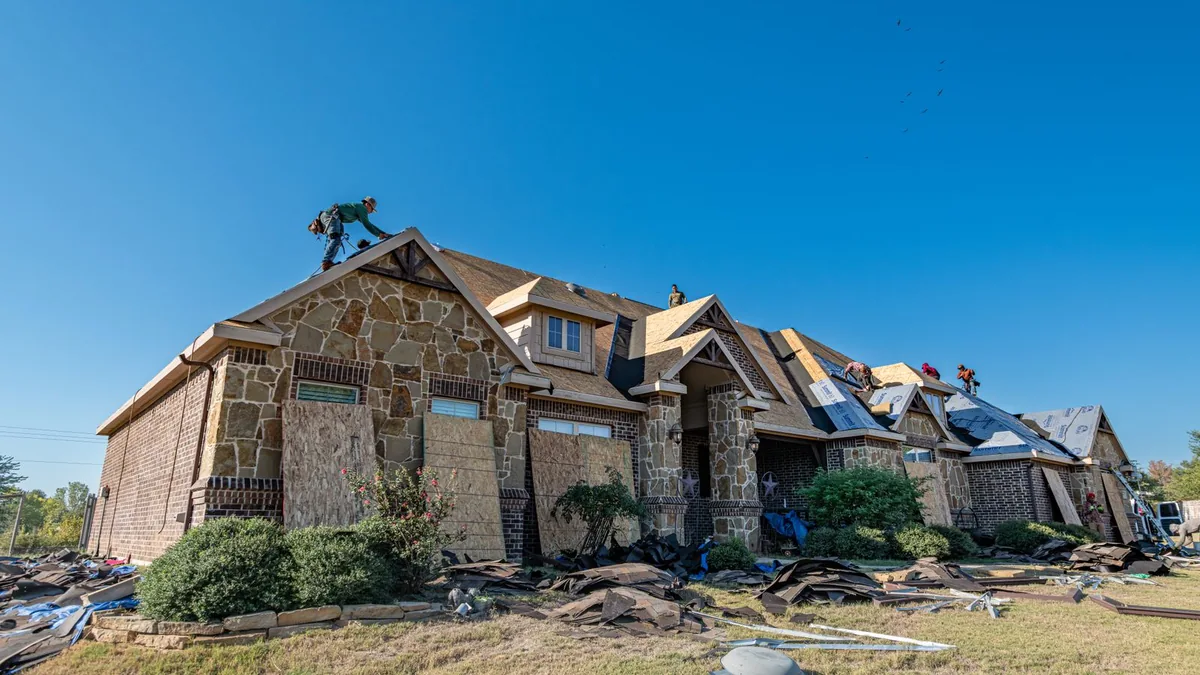
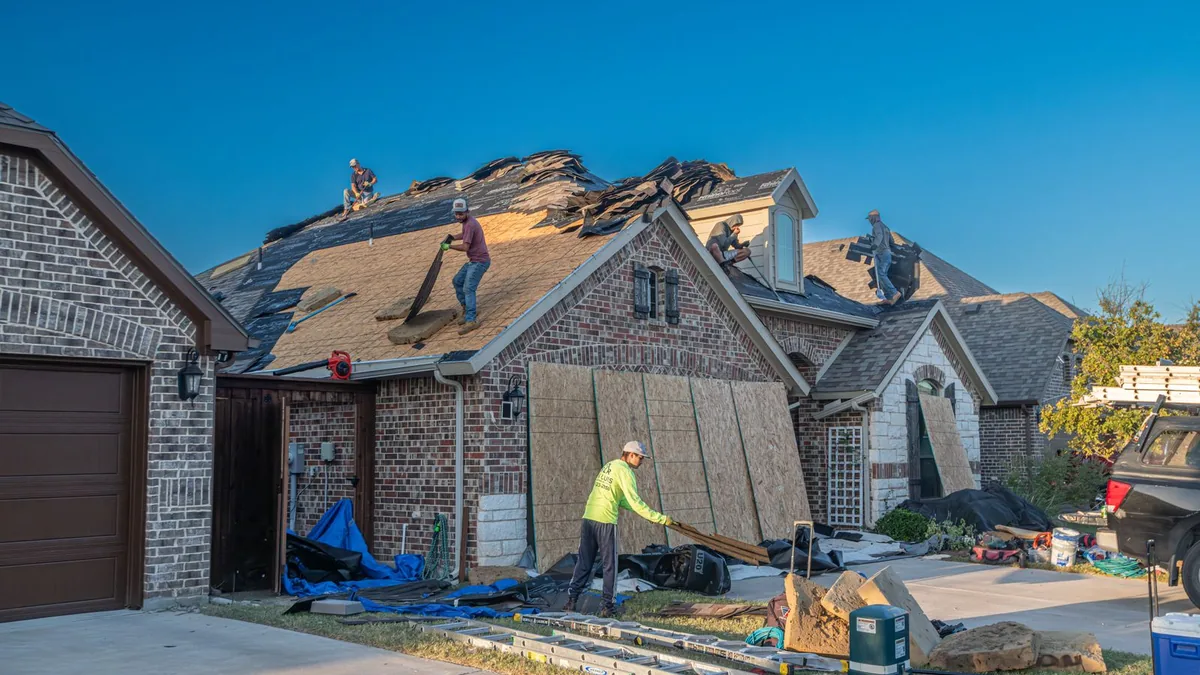
A replacement proposal should state what is removed and what remains. Ask about flashing, penetrations, ventilation components and other adjoining work relevant to the roof. Retained items can be appropriate, but they should not be invisible in the comparison. Two offers described as complete replacement may differ substantially in the components they include and the responsibilities they exclude.
Clarify concealed-condition pricing
Ask how damaged or otherwise unsuitable material discovered during work is documented and priced. Establish the authorization process before work starts. A contractor cannot necessarily know every hidden condition in advance, but the agreement can define how uncertainty is handled. This is more useful than assuming that either a fixed headline price or an open-ended allowance resolves all surprises.
Review access and property protection
Discuss equipment placement, material delivery, landscaping, driveways and access for occupants. Ask how removed materials and debris are handled and what cleanup checks occur at completion. These practical details affect the household even when the roof materials are identical. Put significant commitments in the contract so they are not lost between an estimator and the installation crew.
Separate insurance from the construction decision
If an insurer is involved, communicate factual observations and follow its process. A roofer’s scope and an insurance coverage decision serve different purposes. Do not assume a contractor can guarantee approval or that a claim outcome determines which physical repair is appropriate. Keep policy questions with the insurer or relevant adviser and construction questions with the assessment and proposal.
Compare warranties using actual terms
Ask for both product and workmanship documents and identify registration requirements, exclusions and reporting procedures. A long headline period does not explain every future attendance or repair charge. Find out which business handles a complaint and what records you need. Compare commitments across estimates without assuming that a similarly named warranty provides the same coverage or response.
Get another assessment when the scale differs
If one estimate proposes a small repair and another full replacement, ask each provider to explain the evidence and excluded areas. Another opinion may help resolve the difference, but agreement alone does not replace documentation. Give all assessors the same history and request comparable written scopes so you can see whether they are addressing the same conditions.
Choose the proposal you can verify
Before authorizing work, identify the exact areas, materials, exclusions, change process, schedule and completion records. Confirm relevant contractor credentials and applicable requirements directly for your Indianapolis address. Select the option that addresses supported findings within a clear agreement. Neither the cheapest repair nor the largest replacement is automatically the responsible choice without understanding the property-specific evidence.
Frequently asked questions
1. Is there a universal roof replacement age?
A general age range cannot determine your roof’s condition. Ask what was observed and why a particular remedy is recommended. Available repair options, retained components and known concerns matter alongside age when comparing a documented proposal.
2. Does one leak require full replacement?
Not automatically. Ask whether the finding is localized and what a repair would accomplish. A broader recommendation should explain additional evidence. Do not assume the number of indoor stains alone establishes the appropriate project size.
3. Can a repair be a temporary measure?
Yes, if that is its stated purpose. Clarify expected limitations, follow-up and whether a permanent project remains necessary. Temporary protection and a permanent remedy should not be described interchangeably in the estimate or final invoice.
4. What if quotes cover different materials?
Ask for exact product descriptions and installation scope before comparing price. Different retained components or preparation work may explain more than the visible material choice. Request an explanation of how each proposal addresses the same observed problem.
6. Will the roofer decide insurance coverage?
Coverage depends on the policy and insurer’s process. A contractor can provide construction observations and estimates, but an article or sales promise cannot establish a claim outcome. Keep coverage and physical repair questions distinct.
7. Do warranties cover all future leaks?
Read the actual terms, exclusions and reporting requirements. Product and workmanship commitments may differ. A headline duration is not a promise covering every cause of future water entry, every retained component or every attendance charge.
8. Is a second quote always enough?
A second proposal is useful only if you understand its findings and scope. Ask why recommendations differ and what each excludes. The number of estimates does not automatically resolve uncertainty about inaccessible areas or the original diagnosis.
9. What should completion records show?
Request photographs where appropriate, the completed scope, approved changes, product information and warranty documents. Keep applicable inspection records and cleanup commitments with the invoice. These details help later service and clarify what the project actually replaced.
10. How should I shortlist Indianapolis roofers?
Confirm service coverage, relevant experience and understandable assessment terms. Ask for current credentials relevant to the work and a written proposal. Directory placement or sponsored visibility should not be treated as proof that a recommendation fits your roof.
Sources and related reading
- Indianapolis roofing discussion — question context only
- GAF: guide to roof repairs
- GAF: identifying roof damage
- Find relevant providers and confirm the specific service directly.
Sources provide general context, not a diagnosis or endorsement. Community discussions, where linked, identify questions rather than verified property conditions. Manufacturer instructions and site-specific professional findings govern the work.