A home EV charger purchase should begin with the vehicle, parking arrangement and a qualified electrical assessment. The equipment price is only one part of the project. The route from the electrical supply to the parking space, installation requirements and household charging habits can change the work involved and the usefulness of the final arrangement.
For Indianapolis homeowners, a clear estimate should identify the actual address, proposed equipment and responsibility for applicable approvals. Do not assume that an online compatibility claim proves the home is ready for installation. This guide focuses on the questions that make quotations comparable without offering wiring instructions or selecting electrical capacity remotely.
Describe the vehicle and normal parking
Tell the installer the vehicle model, where it usually parks and whether another vehicle may need charging later. Explain garage access, driveway use and any shared parking arrangement. A technically compatible charger can still be inconvenient if the cable does not fit the normal parking position. Ask the installer to assess practical placement before you order equipment.
Define the charging outcome you need
Explain daily travel patterns and how much time the vehicle normally spends at home. Ask how the proposed arrangement relates to those needs rather than shopping only by an advertised maximum rate. The vehicle and installation both matter to the result. Avoid treating the largest product number as proof that the proposed system is necessary or appropriate.
Arrange a qualified electrical assessment
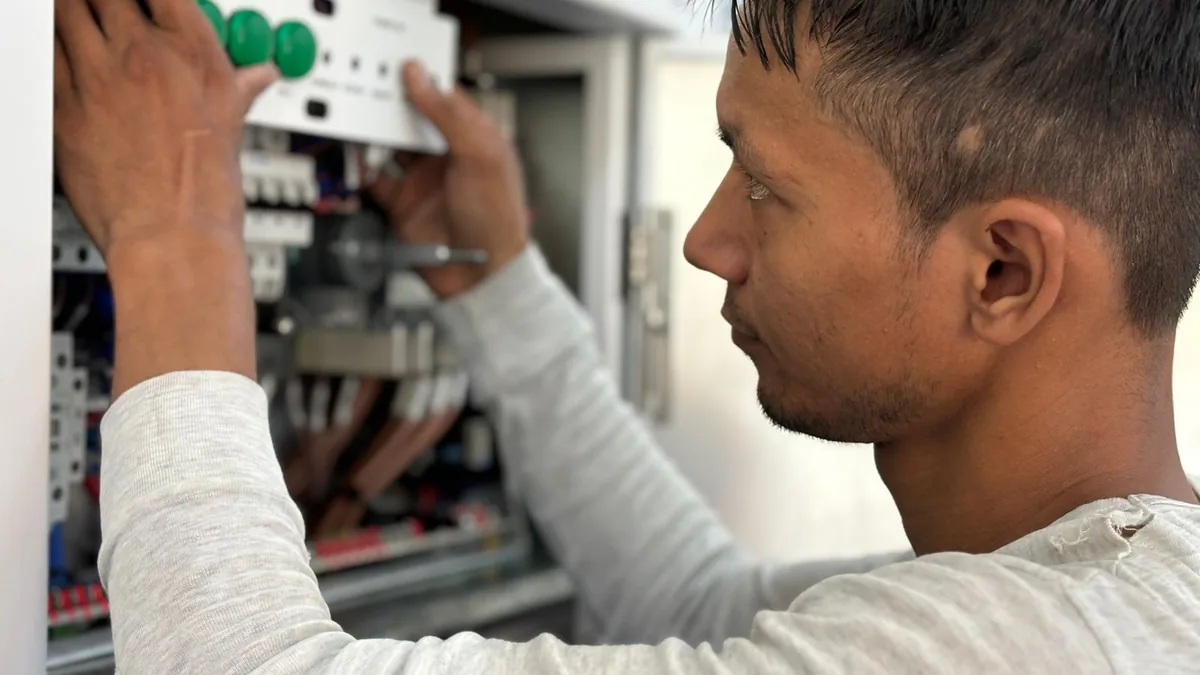
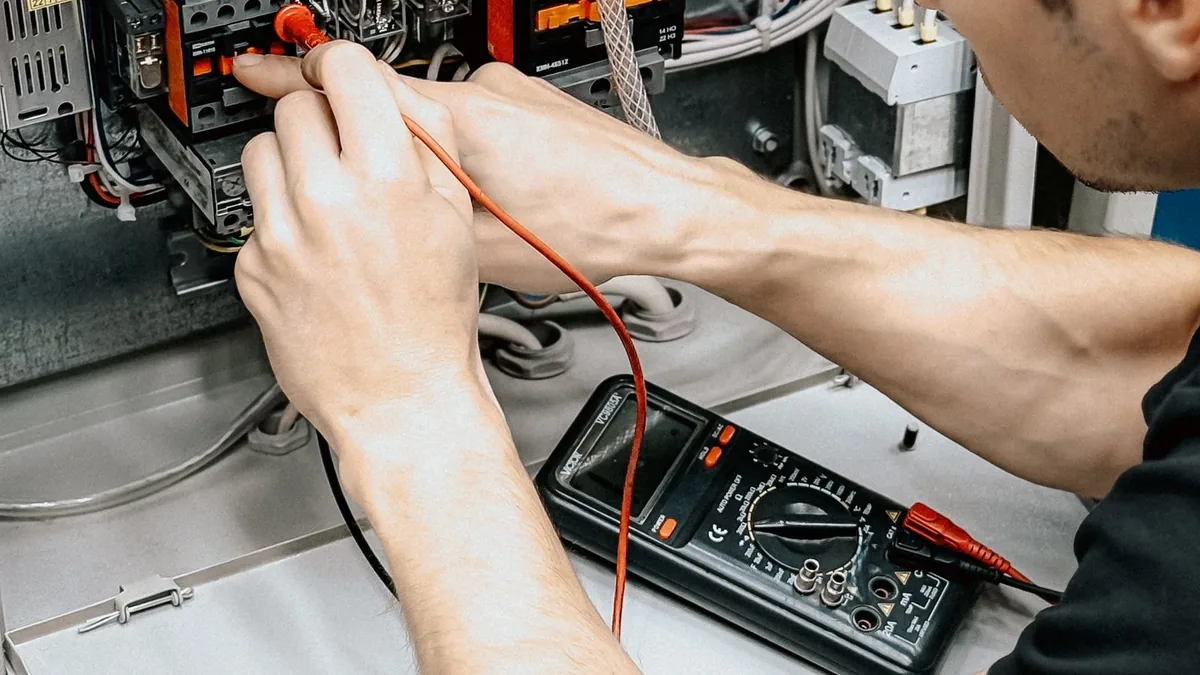
The Electrical Safety Foundation advises having a qualified electrician assess the home for charging. Ask what the evaluation covers and what findings support any proposed electrical changes. Do not remove panel covers or inspect internal wiring yourself. A photograph of accessible labels can provide background, but it should not substitute for the assessment needed to define professional installation work.
Confirm exact equipment compatibility
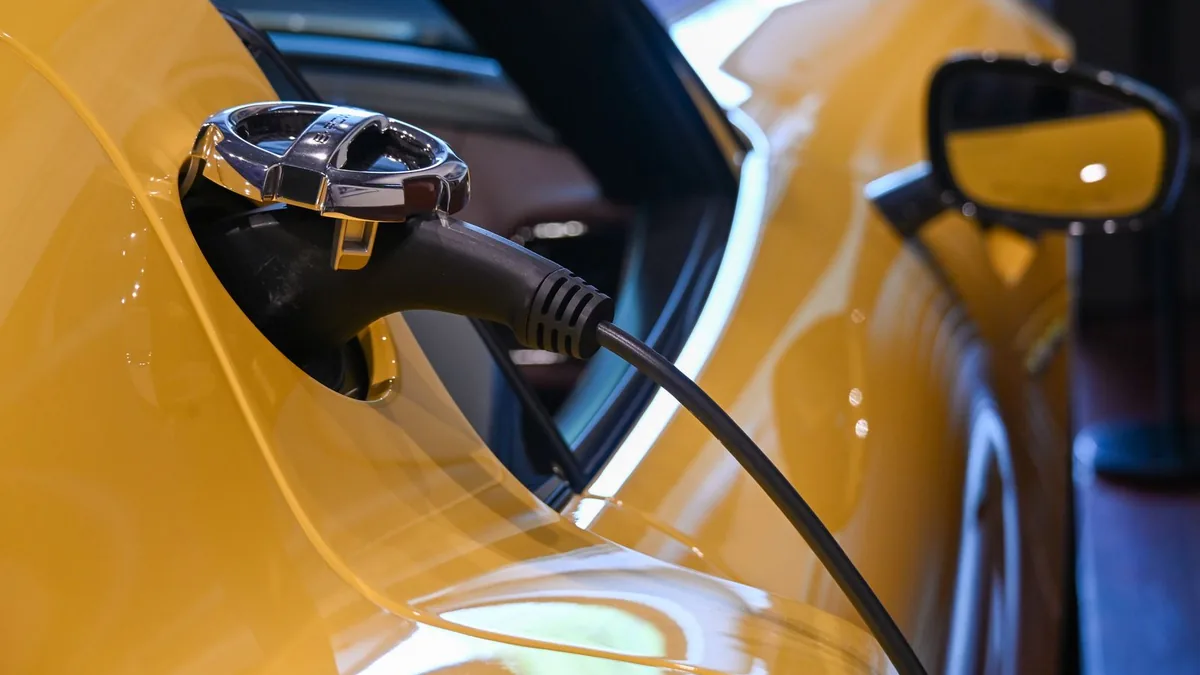
Request the proposed charger model and confirm the relevant vehicle connection and installation arrangement. Ask who is responsible for verifying compatibility and supplying any approved accessories. Do not assume every connector, adapter or advertised universal accessory is suitable. Keep the product instructions and ensure the installation proposal refers to the actual equipment rather than an interchangeable generic charger description.
Compare the installation route
Ask the electrician to explain the route, access needs and affected surfaces. Clarify any trenching, wall work, penetrations or restoration. The distance and physical route can make two quotations materially different even when they specify the same charger. A marked photograph or simple plan helps you understand what will be visible and which parts of the property will be disturbed.
Identify required permissions and approvals
Ask which permits, inspections, utility coordination or property permissions apply to your address and proposed work. Establish who handles them and whether associated charges are included. Requirements should be confirmed through current applicable sources rather than copied from another city. For shared or rented property, obtain authorization before scheduling installation or assuming access to a particular electrical supply.
Separate necessary work from future options
If a panel change or wider upgrade is proposed, ask which assessed condition makes it necessary for the present project. Ask about any supported alternatives and separate optional future capacity from required work. A larger project may be appropriate, but its purpose should be understandable. Do not accept or reject it solely because another household installed a charger without similar changes.
Discuss placement and physical protection
Consider normal movement around vehicles, doors, stored items and walkways. Ask how the installation avoids practical obstructions and protects equipment in its intended environment. The professional should follow the product instructions and applicable requirements. Do not plan to solve a poor location with improvised extension arrangements or accessories that the manufacturer has not approved for the equipment.
Review connectivity and account requirements
Ask whether the chosen charger needs internet connectivity or an account for particular features. Clarify which functions remain available if connectivity is lost. Discuss access for household members and how settings are managed. A feature-rich product may introduce subscriptions or account responsibilities, so include those details in the comparison rather than assuming every advertised function is available without continuing obligations.
Compare total installed cost
Request equipment, labor, electrical changes, access work, approvals, startup and restoration as identifiable items. Separate optional accessories and subscriptions. National cost ranges are not quotations for your property. A current site-specific estimate should explain exclusions and the process for additional findings. Compare equivalent completed work before deciding which total or payment option is more attractive.
Specify testing and user handover
Ask how the installation and charging operation will be checked and documented. Request a demonstration of normal use, relevant safety instructions and the response to warning messages. The US Fire Administration advises against using visibly damaged charging equipment. Keep manufacturer guidance accessible and ask whom to contact for installation concerns separately from vehicle or product support questions.
Keep records for later changes
Save the equipment details, installation scope, relevant approval records, settings and warranty information. If your vehicle or parking arrangement changes, use those records when asking whether modifications are needed. Confirm that an Indianapolis directory provider actually offers EV charging work and serves your address. Directory category placement does not establish suitability for a particular electrical design or product.
Frequently asked questions
1. Should I buy the charger before calling an electrician?
Discuss the vehicle, location and assessment first. A product purchase can constrain the project before compatibility and installation requirements are understood. Ask the installer to confirm the exact equipment arrangement and who supplies it.
2. Does every home need a panel upgrade?
No universal answer applies. Ask what the electrical assessment establishes and why any upgrade is recommended. A proposal should separate work necessary for the current charger from optional preparation for possible future household changes.
3. Will a faster charger always be better?
Compare the proposed arrangement with the vehicle and household needs. An advertised maximum does not establish the rate your situation will achieve or whether the extra installation work is worthwhile. Ask for a system-specific explanation.
4. Can I use an extension arrangement to reach the car?
Do not improvise a solution contrary to product instructions. Discuss normal parking and cable reach before installation. The installer should propose an appropriate location rather than leaving routine use dependent on an unapproved accessory.
5. Who obtains approvals?
Agree in writing who checks current requirements, submits applications and arranges inspections where applicable. Requirements depend on the address and work. Do not assume the equipment seller or electrician handles everything unless the proposal identifies that responsibility.
7. Are smart features always free?
Ask about accounts, connectivity, subscriptions and which functions remain available without them. A hardware price may not describe every continuing service. Review those terms alongside installation and product support responsibilities before choosing the charger.
8. Can I rely on an online installation price?
Treat it as background unless it is a defined offer for your actual conditions. Route, access, electrical changes and approvals can alter scope. Request a current written estimate describing the completed installation and exclusions.
9. What if charging equipment looks damaged?
Do not continue using visibly damaged equipment. Follow manufacturer instructions and seek appropriate professional support. Ask whether the concern belongs with the installer, equipment manufacturer or vehicle support rather than attempting internal electrical repairs.
10. What should I receive at completion?
Keep product details, completed scope, relevant approval records and the installer’s handover information. Ask for normal-use and warning-message guidance. Those records help future servicing and clarify what needs review if the vehicle or installation changes.
Sources and related reading
- Electrical Safety Foundation: electric vehicles and home charging
- US Fire Administration: electric vehicle fire safety
- Find relevant providers and confirm the specific service directly.
Sources provide general context, not a diagnosis or endorsement. Community discussions, where linked, identify questions rather than verified property conditions. Manufacturer instructions and site-specific professional findings govern the work.