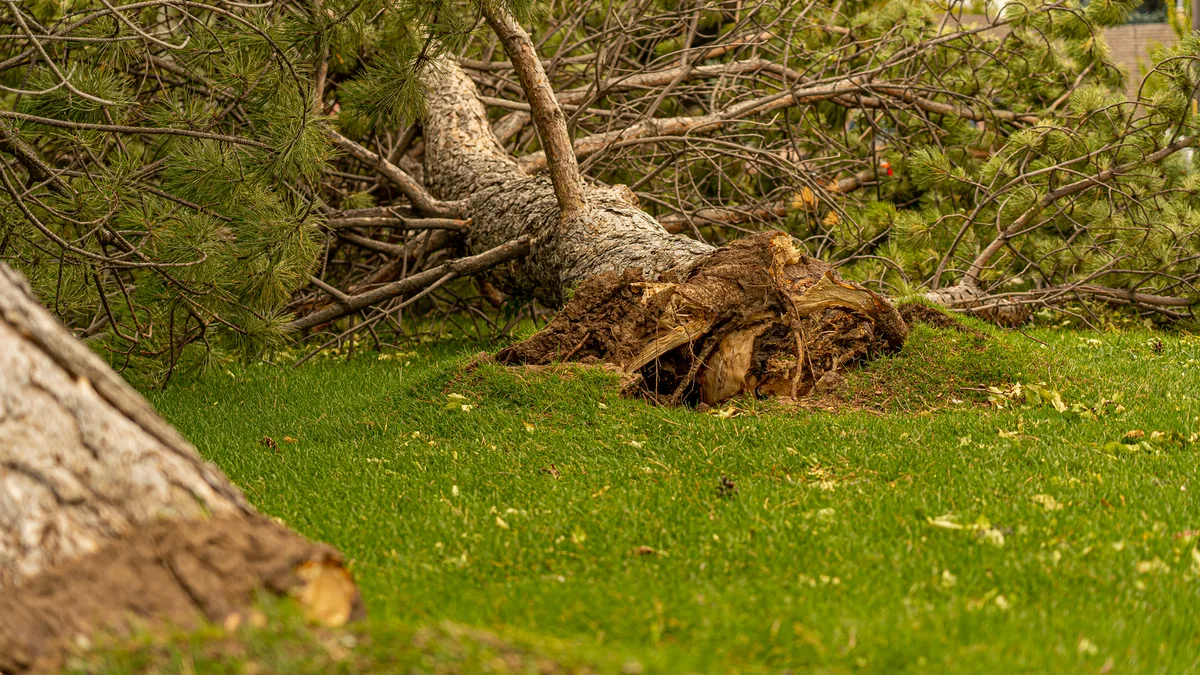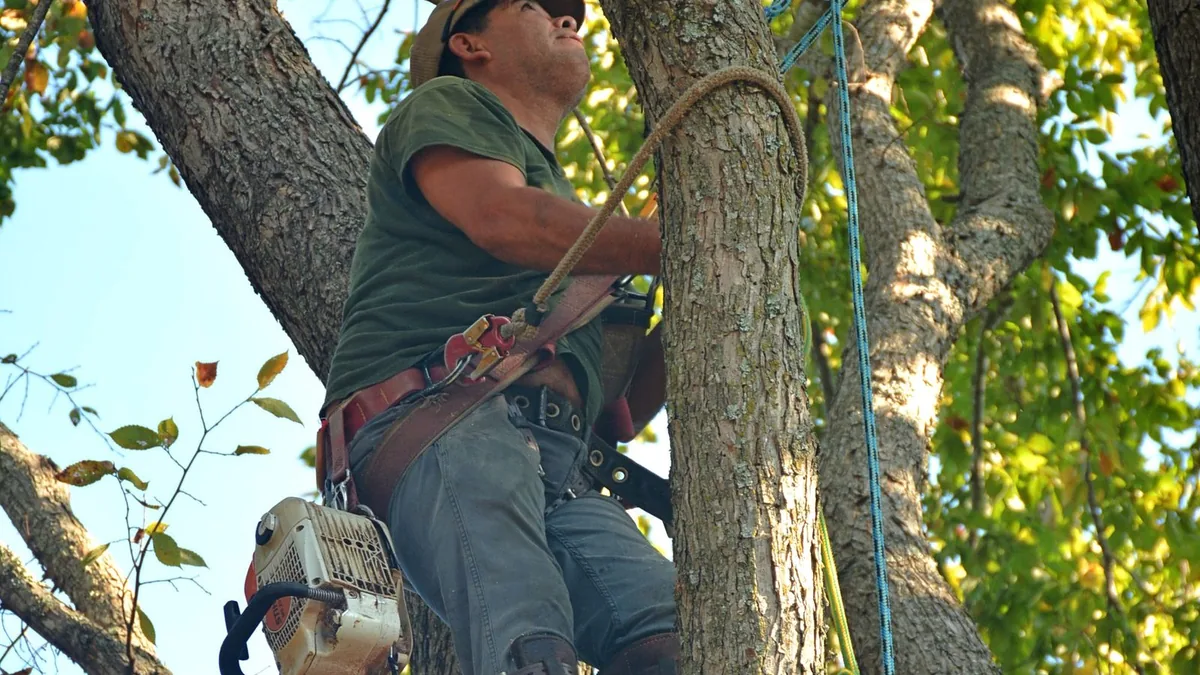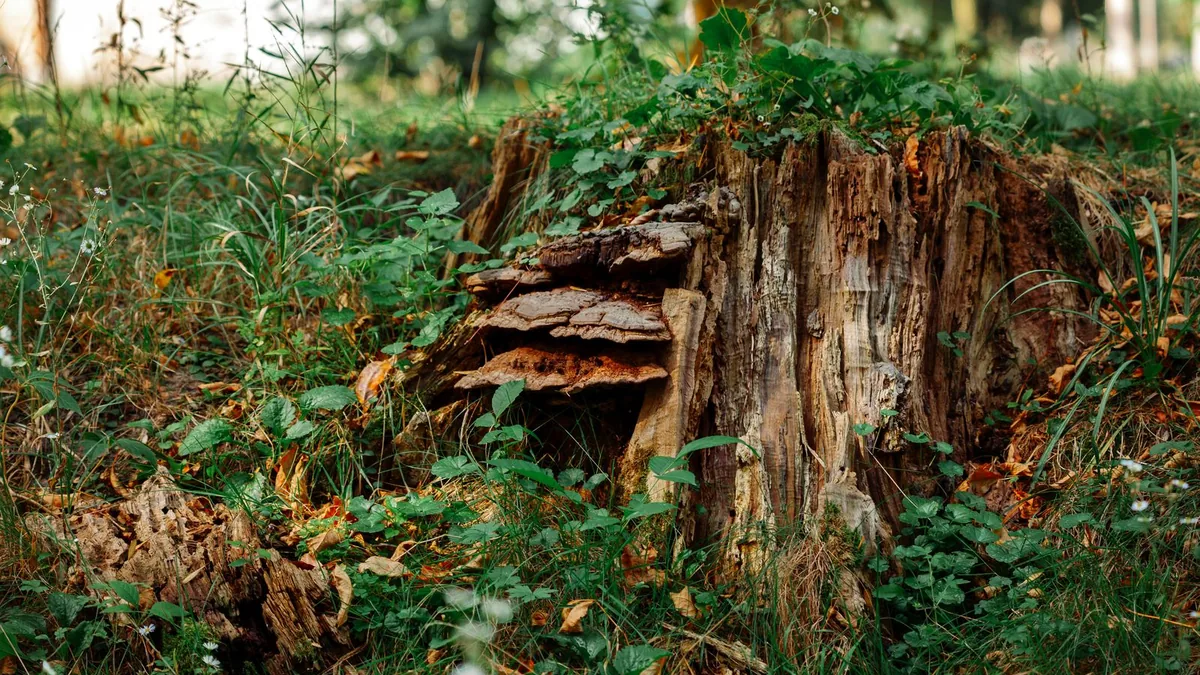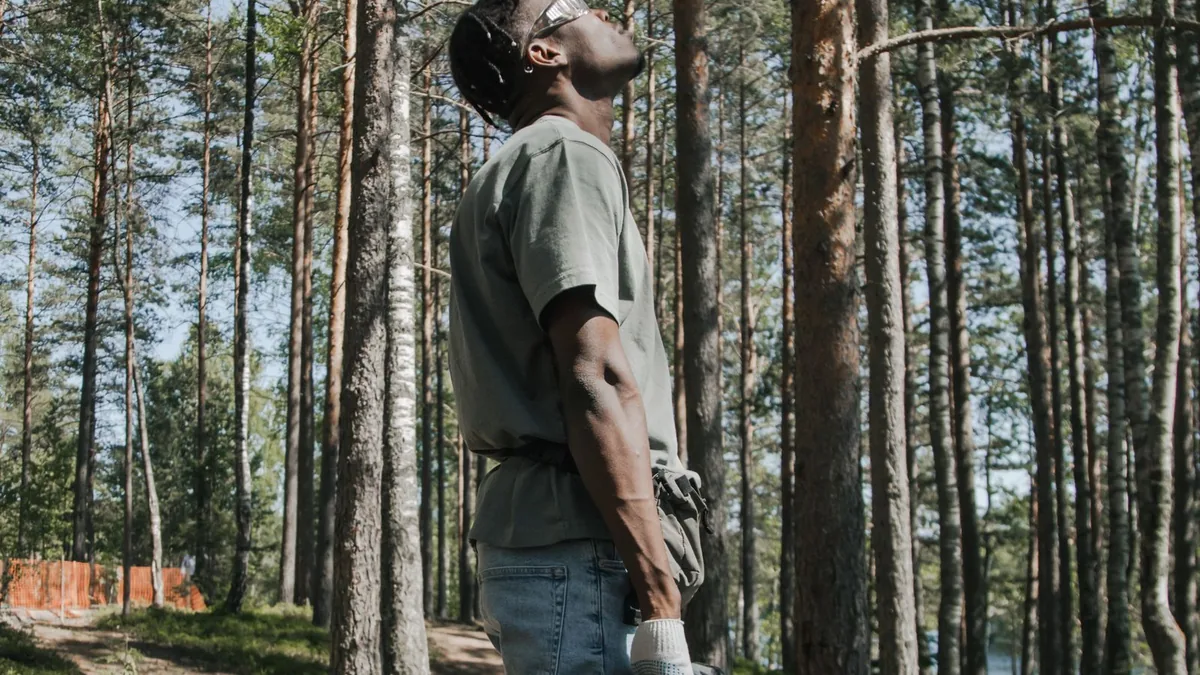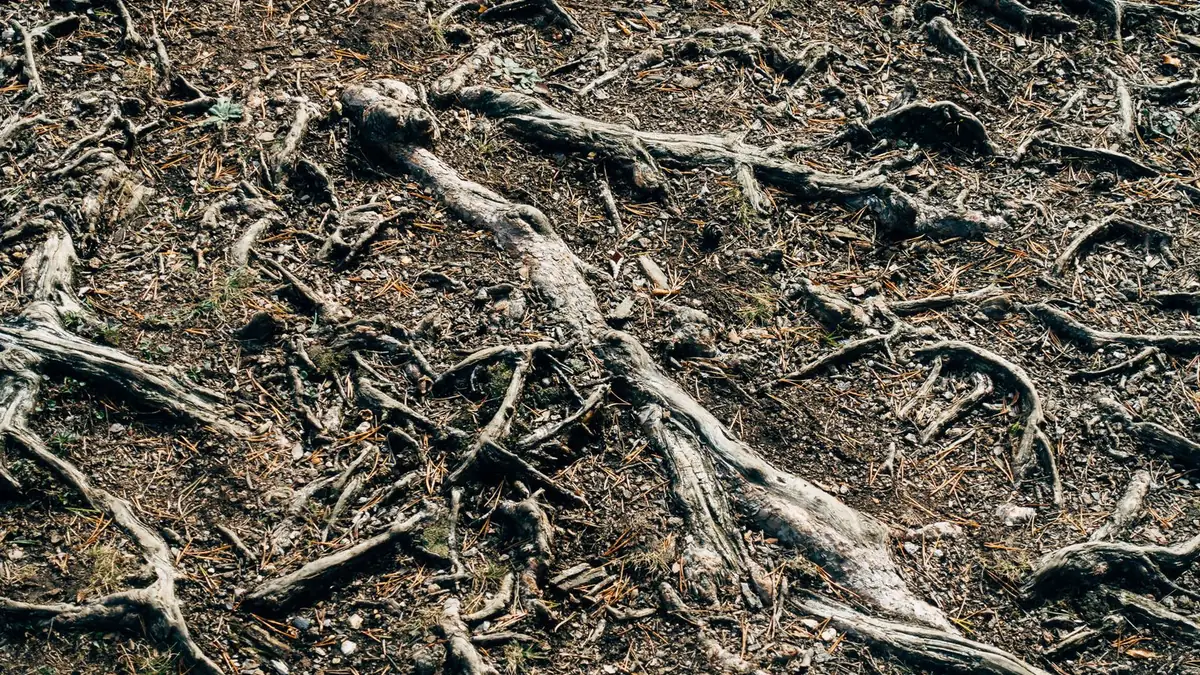
A tree can be valuable to a property even when it stands outside the room or landscape feature being renovated. Before construction begins, ask how access, excavation, storage and proposed level changes affect trees you want to keep. Tree protection is easier to coordinate while the work route is still a drawing rather than after machinery has already crossed the site.
Local Indianapolis tree discussions show a desire to preserve mature trees when reasonable. This article applies that preference to project planning; it does not claim a specific local construction-damage incident. The goal is coordination between an arborist and the professionals responsible for the actual building or yard project.
Identify retained trees before design is final
Tell the designer which trees matter to the household and why. Mark them on the project information so they are not treated as incidental obstacles. Ask whether an arborist should assess them before decisions become difficult to reverse. Preservation goals should be visible to the people planning access and excavation, not only discussed informally with one salesperson.
Arrange an appropriate baseline assessment
Ask the arborist what examination and documentation are useful before work. Existing tree condition can affect the plan and later interpretation of changes. Request an understandable record with limitations. A baseline is not a guarantee of future health; it is a way to avoid beginning construction with no shared account of the tree's observed condition.
Share the complete construction scope
Provide available drawings and describe excavation, grading, drainage, paving and equipment requirements. Include temporary activities as well as the final structure. A tree assessment based only on the finished patio outline may miss important access or staging questions. Ask the project team to identify which details remain provisional and when they will be confirmed.
Let the arborist define protection needs
Do not invent a universal protection distance from a general article. Ask the professional to explain appropriate boundaries and measures for the actual trees and planned work. ISA publishes consumer guidance on avoiding construction damage. Use it to frame questions, while leaving the site-specific protection plan to the qualified people assessing your property.
Coordinate equipment routes
Ask the contractor where vehicles and machinery will travel and whether alternatives are practical. Compare the routes with the agreed tree-protection plan. A convenient shortcut should not silently replace the planned access once the crew arrives. Make the instructions visible to subcontractors and delivery teams, not only the person who prepared the original estimate.
Specify staging and storage areas
Identify where materials, debris, containers and equipment may be placed. Ask the project team how those areas relate to retained trees. Temporary storage can be overlooked because it is absent from the final design. Include it in the work plan so preservation does not depend on every arriving driver independently understanding the homeowner's preferences.
Discuss excavation before cutting begins
If trenches or holes are planned near trees, ask the arborist and relevant trade to coordinate the assessment and method. Do not cut roots simply because they interfere with a proposed route. This guide provides no root-cutting instructions. The project should resolve conflicts professionally before the crew encounters them under schedule pressure.
Review proposed grade changes
Show the arborist where levels may change and how the final landscape is intended to meet existing features. Avoid assuming that adding soil or shaving a high area is harmless because the trunk remains untouched. Ask for an explanation of the relevant limitations and alternatives without turning a general landscaping preference into an unassessed construction instruction.
Assign one person to enforce the plan
Name the contact responsible for communicating protection requirements to all crews. Decide how a conflict or accidental deviation is reported and who can authorize a change. A careful plan can fail if nobody knows which document applies. Include tree-related decisions in the same organized project records used for other important scope changes.
Plan for unexpected findings
Ask what happens if work reveals a conflict with the protection plan. Establish a practical pause and consultation process rather than expecting the crew to improvise. Record the finding and agreed next step. The aim is safe, informed coordination, not forcing a contractor to choose between an unclear tree instruction and an unrelated construction deadline.
Request post-project review and care guidance
Ask the arborist what follow-up is appropriate once work is complete. Describe any deviations or observed damage honestly. Do not apply an improvised treatment merely because the tree looks stressed. A professional review can explain what is observed, what remains uncertain and how ongoing care should fit the actual condition.
Keep the protection record with the remodel file
Retain the baseline, agreed boundaries, construction changes, photographs and follow-up recommendations. Those records help a later professional understand the sequence if the tree changes. Do not assume that immediate appearance proves construction had no effect or that every later symptom necessarily came from the project. A factual history supports a more useful reassessment.
Frequently asked questions
1. Should I involve an arborist before construction?
If retained trees could be affected by access, excavation, grading or related work, ask what early assessment is appropriate. Coordination before finalizing the method can reveal choices that are harder to change later. This guide does not establish that every minor household project requires the same level of tree consultation.
2. Is keeping machinery away from the trunk enough?
Do not assume that a trunk-only rule addresses the full concern. Ask the arborist to define protection needs for the actual tree and work. The plan should consider the activities involved rather than relying on a generic distance or the fact that no visible bark damage occurred.
3. Can a contractor cut roots that block a trench?
Resolve that question with the arborist and relevant construction professional before cutting. This article gives no root-removal method or authorization. Ask for alternatives and a documented decision when a route conflicts with a retained tree rather than leaving the crew to improvise at the excavation.
4. Why does temporary storage belong in the plan?
Construction materials and equipment can occupy areas not shown in the finished design. Ask how staging relates to the tree-protection requirements. Identifying an approved area beforehand helps prevent deliveries or debris placement from undermining a plan that only the main contractor has seen.
5. Can I use one standard protection distance?
A general article cannot assess the tree or project. Ask the arborist for site-specific guidance and the reasoning behind it. Tree condition, setting and work vary. An arbitrary distance copied from another property should not be treated as a complete protection plan for yours.
6. Who tells subcontractors about the restrictions?
Name a responsible project contact and establish how instructions reach every relevant crew and delivery team. Include the current plan in the project documents. Do not assume that an early conversation with the estimator automatically informs people who attend months later under a separate trade contract.
7. What if the construction plan changes?
Review the tree-related effects with the appropriate professionals before authorizing the revision. A small layout change may alter access or excavation. Record the approved adjustment and circulate the current version so protection measures do not remain tied to a drawing that is no longer being followed.
8. Does a healthy-looking tree prove no damage occurred?
Avoid drawing a definitive conclusion from immediate appearance alone. Ask the arborist what follow-up is appropriate and keep the construction history. Equally, a later symptom should not automatically be assigned to the project without assessment. The useful approach is documented observation rather than assumptions in either direction.
9. Should I treat a stressed tree myself afterward?
Seek appropriate assessment and care guidance rather than applying an improvised remedy. Explain the work performed and any deviations from the plan. A professional can connect recommendations to the observed condition; a generic online treatment cannot establish what your particular tree needs after construction.
10. What should I retain after the project?
Keep the baseline assessment, protection plan, approved changes, photos and follow-up advice with the construction file. Record who assessed the tree and when. These details support later maintenance and make it easier to explain the actual sequence if another professional is asked to investigate a change.
Sources and related reading
- Indianapolis discussion about preserving a mature tree.
- ISA: avoiding tree damage during construction.
- ISA: treatment of trees damaged during construction.
- Find relevant directory contacts. Confirm the exact service with the business.
Prepared as consumer decision guidance, not a diagnosis, engineering plan, legal opinion or guarantee of project results. Public discussion supplies question context, not independent proof about vendors or every Indianapolis property.