AC Repair
Explore the detailed demo
Explore heating, cooling and refrigeration service topics. The HVAC hub and AC repair guide are available; other scopes remain under review.
Explore HVAC providers →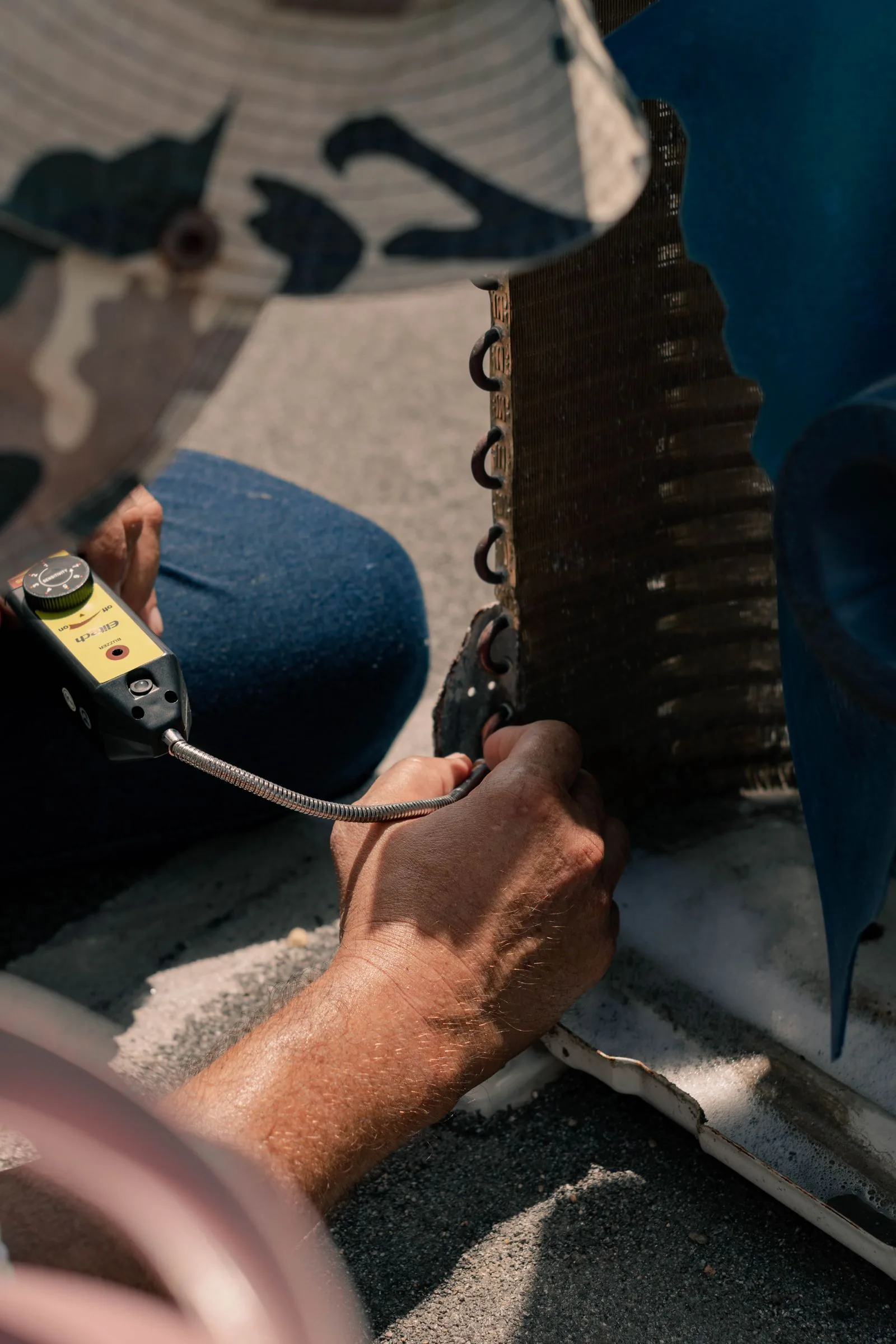
Explore the detailed demo
Service scope under review
Check business address ZIP →Service scope under review
Service scope under review
Service scope under review
Check business address ZIP →Service scope under review
Service scope under review
Service scope under review
Service scope under review
Service scope under review
Service scope under review
Note your equipment type, the rooms affected and when the issue started. Share observations rather than a self-diagnosis.
Ask what the diagnostic visit includes, which repairs need approval and whether parts or follow-up visits cost extra.
Compare the same work, materials and exclusions. Ask about warranty terms and what happens if the diagnosis changes.
 CHOOSING A PROVIDER
A practical checklist for scope, diagnostic fees, parts and warranty questions.
Read the guide →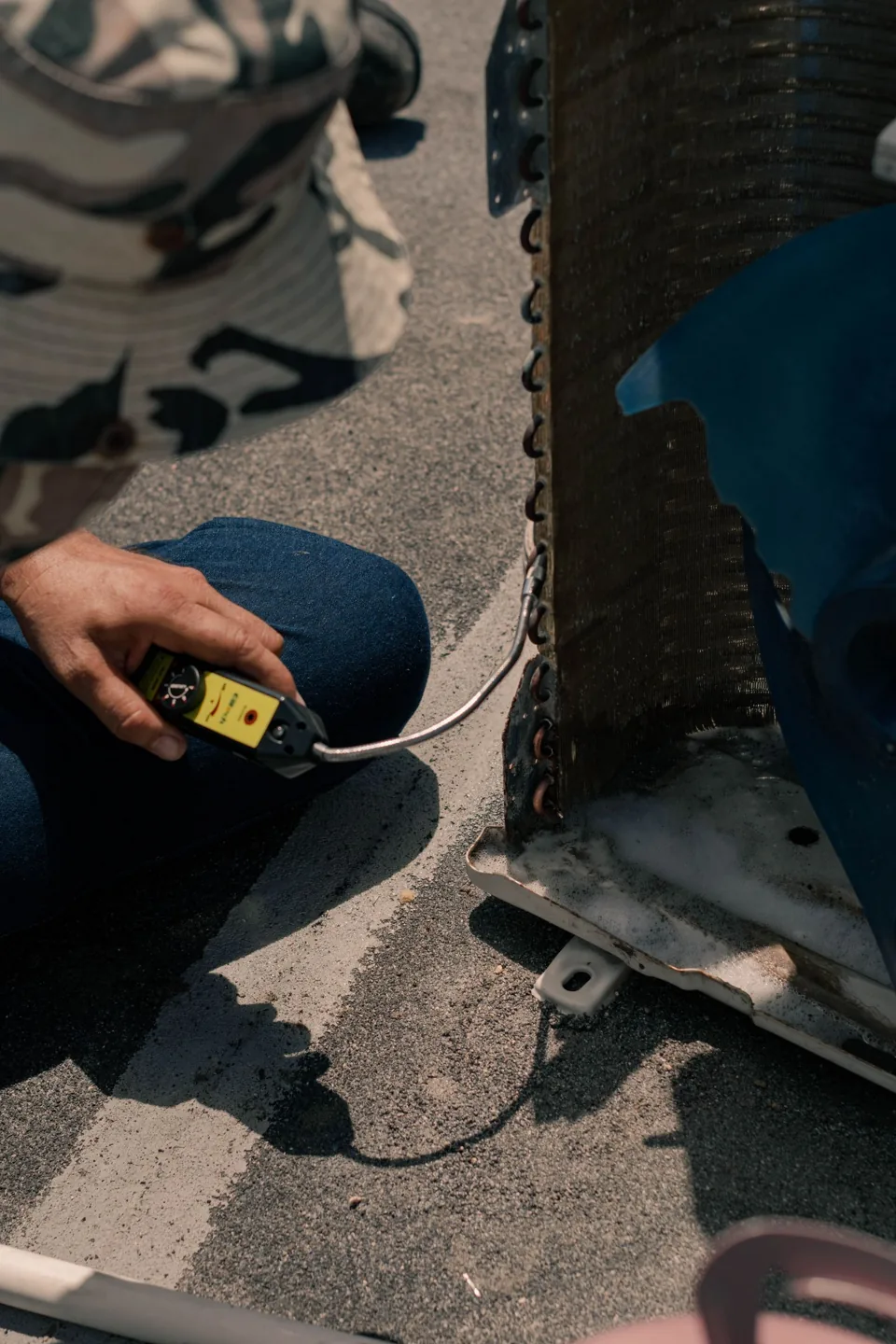 CHOOSING A PROVIDER
Help a provider understand the symptoms without guessing the diagnosis.
Read the guide →Heating, cooling and refrigeration cover several kinds of business activity. This category helps you begin a search without assuming that every listed business provides the same work. A source record may describe a contractor, supplier, repair business or commercial specialist. Read that business type before opening a profile. Your next step is to confirm the particular task, equipment and property involved. The directory organizes candidates so that you can have a focused conversation; it does not turn a broad label into proof of a specialist capability.
Think about the outcome you need. You may want a cooling problem investigated, equipment installed, a scheduled maintenance task performed or a component supplied. These needs can lead to different questions even when the same broad category is involved. A person looking for parts may need a supplier rather than a site visit. A property manager may need support for a commercial system. Describe your need in ordinary language and ask the business to identify the appropriate appointment or process. Do not assume that a familiar search term has the same meaning for every provider.
The AC repair page explains how to prepare a symptom report, discuss a diagnostic visit and compare a proposed scope. A record associated with HVAC does not automatically appear as an exact AC repair match. Exact capability values need evidence; unknown fields remain unknown. This may produce fewer results than a broad category search. That behavior is intentional. It is more useful to distinguish an unanswered service question than to display a long list that suggests every candidate has been checked for a task it may not perform.
For installation or replacement, ask what the provider needs to assess before preparing a proposal. Explain the property, equipment context and desired outcome. Request a scope that separates supply, installation, related work and exclusions. Ask about removal of existing equipment and documentation of the finished work where relevant. The directory does not provide equipment sizing, performance calculations or a technical design. It also does not infer that a business is authorized for a particular brand from a source photograph. Confirm those matters with the business and appropriate project professionals.
A maintenance inquiry should identify what equipment is involved and what the proposed appointment covers. Ask whether the business offers a one-time visit, a recurring arrangement or a defined set of checks. Clarify what is excluded and how repair recommendations are handled if a problem is found. A maintenance description is not a guarantee that a fault will be prevented or that all later repair costs are covered. Keep the service description and agreement so that future visits can be compared against the actual promised scope rather than a general category name.
Refrigeration records can include specialized work that differs from ordinary residential comfort cooling. If your need involves commercial equipment, describe the equipment and use context rather than asking only for a general cooling service. Ask whether the business supports that type of equipment and whether it accepts your kind of account or appointment. A supplier may provide components without undertaking repairs. A source category can help discover these records but should not erase those differences. The business's direct explanation is essential before you treat it as a suitable candidate for a particular system.
Look at the recorded business type, source address, phone, website, rating with review count and opening schedule. Use photographs as visual context rather than proof of current operations. A high score does not establish support for your equipment. An address in a convenient ZIP does not establish dispatch coverage. Source hours do not establish a live appointment slot. When the directory says Not provided, prepare a question instead of assuming the missing value is favorable or unfavorable. The comparison tool helps keep these questions together for up to three businesses.
Before calling, prepare the task, general project location, equipment information that is safely available and the questions that matter most. Confirm scope first, then visit terms, written estimates and approval of changes. Ask about credentials and insurance relevant to the actual work rather than relying on an unsupported badge. Discuss warranty documentation and who will perform the work. The directory's form previews do not deliver requests or reserve appointments. Use the recorded direct contact, confirm the business identity and retain the business's response with the estimate so that your decision rests on a clear proposed engagement.