 CHOOSING A PROVIDER
How to compare HVAC estimates
A practical checklist for scope, diagnostic fees, parts and warranty questions.
Read the guide →Review service information, compare business records and prepare the questions you want to ask.
No fully verified providers are listed for this service yet. Browse recorded business profiles and confirm your project directly.
Try a business name, HVAC or a recorded business ZIP. Exact service capabilities are unverified, so service filters may have no matches.
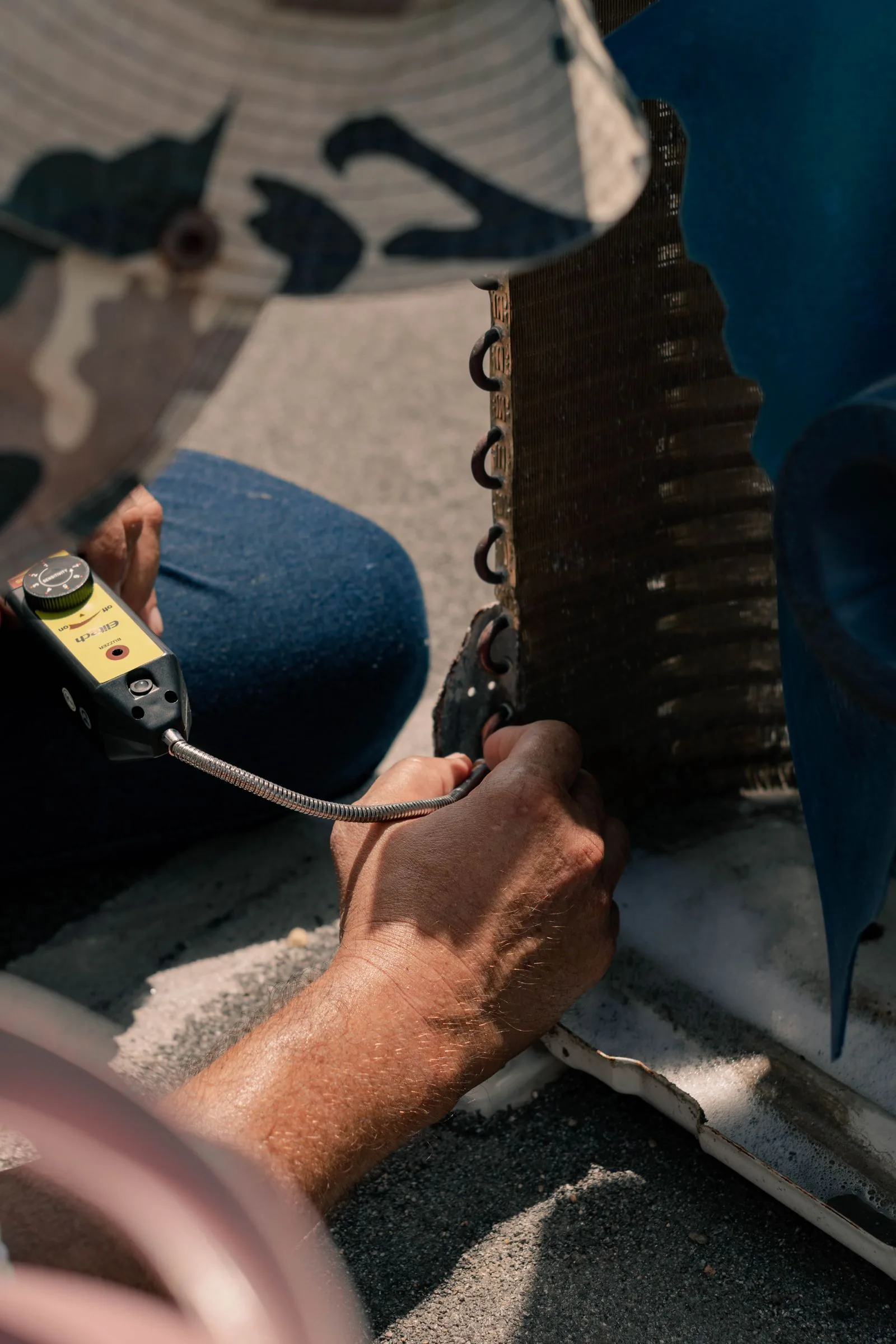
Note your equipment type, the rooms affected and when the issue started. Share observations rather than a self-diagnosis.
Ask what the diagnostic visit includes, which repairs need approval and whether parts or follow-up visits cost extra.
Compare the same work, materials and exclusions. Ask about warranty terms and what happens if the diagnosis changes.
No. These are unverified real business records. These records are approved only for owner-private pilot display.
No. Missing values mean Not provided. Verify scope directly with a real provider before making a decision.
You can preview a request using fictional details. This demo does not deliver requests.
CHOOSING A PROVIDERA practical checklist for scope, diagnostic fees, parts and warranty questions.
Read the guide →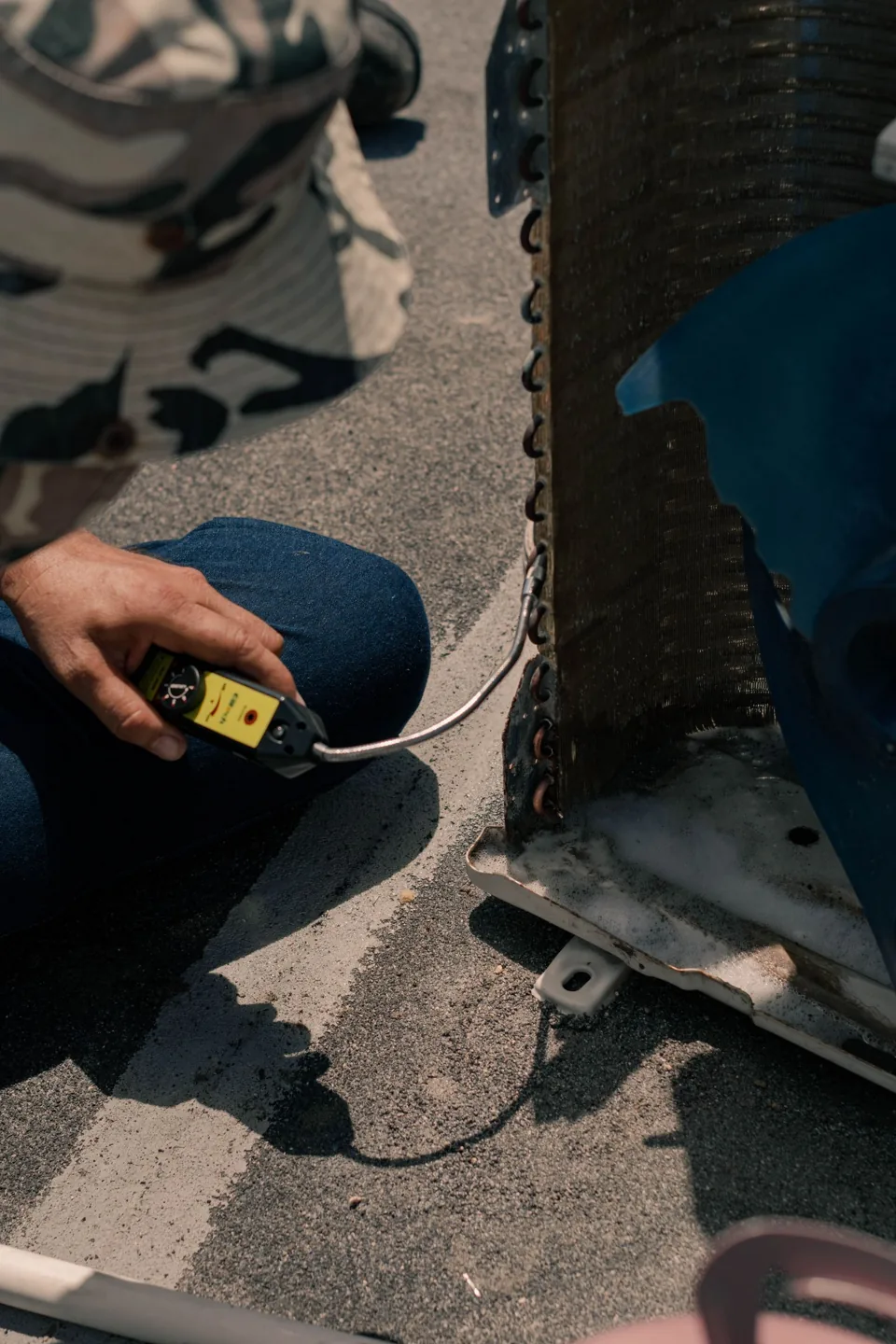 CHOOSING A PROVIDER
Help a provider understand the symptoms without guessing the diagnosis.
Read the guide →A heating and cooling category can contain contractors, refrigeration specialists, equipment suppliers and businesses that focus on a particular commercial setting. Those roles can overlap, but a category alone does not establish the scope you need. Start by reading the recorded business type and then describe the equipment or project directly. If you need someone to investigate cooling in a home, ask about residential diagnostic visits. If you need support for a commercial refrigeration system, specify that context. A useful shortlist reflects the actual question you want answered rather than treating every cooling-related record as interchangeable.
Prepare a short description of what you observe, when it began and which spaces or equipment are affected. Include an equipment make or model if you can read it without entering an unsafe or inaccessible area. You do not need to diagnose the cause before making an inquiry. Ask what information the business needs to decide whether the job is within its scope. A provider may need a visit before offering a meaningful repair proposal. Clarify that process and its cost rather than assuming that a brief telephone conversation can establish the complete work required.
Ask whether the proposed appointment is a diagnostic visit, maintenance appointment, installation survey or something else. These descriptions can involve different work and different deliverables. Confirm what the visit fee covers, whether an estimate follows, and whether the business needs approval before carrying out repairs. If the provider says a fee may be applied toward later work, ask for the actual terms in writing. The directory does not supply price ranges, waive visit charges or establish which business offers a free estimate. Those details belong in the conversation with the provider.
Two proposals can have different totals because they cover different equipment, parts, labor, access arrangements or follow-up visits. Ask each business to identify what is included, what remains uncertain and what would trigger an additional charge. A concise written scope is more useful than a headline number without context. If an option involves replacement rather than repair, ask why it is proposed and whether alternatives were assessed. Keep the reasoning with the estimate so that a later comparison does not reduce different approaches to price alone.
Relevant licensing, insurance and qualifications depend on the work being proposed. The directory does not attach a credential label simply because a business has a website or a high source rating. Ask the business for the details that matter to the project and confirm them through a suitable authoritative channel where needed. Also ask who will perform the work and whether subcontractors are involved. These questions help clarify responsibility. They should not be interpreted as a statement that a particular listed business has or lacks a qualification; missing directory information is not a finding against that business.
Confirm the project address, appointment arrangements, access needs and the person who will approve any changes. Ask what happens if a diagnosis changes after work begins and how further charges will be authorized. Discuss documentation of the completed work and any written warranty conditions. Keep the estimate, approval and service record together. Source opening hours can help you choose when to make an inquiry, but they do not establish live appointment availability. Use the direct phone or website contact for real work, since the directory's quote form currently produces a local preview only.