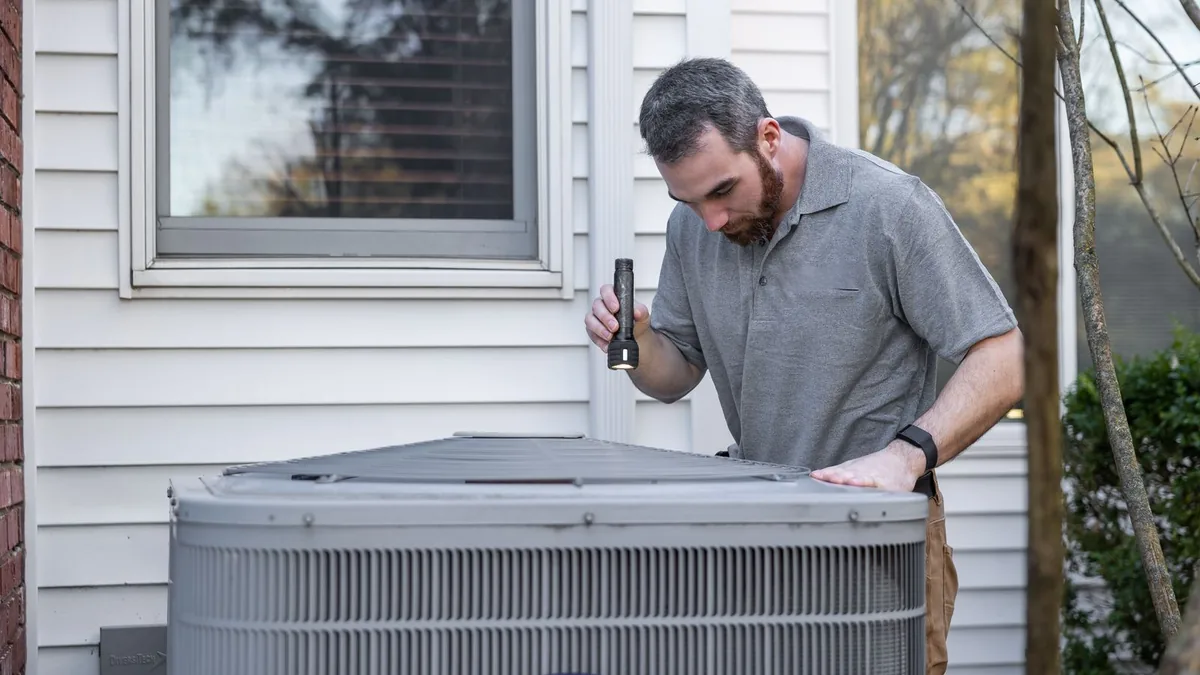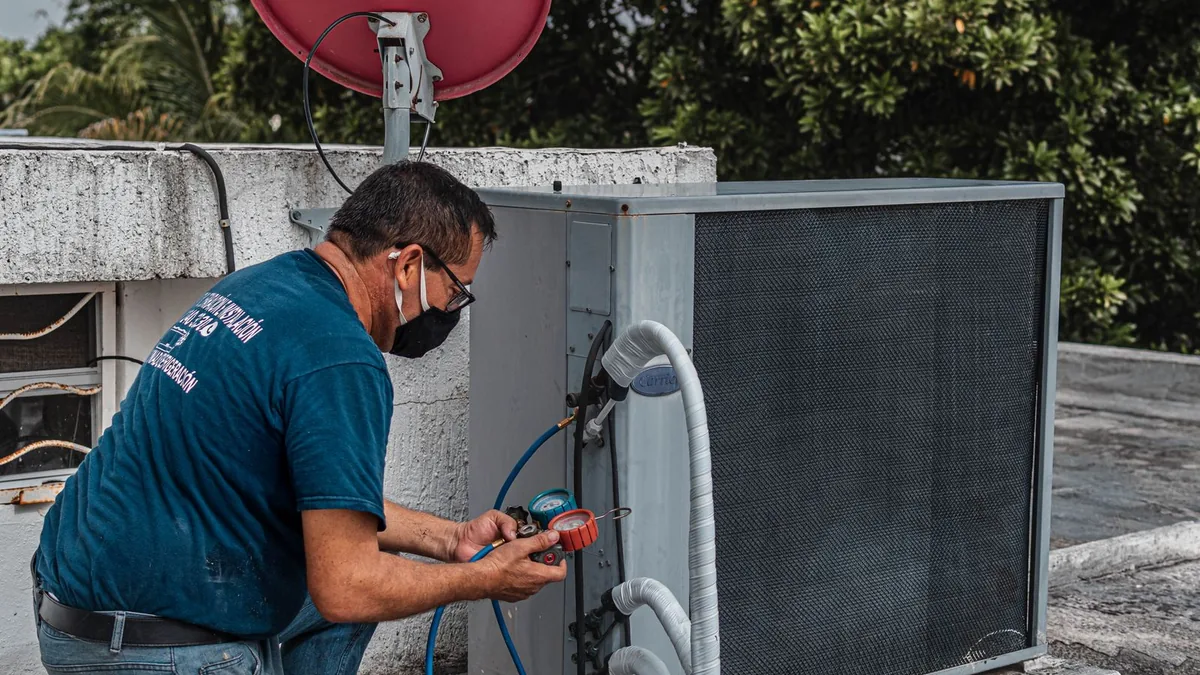
When an air conditioner runs but the house stays uncomfortable, a useful service call starts with observations rather than a guessed failed part. Note when the problem began, which rooms are affected and whether the equipment seems to run continuously or stop unexpectedly. These details help the technician distinguish a whole-system issue from a room-specific complaint.
Indianapolis residents discussing HVAC repairs often ask how to obtain a clear diagnosis without feeling pushed toward replacement. The practical response is to agree on the diagnostic visit, authorize additional work deliberately and request findings you can understand. Do not attempt refrigerant, electrical or internal equipment work to prepare for an appointment.
Describe the temperature pattern
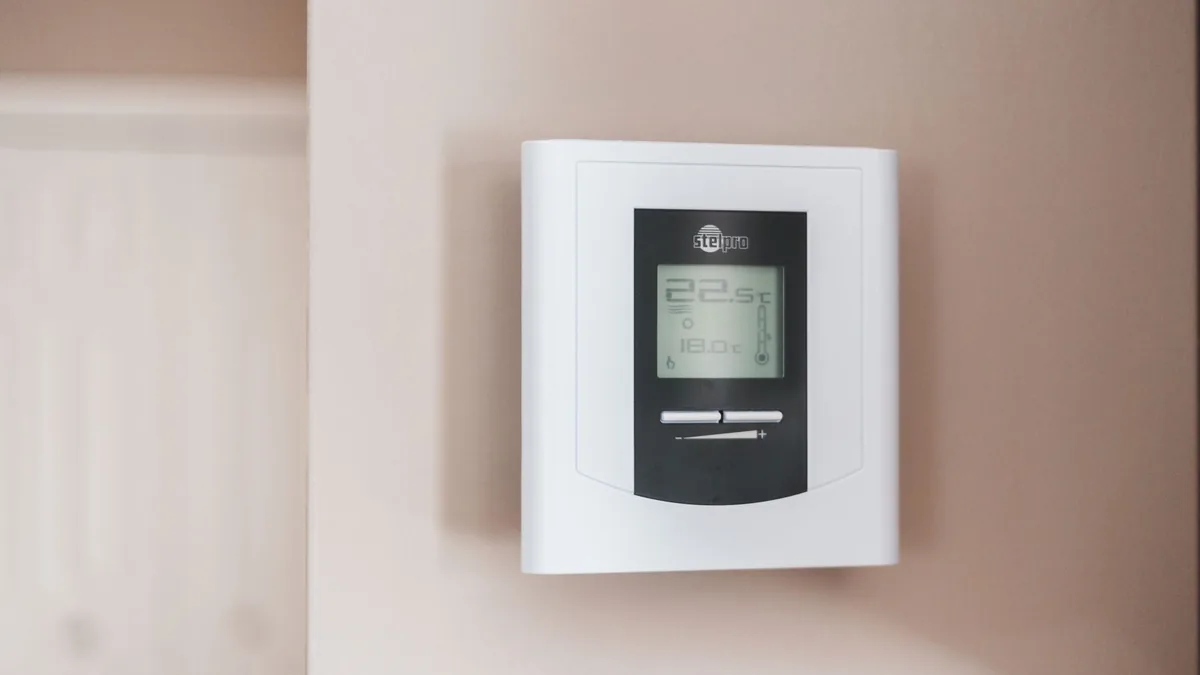
Record the thermostat setting and the displayed room temperature at a few meaningful times. Explain whether the problem developed suddenly or became noticeable during a particular period. A short factual history is better than repeatedly changing controls to force a different response. Share observations without claiming they prove the compressor, refrigerant system or thermostat has failed.
Separate one-room trouble from whole-home trouble
Tell the provider whether every occupied room feels warm or one area behaves differently. Mention additions, closed rooms and spaces used for work or sleeping. This helps frame the assessment of equipment and distribution. Do not accept an explanation that ignores a longstanding room-specific complaint when that complaint is the reason you requested service.
Check only ordinary user information
Read the thermostat display and find the owner manual if available. Note any visible fault message without opening equipment or removing electrical covers. If the manual describes a routine user check, follow its safety limits. Leave unfamiliar controls alone. The goal is to supply useful information, not to complete a risky internet troubleshooting sequence before help arrives.
Report unusual warning signs promptly
Tell the provider about burning odors, smoke, sparking, significant water leakage or unusual sounds. If there is an immediate safety threat, seek emergency assistance and leave the affected area as appropriate. Do not keep testing equipment that appears unsafe. Distinguish an urgent safety concern from an ordinary comfort appointment when explaining what is happening.
Prepare model and service information
Photograph accessible identification labels and gather previous invoices. Note any recent thermostat replacement, maintenance visit or building work. Prior findings can help the technician avoid repeating assumptions, but they do not establish the current diagnosis. Ask whether the business services your particular equipment type before committing to an attendance charge or arranging time away from work.
Agree on the diagnostic scope
Ask what the initial charge includes, whether findings will be written and how additional work is authorized. Clarify any after-hours surcharge and whether a diagnostic charge is credited toward a repair. These details are commercial terms, not a test of technical quality. A clear agreement nevertheless makes the visit easier to assess and reduces invoice surprises.
Ask for findings rather than a parts guess
Request a plain-language explanation of the observed fault, the checks supporting it and any remaining uncertainty. A symptom such as warm air can have more than one explanation. Ask what the proposed repair is expected to change and how the technician will confirm the result. Avoid approving a major component solely because it is frequently blamed online.
Clarify any refrigerant recommendation
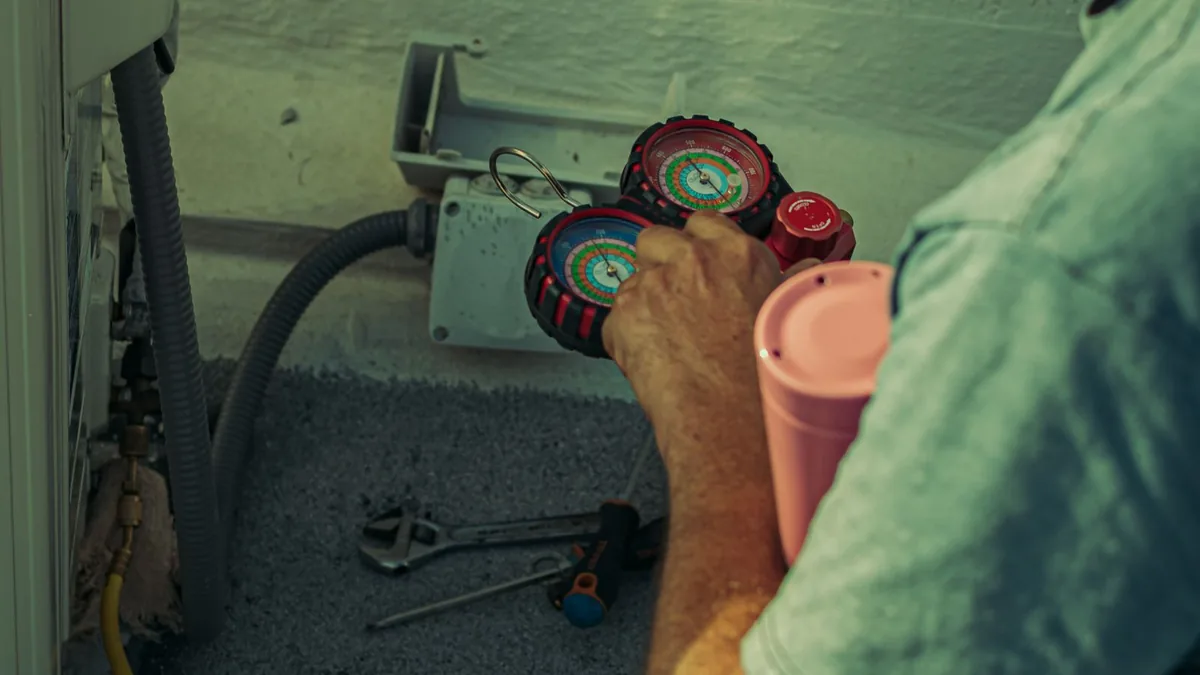
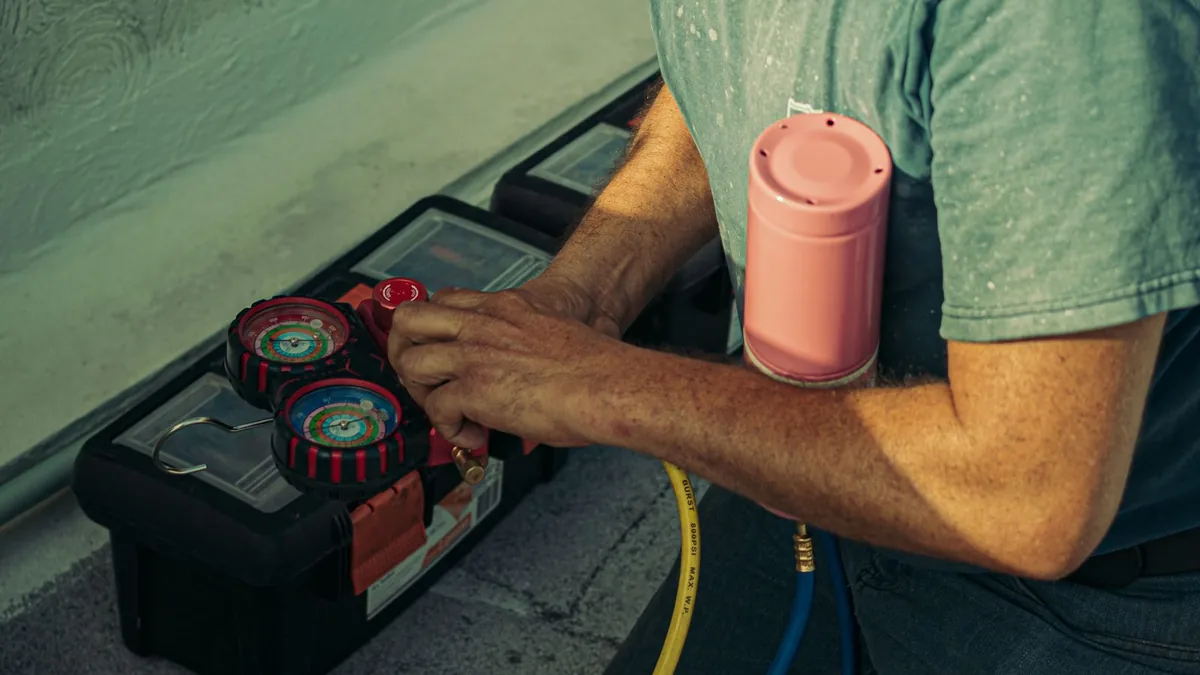
If refrigerant work is proposed, ask what findings justify it and whether another fault needs investigation. Request the exact scope, exclusions and follow-up expectations. Do not handle refrigerant yourself or assume every cooling complaint means the system needs a top-up. A written explanation should separate the immediate service from any unresolved condition or future repair recommendation.
Compare repair with replacement fairly
When replacement is recommended, ask for the repair alternative if one is appropriate and explain your budget and timing constraints. Compare the condition of other components and any known distribution problems. Do not turn a single repair price into an automatic replacement rule. The decision should relate to identified condition, supported options and the installation work being offered.
Include airflow and control questions
Ask whether the assessment addresses airflow, accessible filtration and control operation where relevant to the complaint. Tell the technician about changes in room use or recent renovations. A replacement proposal should not quietly leave the original comfort problem unaddressed. Ask which parts of the investigation were completed and which would require a separate visit or additional specialist.
Confirm the result at handover
Request a summary of work performed and the checks used to confirm the agreed repair. Ask what behavior to expect and what would justify contacting the provider again. Keep any settings and manufacturer-specific maintenance instructions. A successful visit should leave you understanding what changed, rather than simply noting that the equipment happened to be running when the technician departed.
Keep a concise follow-up record
If the problem returns, report the timing and symptoms rather than requesting the same part again automatically. Reference the previous invoice and ask how any labor commitment applies. Keep communication factual and documented. When contacting another business in Indianapolis, provide the history while allowing it to assess the present condition independently instead of requiring agreement with an earlier diagnosis.
Frequently asked questions
1. Should I keep lowering the thermostat?
Repeatedly changing the setting does not identify the cause. Record the displayed temperature and observed operation, then request assessment. Follow the equipment instructions and avoid continuing operation if there are warning signs suggesting a safety problem.
2. Does warm air prove the refrigerant is low?
No. Treat warm air as a symptom to report. Ask the technician what checks support any refrigerant recommendation and what further investigation is needed. Do not authorize repeated top-ups without understanding the stated purpose and limitations.
3. What should I photograph before the visit?
Accessible equipment labels, the thermostat message and relevant visible conditions can help. Take photographs only from safe positions without opening equipment. There is no need to expose wiring, remove covers or enter an unsafe attic for a better picture.
4. Can I ask for a written diagnosis?
Yes. Agree on the diagnostic deliverable when booking. Ask for the observed issue, recommended work and unresolved questions in understandable terms. A written record helps compare options and gives you something useful if symptoms return.
5. Is an emergency appointment always necessary?
Explain the actual conditions to the provider and seek emergency help for immediate hazards. Ordinary scheduling depends on availability and household needs. Do not assume an advertised emergency service guarantees a particular arrival time or completed repair.
6. Should a failed part mean full replacement?
Not automatically. Ask about a supported repair option, the condition of retained equipment and the scope of replacement. A decision based solely on one symptom or age leaves useful questions about condition and household priorities unanswered.
7. What if only the upstairs is warm?
Explain that pattern when booking and ask whether distribution and room-specific conditions are within scope. A whole-system repair may not resolve a longstanding local comfort issue. Request an assessment that addresses the actual room complaint.
8. Are online repair prices reliable quotes?
They are background information rather than commitments for your equipment. Obtain a current quote defining attendance, diagnosis, parts, labor and exclusions. A low advertised starting price may cover a different scope from the work eventually proposed.
9. What should I receive after repair?
Keep the findings, work description, invoice and applicable warranty or labor terms. Ask what checks confirmed completion and what symptoms warrant follow-up. Save any settings or maintenance instructions specific to the equipment that was serviced.
10. How do I choose a provider?
Confirm that the business handles your equipment type, serves your address and explains diagnostic terms clearly. Directory inclusion is a starting point for contact, not proof of capability. Compare the specific service being offered rather than ratings alone.
Sources and related reading
- Indianapolis HVAC repair discussion — question context only
- Department of Energy: home cooling guide
- ENERGY STAR: HVAC maintenance checklist
- Find relevant providers and confirm the specific service directly.
Sources provide general context, not a diagnosis or endorsement. Community discussions, where linked, identify questions rather than verified property conditions. Manufacturer instructions and site-specific professional findings govern the work.