When one room stays uncomfortable while the rest of the house seems acceptable, the complaint deserves a room-focused assessment. Replacing the central equipment may be one possible project, but it should not be the starting assumption. Describe where, when and under what conditions the difference occurs so a professional can investigate the distribution and building context.
Homeowners comparing HVAC recommendations often receive proposals that solve different problems. One may address equipment condition, another room airflow and another a dedicated comfort system. This guide helps Indianapolis residents define the outcome they need before comparing solutions, without presenting a remote diagnosis or promising that one product will correct every room.
Make the room complaint specific
Record which room is affected, the time of day and whether the problem occurs during heating, cooling or both. Explain how the room is used and how uncomfortable conditions affect that use. A description such as upstairs bedroom becomes warm late afternoon gives the assessor a clearer starting point than a general statement that the HVAC never works.
Compare the room with a reference area
Use a consistent observation method and note the thermostat setting alongside conditions elsewhere in the home. Do not treat a single reading as proof of a particular defect. A short log helps explain the pattern without requiring you to run experiments or alter equipment. Ask the professional how it will assess the complaint and what results it will document.
Describe changes to the building
Mention additions, converted attics, finished basements, replaced windows and changes in room occupancy. These details can explain why the present use differs from the original installation assumptions. They do not identify the cause by themselves. Provide available renovation records and ask whether the assessment addresses the room as it exists today rather than relying only on original plans.
Explain door and occupancy patterns
Tell the assessor whether the room door is usually closed, how many people use the space and whether heat-producing equipment operates there. Do not assume that changing a routine is the required solution. The point is to describe normal use so proposed improvements are evaluated under realistic conditions instead of conditions that will not continue after the appointment.
Request an airflow and distribution assessment
Ask what accessible ducts, returns and controls will be evaluated and whether measurements are included. Clarify if concealed areas are excluded or require separate access. A proposal should identify the findings supporting any distribution work. Avoid accepting a large project justified only by the statement that all upstairs rooms are difficult or that older homes cannot be improved.
Ask about building-envelope questions
The provider may identify questions about insulation, air leakage or other building conditions outside its own service scope. Ask which observations support that referral and what another specialist would evaluate. Keep HVAC work and building work distinct in the comparison. A useful referral explains the unresolved question instead of simply passing the homeowner between trades without documented findings.
Separate repair from redesign
An existing fault and a system that does not meet the room’s current needs are different problems. Ask whether the proposal restores intended operation or changes the arrangement. This distinction affects how you evaluate success. A repaired component may not resolve an original design limitation, while a redesign should explain why the added work is appropriate for the observed conditions.
Evaluate dedicated room equipment carefully
If a separate system is suggested, ask about sizing, placement, electrical work, drainage, noise and maintenance. Confirm whether it supplements the central system or replaces part of its role. A dedicated unit may be a useful option, but the proposal should explain how it addresses the specific room and what existing distribution concerns remain after installation.
Compare access and disruption
Ask where work will occur, what finishes may be disturbed and who restores affected areas. Find out whether furniture needs moving and how the room can be used during work. Installation convenience is part of the decision, especially for a bedroom or home office. A complete proposal should identify practical consequences rather than describing equipment alone.
Agree on realistic completion checks
Ask how the provider will demonstrate the agreed improvement and what operating conditions are needed for assessment. Do not assume a brief visit during different weather proves every seasonal complaint has been resolved. Document the completion process and follow-up terms. Clear expectations are more useful than a broad comfort guarantee that does not define the conditions or outcome.
Review controls and ongoing use
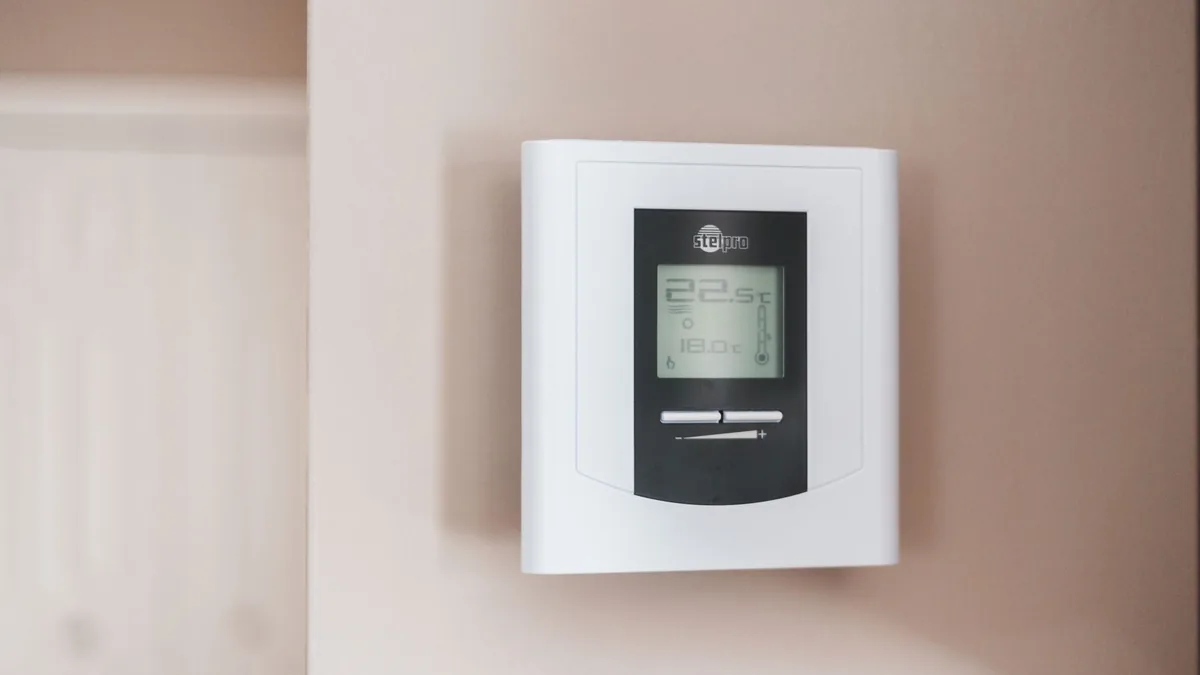
Request instructions for any new thermostat, zoning arrangement or dedicated room system. Ask how normal household use affects the proposal and what maintenance is required. A technically completed installation can still be frustrating if controls are confusing. Make user instruction part of handover so the household understands the intended operation rather than improvising settings after the installer leaves.
Choose the assessment before the product
When contacting an Indianapolis provider, describe the room complaint and ask if it offers the relevant assessment. Confirm the reporting scope and attendance terms. Compare recommendations using their stated findings and promised work. The strongest next step may be further investigation rather than immediate equipment purchase, particularly when proposed solutions address different parts of the problem.
Frequently asked questions
1. Will a larger air conditioner fix the room?
Do not assume that capacity alone addresses a room-specific issue. Ask the professional what evidence supports the recommendation and whether distribution or building conditions were assessed. A replacement should be linked to the actual complaint.
2. Should I close other vents?
Avoid making broad changes based on generic advice. Describe the room pattern and follow equipment-specific professional guidance. Ask the assessor to explain appropriate operation for your system rather than experimenting with settings that may complicate the investigation.
3. What information should I collect?
Keep a short log of affected rooms, timing, thermostat settings and normal occupancy. Add renovation history and relevant service records. Observations help define the appointment without requiring unsafe access or a homeowner diagnosis of concealed ducts.
4. Can a home office change comfort needs?
Tell the assessor about regular occupancy and equipment use. The room should be evaluated for its actual use rather than its former purpose. Ask whether the proposed solution accounts for those conditions and how the conclusion was reached.
5. Do I need a separate room system?
It is one option to evaluate, not an automatic answer. Compare it with supported repairs or distribution improvements. Ask about installation requirements, controls, maintenance and what happens to the existing system’s role in that room.
6. Who checks insulation concerns?
Ask the HVAC provider what it can assess and whether another building specialist is needed. Request a clear explanation of the unresolved question. A referral should not be interpreted as a confirmed defect before the relevant assessment occurs.
7. Should I get more than one estimate?
For a substantial project, comparable proposals can help. Give each provider the same room history and request the findings behind its recommendation. Two different prices may represent different problems being addressed rather than equivalent solutions.
8. Can results be guaranteed in every season?
Ask exactly what any comfort commitment covers and how it is assessed. A brief installation check may not reproduce every condition. Written follow-up terms are more useful than interpreting a general promise as unlimited seasonal performance assurance.
9. Will new controls be easy to use?
Request a demonstration and written instructions for the proposed arrangement. Discuss the household’s preferences before purchase. A system with more settings is not automatically a better fit if normal occupants cannot comfortably manage its operation.
10. What should the final report explain?
It should identify the complaint, relevant findings, completed work and remaining limitations. Keep operating instructions and follow-up terms with the invoice. These records help evaluate whether a later problem repeats the original pattern or introduces a new one.
Sources and related reading
- Building America Solution Center: room return-air assessment context
- Building America Solution Center: compact air distribution
- ENERGY STAR: HVAC quality installation
- Find relevant providers and confirm the specific service directly.
Sources provide general context, not a diagnosis or endorsement. Community discussions, where linked, identify questions rather than verified property conditions. Manufacturer instructions and site-specific professional findings govern the work.