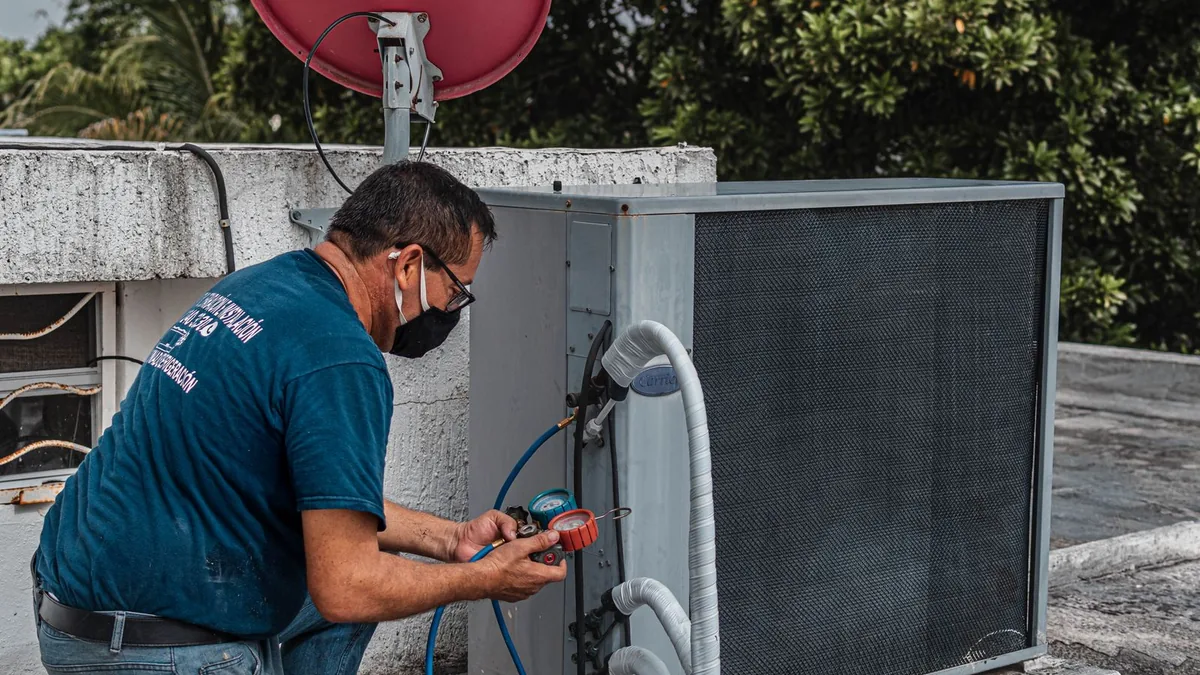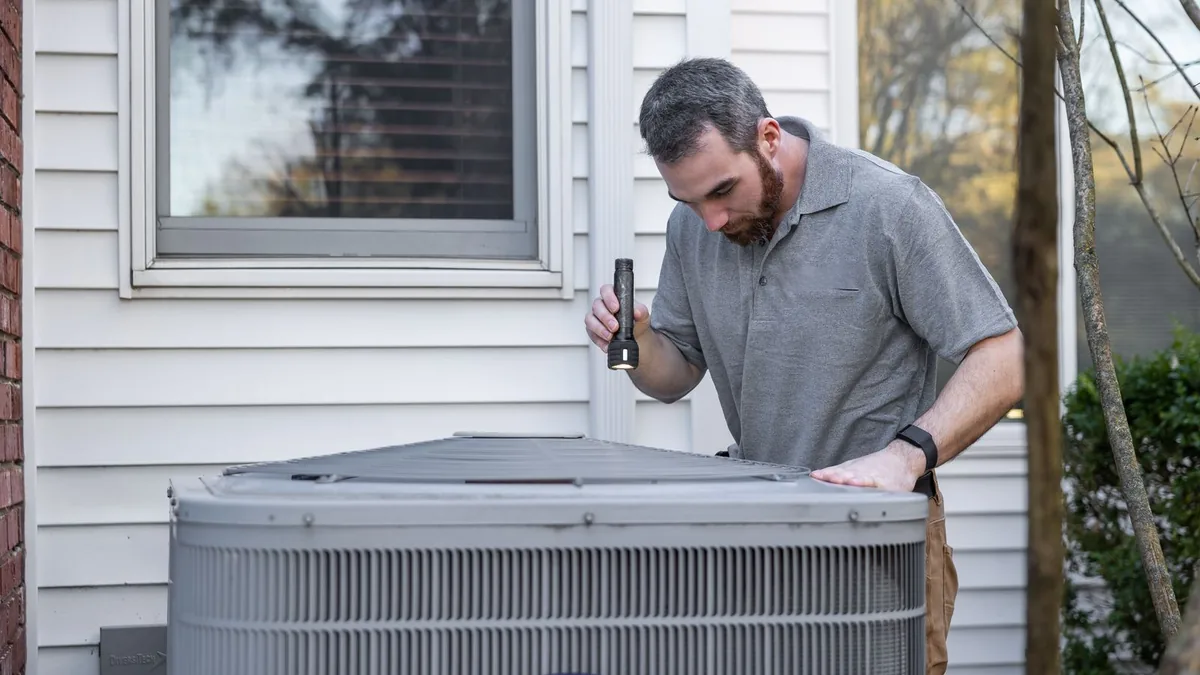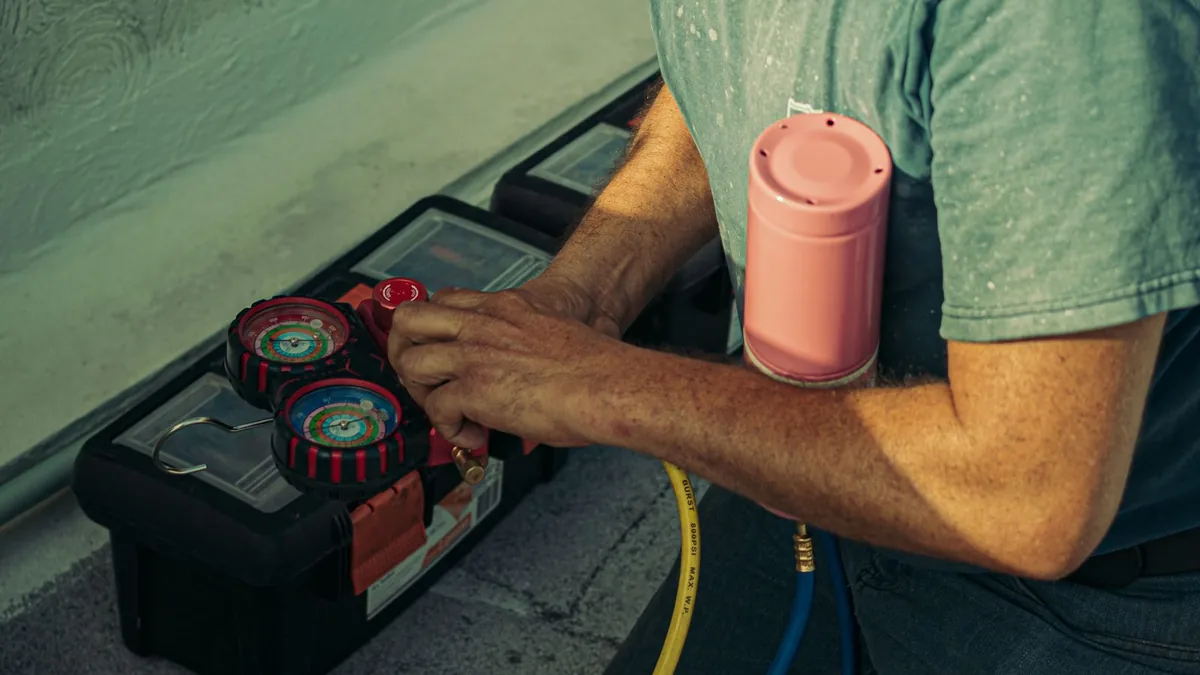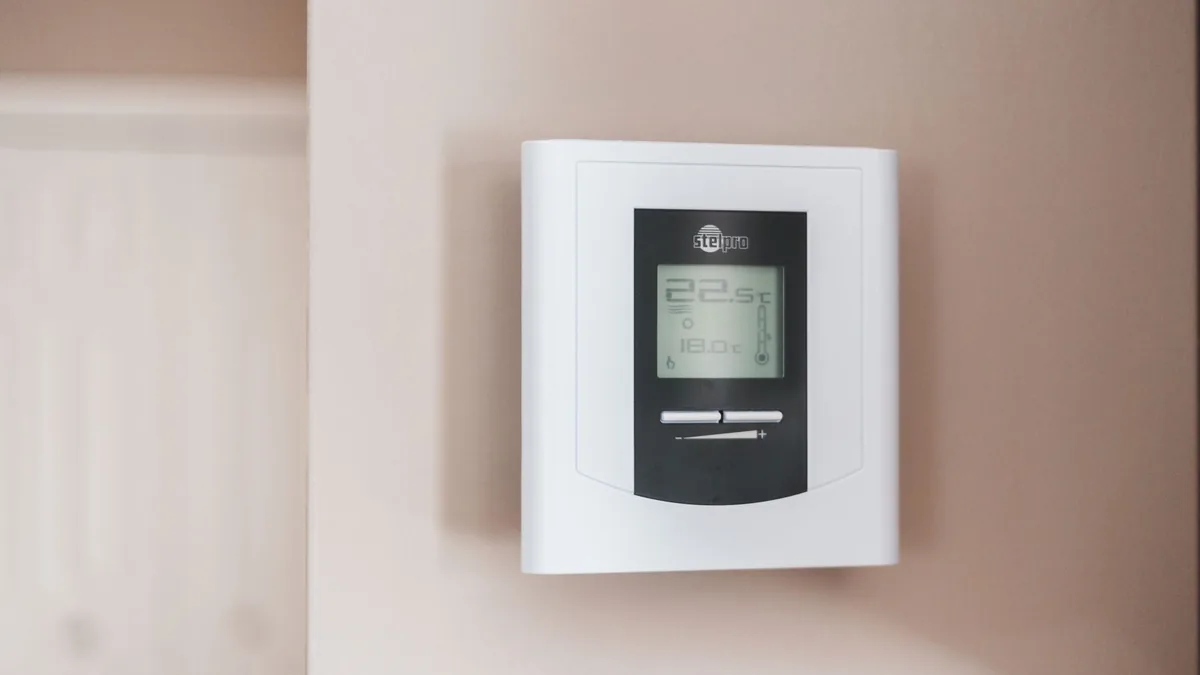
Choosing heating equipment involves more than comparing a furnace label with a heat-pump label. Your existing ducts, electrical supply, fuel connection, comfort preferences and installation constraints affect the decision. Start with a description of the home and request alternatives built around the same heating and cooling needs, so that differences in price have an understandable reason.
An Indianapolis discussion about gas heating versus heat pumps shows why homeowners ask about both comfort and operating expense. Neighbor experiences can identify useful questions, but they cannot predict your bills. This guide organizes those questions before an installer recommends a particular system or financing package.
Identify what you already own
Photograph accessible model labels and collect recent service records. Tell the estimator whether the home has a furnace, heat pump, separate air conditioner or mixed arrangement. Describe additions and persistent comfort problems. Existing equipment identifies the starting point; it does not establish that replacing it with an identical capacity is appropriate for the current home.
Define comfort problems before shopping
Write down rooms that are difficult to heat, unusual noise and periods when the temperature does not match the setting. Explain how you use upstairs rooms, a basement office or an attached addition. An equipment replacement proposal should address those observations rather than treating a new outdoor unit as an automatic solution to every comfort complaint.
Ask for a sizing assessment
Ask how the contractor determines the heating and cooling requirements of the home. Request an explanation of the information used and whether recent insulation, windows or additions were considered. A recommendation based only on the old equipment label leaves important questions unanswered. Keep the assessment with the proposal so competing installers can explain material differences.
Compare the complete equipment combination
For each alternative, request the exact indoor equipment, outdoor equipment and control model. Ask whether existing components remain and how compatibility is established. A price covering a heat pump and retained indoor equipment cannot be compared directly with a quote replacing every component. Require a clear equipment list before comparing discounts or monthly payments.
Understand the proposed backup arrangement
A heat-pump proposal should explain any supplemental heating equipment and how the controls use it. Ask what happens during unusually demanding conditions or a component failure. Do not assume that every heat pump has the same backup arrangement. The useful answer describes the particular combination being offered, including limitations and any necessary changes to the home.
Review ducts and distribution
Ask whether the assessment includes existing ducts, returns and airflow constraints. Explain rooms with closed doors or unusual use patterns. Determine whether duct changes are included, separately priced or excluded. If two estimates recommend different distribution work, ask each provider which observed condition supports its recommendation rather than assuming that more equipment automatically means better comfort.
Clarify electrical and fuel work
Ask which electrical, fuel, venting or drainage work each option requires, and who coordinates it. The estimator should identify relevant inspections and applicable requirements for your address. Do not open electrical enclosures or alter fuel connections to collect information. Missing project responsibilities can create delays and make an apparently cheaper proposal more expensive to complete.
Request an operating-cost comparison with assumptions
If a contractor models future expense, ask for the utility prices, weather assumptions, thermostat schedule and equipment performance used. A comparison should identify uncertainty and distinguish a model from a guarantee. Your past bills provide context, but changes in use and utility prices affect results. Avoid choosing solely on an unsupported promise of a precise annual saving.
Evaluate available incentives separately
Ask whether any incentive is confirmed for the exact equipment, household and installation date. Request the current program source and clarify who submits documentation. Treat an unconfirmed benefit separately from the purchase price. Eligibility, deadlines and funding can change, so a sales slide or a neighbor’s prior rebate does not establish what you will receive.
Compare installation and startup deliverables
Ask what testing, settings, user instruction and written records are included at handover. Specify removal of old equipment, site cleanup and restoration of affected areas. A complete installation description helps distinguish proposals that use similar equipment but provide different work. Get the acceptance process in writing before equipment is ordered or a deposit becomes due.
Separate warranties and maintenance commitments
Read equipment warranty terms alongside the installer’s labor commitment. Ask about registration, required maintenance and charges for later attendance. A service membership is a separate decision unless its scope is included explicitly. Request the documents rather than relying on an impression that the phrase full warranty covers all possible parts, labor and future service visits.
Choose using a side-by-side scope
Build a short comparison with equipment, home modifications, controls, startup, exclusions and total installed price. Add questions that remain unanswered. For an Indianapolis property, confirm the provider serves the actual address rather than assuming a local business ZIP defines coverage. Choose only after the contractor can explain why its proposed arrangement fits your home and priorities.
Frequently asked questions
1. Is a heat pump always cheaper to operate?
No universal answer applies. Ask for a comparison using your equipment proposal, household use and current utility assumptions. A modeled result should disclose those assumptions and should not be presented as a guaranteed future bill.
2. Can I keep my existing furnace?
Ask the installer to assess compatibility and condition. A retained furnace may be part of one proposal, but the exact controls and equipment combination must be explained. Do not assume every outdoor unit works with every indoor system.
3. Does the old unit size determine the new one?
It is useful background rather than a complete sizing method. Changes to the home and unresolved comfort issues deserve assessment. Request the basis for the proposed capacity and ask why competing recommendations differ.
4. Should the cheapest monthly payment win?
Compare the installed scope and total financing obligation first. A smaller payment can reflect a longer term or different included work. Review the financing documents separately from the equipment recommendation and request clarification before signing.
5. Will new equipment solve an uncomfortable upstairs room?
It may not address the underlying distribution or building issue. Tell the estimator about that room and ask what assessment supports the proposed remedy. Require room-comfort promises and relevant exclusions to be explained clearly.
6. Do heat pumps all use the same backup?
No. Ask which supplemental equipment is proposed and how it is controlled. A system-specific explanation matters more than broad claims about heat pumps. Include the backup arrangement in the written equipment and installation schedule.
7. Are rebates guaranteed when advertised?
Confirm current eligibility, equipment requirements and application responsibility before including a benefit in your budget. An advertised maximum is not proof of your eligibility. Keep the program documentation and any installer commitments with the contract.
8. Can the directory verify installation quality?
A directory category does not establish the suitability of a contractor or its proposed design. Confirm the specific service, qualifications relevant to the work and written scope directly. Avoid interpreting inclusion as independent technical endorsement.
9. Should I compare replacement with another repair?
When safe and practical, ask for a documented diagnosis and repair option alongside replacement. Understand remaining uncertainties and the condition of retained components. A clear comparison is more useful than a replacement recommendation based only on age.
10. What records should I keep?
Keep the assessment, equipment list, permits or inspection records where applicable, startup documents, warranty terms and final invoice. These records help with later servicing and clarify what the installer agreed to provide at completion.
Sources and related reading
- Indianapolis heat-pump versus gas discussion — question context only
- Department of Energy: heat pump systems
- ENERGY STAR: air-source heat pumps
- Find relevant providers and confirm the specific service directly.
Sources provide general context, not a diagnosis or endorsement. Community discussions, where linked, identify questions rather than verified property conditions. Manufacturer instructions and site-specific professional findings govern the work.