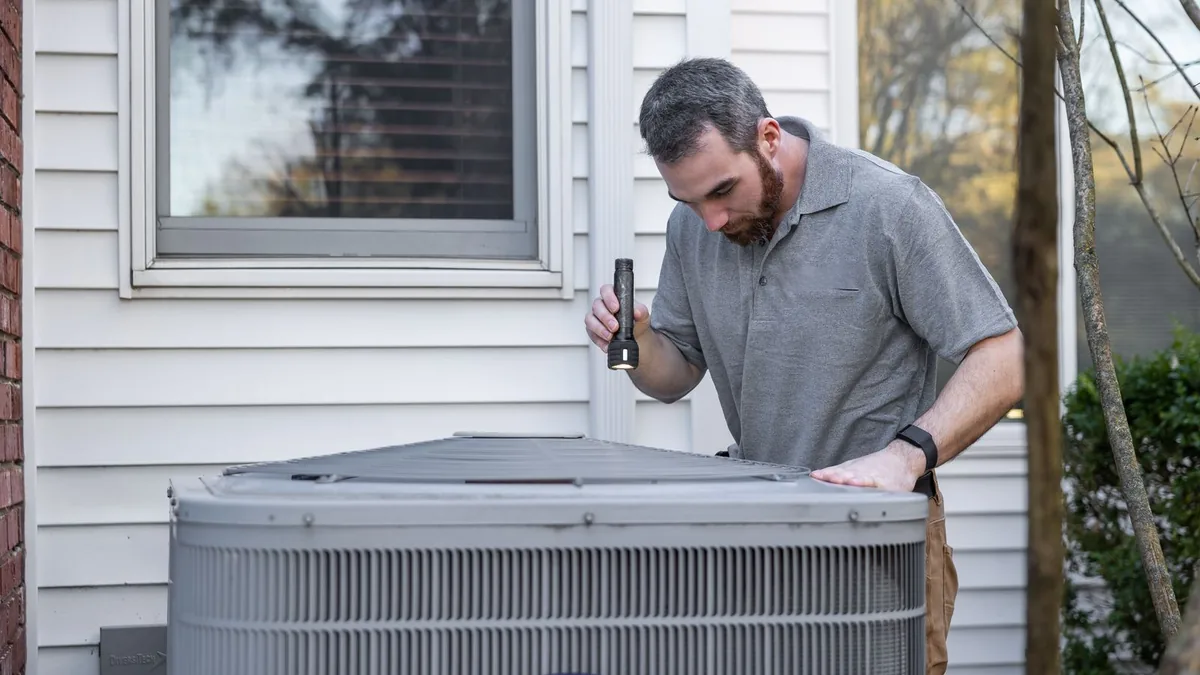
A furnace replacement decision becomes easier when the diagnosis, repair option and replacement scope are separated. First establish what is wrong and whether the equipment can be operated safely. Then consider the condition of the system, the work needed and your household plans. A large estimate alone does not explain why replacement is preferable.
Local HVAC discussions include concerns about sales pressure and difficulty comparing recommendations. Those conversations are useful question prompts, not evidence against a particular company. The checklist below focuses on obtaining a documented assessment and comparing alternatives for your own Indianapolis home without assuming that every older furnace should be discarded.
Put immediate safety concerns first
If you notice smoke, a suspected fuel leak or a carbon-monoxide alarm, leave the affected area and seek appropriate emergency help. Do not keep running the furnace to demonstrate a fault. Describe the concern clearly when contacting a provider. A routine comfort inspection and a response to an immediate hazard require different priorities and cannot be treated as interchangeable visits.
Find the model and service history
Gather accessible model information, previous repairs and any current warranty documents. Explain recurring symptoms and when each earlier repair occurred. A history helps distinguish a single isolated failure from repeated unresolved trouble. Missing records do not prove replacement is needed; they indicate that the provider should explain what can be established during the current assessment.
Request the actual diagnosis
Ask what failed, how the condition was identified and whether other findings remain uncertain. Request photographs or measurements when appropriate and safe for the professional to obtain. A conclusion such as old or inefficient does not by itself describe a defect. Ask the technician to separate safety findings, functional faults and optional improvements in the written explanation.
Understand any operating restriction
If the provider says the furnace should not operate, ask for the reason and any relevant documentation. Do not bypass a safety device or resume operation based on a general online suggestion. Clarify what professional work is needed before use can resume. If you seek another assessment, share the restriction so nobody mistakes it for a routine replacement consultation.
Define the repair alternative
Ask whether a repair is appropriate and what parts, labor and follow-up it includes. Find out whether the recommendation addresses the reported symptom or only one of several concerns. A repair quotation should identify remaining uncertainties. Do not assume that a small repair guarantees years of trouble-free service, or that a large one automatically makes replacement the better choice.
Review condition beyond one component
Ask about retained components, known recurring faults and compatibility with the rest of the heating and cooling system. Explain whether you intend to remain in the home and how much disruption you can accommodate. Your priorities can influence a choice between supported options, but they should not replace a clear explanation of the equipment condition and work required.
Require a sizing explanation for replacement
A new furnace proposal should explain how the capacity was selected for the current home. Mention renovations, insulation changes and rooms that remain uncomfortable. Do not assume copying the old label is the complete assessment. If estimates differ, ask each installer to explain the information behind its selection instead of comparing capacity numbers without context.
List all installation work
Request the exact equipment and identify duct, electrical, fuel, venting, drainage and control work included where applicable. Ask who handles permits and inspections required for the address. A replacement headline price can conceal different scopes. Include removal, access preparation and restoration so the comparison reflects a completed installation rather than just delivery of a furnace.
Compare cash price and financing separately
Obtain the installed price independently of any monthly payment illustration. Read financing terms, fees and the total obligation before deciding. A lower payment can represent a different repayment schedule rather than a cheaper system. Avoid allowing a time-limited sales presentation to substitute for understanding what is included and what remains outside the agreed installation.
Clarify equipment and labor warranties
Ask for the manufacturer terms and the installer’s labor terms as separate documents. Confirm registration responsibilities and any maintenance requirements. A warranty may have limits that matter to future service charges. Get answers in writing rather than relying on phrases such as fully covered, which can be interpreted differently when parts, attendance and labor are considered separately.
Specify startup and handover
Ask what commissioning checks and user instruction are included and which results will be documented. Confirm the thermostat setup and any maintenance tasks appropriate for the homeowner. A replacement should end with a working, explained system and useful records. If a promised comfort issue remains unresolved, use the agreed scope and handover process to identify the next step.
Choose with a written comparison
Compare diagnosis, supported repair, installed replacement scope, exclusions and warranty obligations on one page. Identify unanswered questions before paying a deposit. Check that the provider serves your Indianapolis address and handles the particular equipment. A considered choice is based on the condition and proposal in front of you, rather than a universal age rule or an anonymous recommendation.
Frequently asked questions
1. Does furnace age alone justify replacement?
Age is one consideration, not a complete diagnosis. Ask about condition, repair feasibility, parts support and the installation alternative. The recommendation should explain your equipment rather than relying only on a generic replacement age.
2. Should I obtain a second opinion?
For major work or an unclear explanation, another assessment can help. Share documented findings and any operating restriction. Ask the second provider to explain its own observations rather than simply agree with or dismiss the first estimate.
3. Can I keep using a furnace declared unsafe?
Do not bypass a safety restriction or device. Ask the professional what work and verification are required before operation resumes. A general article cannot establish whether a particular furnace is safe to use.
4. Is repair always more economical?
Compare the full repair scope and unresolved concerns with a properly defined replacement. A small invoice today is not a guarantee about future condition, while a replacement price should include all required installation work before comparison.
5. Should the new furnace match the old capacity?
Ask for the sizing basis for the current home. Renovations and comfort problems deserve consideration. A matching label is not a substitute for an assessment, especially when another contractor recommends a materially different capacity.
6. Can I compare estimates by brand?
Brand alone does not describe the system or installation. Compare model numbers, capacity assessment, controls, modifications and startup. Two offers using the same brand may include substantially different work, warranties and exclusions.
7. What about incentives?
Confirm any current program directly for the exact equipment, household and installation date. Separate an unconfirmed benefit from the contract price. Ask who submits the application and what happens if the expected incentive is unavailable.
8. Should maintenance membership be mandatory?
Read the proposed terms and distinguish optional membership from any specific warranty requirement. Ask what visits, labor or discounts it provides. The useful decision depends on documented obligations and services, not the membership name.
9. What if replacement does not fix a cold room?
Ask beforehand whether the room complaint is addressed by the proposed scope. Distribution or building conditions may need separate investigation. Record the installer’s explanation so expectations are clear before the old equipment is removed.
10. What should the final invoice identify?
Keep equipment details, completed work, startup information, warranty documents and applicable inspection records. The invoice should make clear what was installed and by whom. These records support future servicing and help resolve questions about the original scope.
Sources and related reading
- Indianapolis furnace replacement discussion — question context only
- Department of Energy: furnaces and boilers
- ENERGY STAR: furnaces
- Find relevant providers and confirm the specific service directly.
Sources provide general context, not a diagnosis or endorsement. Community discussions, where linked, identify questions rather than verified property conditions. Manufacturer instructions and site-specific professional findings govern the work.