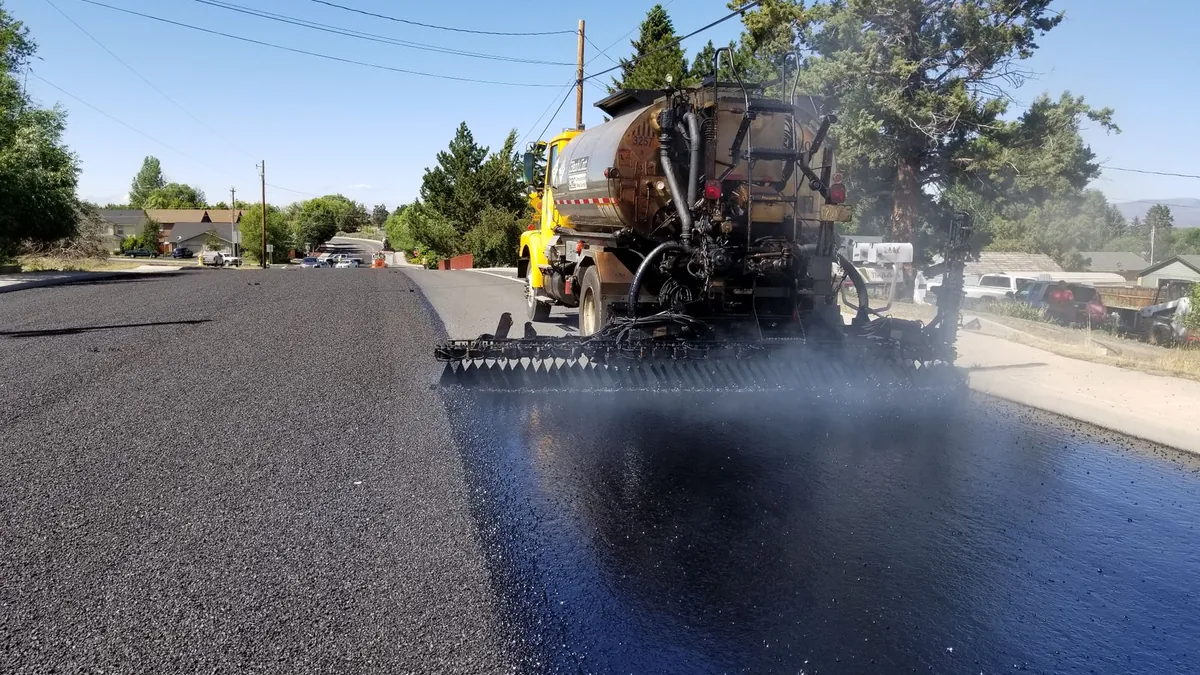
When an asphalt driveway has visible wear, a homeowner may receive offers for sealing, patching, an overlay or full replacement. Those are different scopes, not simply four prices for the same result. An Indianapolis repaving discussion showed residents weighing maintenance against more extensive work. Start with an assessment of the current condition and ask each contractor what its proposed method addresses. A darker finish can change appearance without establishing that an underlying problem has been corrected.
Describe defects by location
Record where cracking, loose material, unevenness and water accumulation occur. Explain vehicle use and any known earlier repairs. Do not diagnose the pavement’s support from a photograph alone. A location-based record helps the contractor inspect the relevant areas and lets you compare whether a proposed patch plan actually covers the defects that prompted your request.
Ask the contractor to name the service precisely
Have the written proposal distinguish surface maintenance, local repair, overlay and reconstruction. Ask what each term means in that provider’s scope. A broad offer to restore the driveway can hide very different work. The agreement should identify existing material retained, material removed and the result intended before you compare the headline price.
Understand the limits of a surface treatment
Ask what the proposed sealcoat is intended to do and what it will not correct. Do not assume a uniform dark appearance establishes sound underlying pavement. If the driveway has more substantial distress, ask why maintenance alone is considered suitable. A provider should connect the recommendation to inspected conditions rather than presenting a cosmetic improvement as universal rehabilitation.
Request local-repair boundaries
For patching, ask which areas are included and how their extent was selected. NAPA’s technical handbook emphasizes preparation in pavement work; use that background to ask for a defined professional scope, not to attempt construction yourself. Ask what happens if removal exposes additional unsuitable material. Any extra authorization process should be clear before work begins.
Evaluate overlay preparation
An overlay depends on the condition and preparation of what remains beneath it. Ask how defects and levels will be addressed before new material is placed. The proposal should explain transitions and areas excluded from the overlay. Do not compare only the new layer’s description while ignoring the existing pavement that the contractor intends to retain.
Clarify loose and finished thickness descriptions
Ask whether any stated thickness refers to material before or after compaction and where it applies. Do not assume two bidders use the same convention. The contractor should specify its design for the actual use and site. A number detached from preparation, material and measurement location is not enough to make two proposals directly comparable.
Review full-replacement scope
If reconstruction is recommended, ask about removal, disposal, base assessment and preparation. Find out which existing features remain and what additional work would require approval. A full-replacement label should not hide uncertainty about the layer below the pavement. Request a clear process for reporting changed conditions rather than discovering an open-ended charge after the old surface is gone.
Discuss drainage and transitions
Explain low areas, garage thresholds, sidewalks and other connecting surfaces. Ask how the finished levels will direct water and meet those transitions. A new layer can change relationships with existing features. The design should address the actual site rather than assuming more material everywhere is automatically an improvement or that the water route will remain acceptable.
Coordinate access during the work
Ask when vehicles and pedestrians can use each area and what weather could change the schedule. Explain shared driveways, deliveries and accessibility needs. Keep instructions for reopening in writing. The surface looking finished does not by itself establish that all intended uses are appropriate, and another project’s timetable should not replace the contractor’s instructions for this installation.
Check business identity and terms
Confirm the actual company, contact information, scope and payment schedule before authorizing work. NAPA offers homeowner guidance on hiring driveway contractors; it does not inspect or resolve your individual contract. Avoid making a decision solely because someone claims nearby leftover material creates a one-time opportunity. A legitimate proposal should remain understandable in writing.
Compare complete project costs
Ask about preparation, disposal, traffic arrangements, related restoration and exclusions. Current quotes for the same area and scope are more useful than old forum prices. If budget limits the project, ask what a smaller defined repair accomplishes and what remains. A cheaper immediate option can still be reasonable when its limits are stated honestly rather than concealed.
Get maintenance and reporting guidance
Request instructions appropriate to the installed work and products, along with warranty and concern-reporting terms. Ask how future maintenance relates to the project rather than accepting a universal schedule without context. Save the original condition record and completion photos. They help a later assessment distinguish an unresolved original area from new damage or a different issue.
Frequently asked questions
1. Does sealcoating fix a damaged base?
Ask what the surface treatment is designed to accomplish. Do not assume a cosmetic change corrects underlying support or major distress. The recommendation should follow an inspection and explain which defects remain outside the maintenance scope.
2. Is an overlay the same as replacement?
No. Ask what existing material is retained and how it is prepared. Replacement usually describes a different removal and reconstruction scope. Compare written boundaries rather than treating the two labels as interchangeable prices for identical work.
3. What does the thickness number mean?
Confirm whether it describes loose or compacted material, where it applies and how the project is specified. Two bidders may describe work differently. A number alone does not establish comparable preparation, design or finished performance.
4. Can patching be a sensible first step?
It can be an option when a professional explains the targeted condition and limits. Ask which areas are included and what remains unresolved. Do not assume patching restores every part of the driveway or guarantees no later work.
5. Should I accept a same-day leftover-material offer?
Do not let time pressure replace checking business identity and written scope. Ask for the actual work, material, preparation and price. A claimed opportunity does not establish suitability for your driveway or the quality of the proposed service.
6. Will an overlay change water flow?
It can change finished relationships with surrounding features. Ask the contractor to address thresholds, sidewalks and existing low areas. The proposal should explain drainage rather than treating an added layer as a purely cosmetic decision.
7. How soon can I drive on it?
Follow the contractor’s written instructions for the specific work, material and conditions. Do not use surface appearance or another homeowner’s schedule as a substitute. Tell the provider about unavoidable access needs before the project is scheduled.
8. Does the paving association inspect my driveway?
NAPA publishes guidance but states it does not provide individual paving services, inspections or residential claim assistance. Hire an appropriate provider for a site assessment and use the written agreement for your specific project.
9. How do I compare a low and high quote?
Compare retained material, removal, preparation, repair areas, finished levels, restoration and terms. Different methods may answer different problems. Ask each contractor to explain its recommendation rather than assuming the price difference represents only profit or quality.
10. What if distress returns after work?
Record the area and follow the written reporting process. Ask how the condition relates to the agreed scope and any exclusions. A clear pre-work record and completion documents support assessment without automatically proving either a defect or unrelated new damage.
Sources and related reading
- Indianapolis repaving-versus-maintenance discussion.
- NAPA homeowner contractor guidance.
- NAPA technical background: overlay preparation.
- Find category contacts and confirm the exact service directly.