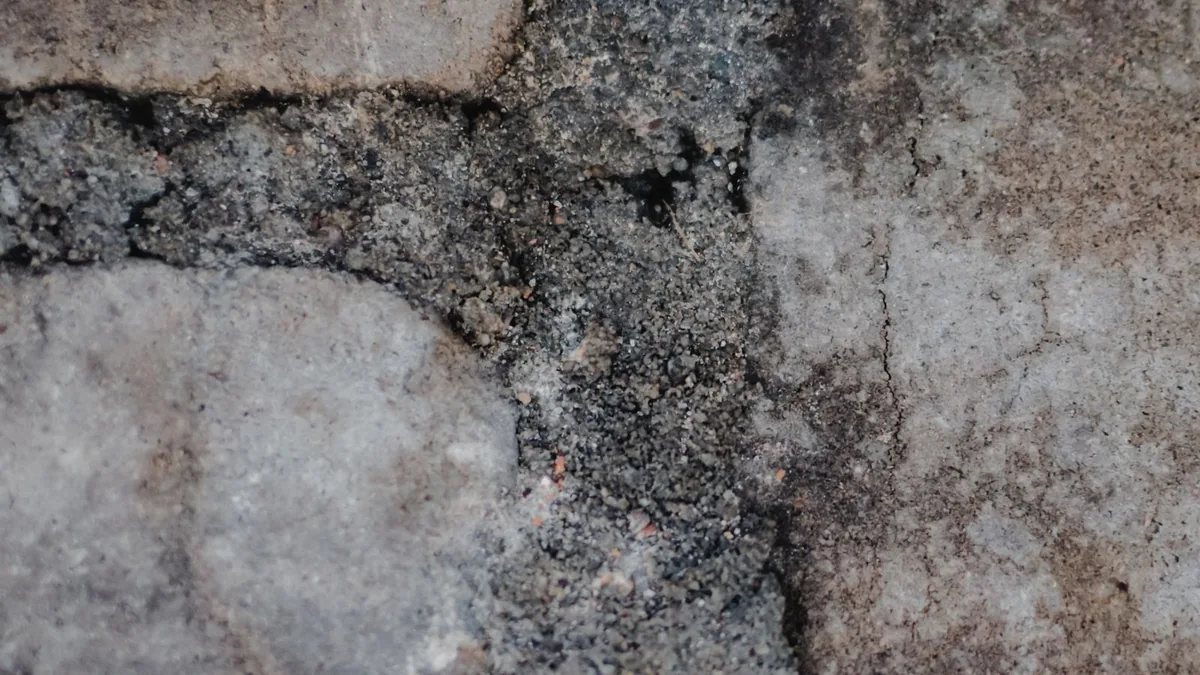
A driveway can look tired for several different reasons, and the best-looking treatment may not address the reason it is deteriorating. Indianapolis residents discussing driveway work often begin with budget and contractor recommendations. A more useful first step is to identify what needs changing: appearance, surface condition, uneven levels, drainage or a more substantial defect. Ask bidders to relate each proposed method to the actual observation rather than using repair and replacement as interchangeable labels.
Create a location-based condition record
Photograph affected areas from a safe position and note where they are on the driveway. Record cracks, loose surface material, uneven sections and water accumulation separately. Avoid deciding the cause from the photograph alone. A location record gives the contractor a starting point and helps compare whether different proposals actually address the same areas and concerns.
Separate appearance from performance
Staining or color variation raises a different question from a moving slab or troublesome water route. Explain which outcome matters to you before asking for a method. A decorative treatment may improve appearance without correcting movement. Conversely, a practical repair may leave a visible difference. Agree on priorities so the finished project is judged against the intended purpose.
Ask what the inspection establishes
Request an explanation of observed defects and any limits to the assessment. If the proposal assumes a support or drainage problem, ask what evidence supports that assumption. Some conditions may need further investigation. A confident sales description is not enough when the proposed remedy depends on a concealed cause that has not yet been evaluated.
Understand patching as a defined local treatment
Ask which locations a patch or crack treatment addresses, what preparation is included and what limitations remain. Do not assume a small-area repair restores the entire driveway to new condition. Request realistic appearance and maintenance expectations. A localized option can be useful when its purpose is clear, but it should not be sold as an unexplained cure for unrelated movement.
Evaluate resurfacing against the existing condition
Ask whether the existing concrete is suitable for the proposed surface system and why. Concrete Network distinguishes surface treatments from remedies for more substantial defects; use that comparison as background rather than a diagnosis. The provider should explain preparation, product compatibility and exclusions. A fresh surface should not conceal unresolved conditions without a clear discussion of the risks.
Ask about uneven sections separately
If a section has changed level, ask whether assessment for lifting, grinding or replacement is appropriate. Those methods are not interchangeable and should be selected for the actual condition. This article does not prescribe a repair. Ask what each proposal changes, how drainage or adjacent transitions are affected and which limitations remain after the work.
Compare replacement boundaries
If replacement is recommended, ask whether it covers one panel, a defined section or the full driveway. Request the reason for that boundary and what happens at transitions. A partial project may have different appearance and performance expectations from a complete replacement. The estimate should identify demolition, disposal and preparation rather than describing only the new concrete area.
Include drainage in the discussion
Tell the contractor where water collects or travels and whether that pattern has changed. Ask how the proposed work affects the route. A new surface elevation can interact with doors, garages and neighboring areas. Do not evaluate only the finished appearance when the reason for the project includes water moving somewhere it should not.
Check access and household disruption
Ask where vehicles will park, how pedestrians reach the home and how deliveries are handled during work and curing. Explain accessibility needs and shared access early. A cheaper proposal can be impractical if it assumes a blocked route you cannot avoid. Put the usable-access schedule in writing rather than relying on an informal estimate made during the sales visit.
Request maintenance and compatibility instructions
Ask what products and routine care are suitable for the repaired or replacement surface. Existing coatings can affect the proposed system, so disclose what you know about earlier treatments. NRMCA publishes technical topics on concrete surfaces and curing; the contractor should still provide instructions for this project. Generic maintenance advice is not a substitute for the installed product’s requirements.
Compare cost on the same defined area
Ask for current written prices with preparation, disposal, treatment boundaries and restoration included. National ranges and forum anecdotes are not offers for your property. A repair-only price and a complete replacement price answer different questions. Request alternatives that state both the immediate work and what further work may reasonably remain outside the chosen option.
Keep closeout evidence and limitations
Save the original condition photos, completed scope, product information and written reporting terms. Ask the contractor to identify any issues left unresolved. If a later concern appears, record its location rather than assuming the entire project failed. Clear before-and-after documentation supports a more informed assessment than memory of how the surface looked on the day of sale.
Frequently asked questions
1. Does every crack require replacement?
No universal rule follows from a crack alone. Ask the contractor about the actual condition, purpose of repair and assessment limits. The appropriate method should address the identified concern rather than rely only on a photograph or an arbitrary online threshold.
2. Can resurfacing fix sinking concrete?
Ask the provider to explain what the proposed system changes. A surface treatment and a level-correction method address different issues. Do not assume that a new coating corrects support, movement or drainage conditions beneath an uneven section.
3. Will a repair match the old surface?
Ask for realistic color and texture expectations and examples when available. A useful practical repair may remain visible. Appearance should be discussed before authorization rather than assumed to be identical because both areas are described as concrete.
4. Is partial replacement possible?
Ask whether a defined section can be addressed and how transitions would work. The answer depends on the condition and project. Compare the proposed boundary, preparation and remaining limitations with any full-driveway alternative before deciding.
5. Should I choose the lowest area price?
Compare the complete scope first. Preparation, disposal, access and restoration can differ substantially. A square-foot number without clear boundaries may hide important exclusions and is not enough to establish that two offers describe the same work.
6. What if water pools near the garage?
Record the location and tell the contractor before choosing a method. Ask how the proposal affects levels and the intended water route. A surface-only appearance improvement may not answer the drainage question that prompted the work.
7. Can old coatings affect a new finish?
Tell the contractor what you know about previous products and ask about assessment and preparation. Compatibility depends on the proposed system and existing condition. Do not assume a new treatment can simply be applied over any unknown residue.
8. When can I park on repaired concrete?
Follow the project-specific written instructions for curing and use. Repair products and replacement concrete can have different requirements. Ask for clarification rather than borrowing a timetable from another driveway or interpreting surface appearance as readiness.
9. Does a warranty cover every future crack?
Read the actual terms and ask about covered conditions, exclusions and reporting. A warranty should not be inferred from a general assurance. Keep maintenance instructions and documentation so any later concern can be assessed against the agreement.
10. What makes a second quote useful?
Give the second provider the same condition record and goals. Ask it to explain why its method differs and what remains unresolved. Two prices are most useful when their areas, preparation, performance expectations and exclusions can be compared directly.
Sources and related reading
- Indianapolis driveway-budget discussion.
- Concrete repair-method coverage comparator.
- NRMCA technical resources.
- Find category contacts and confirm the exact service directly.