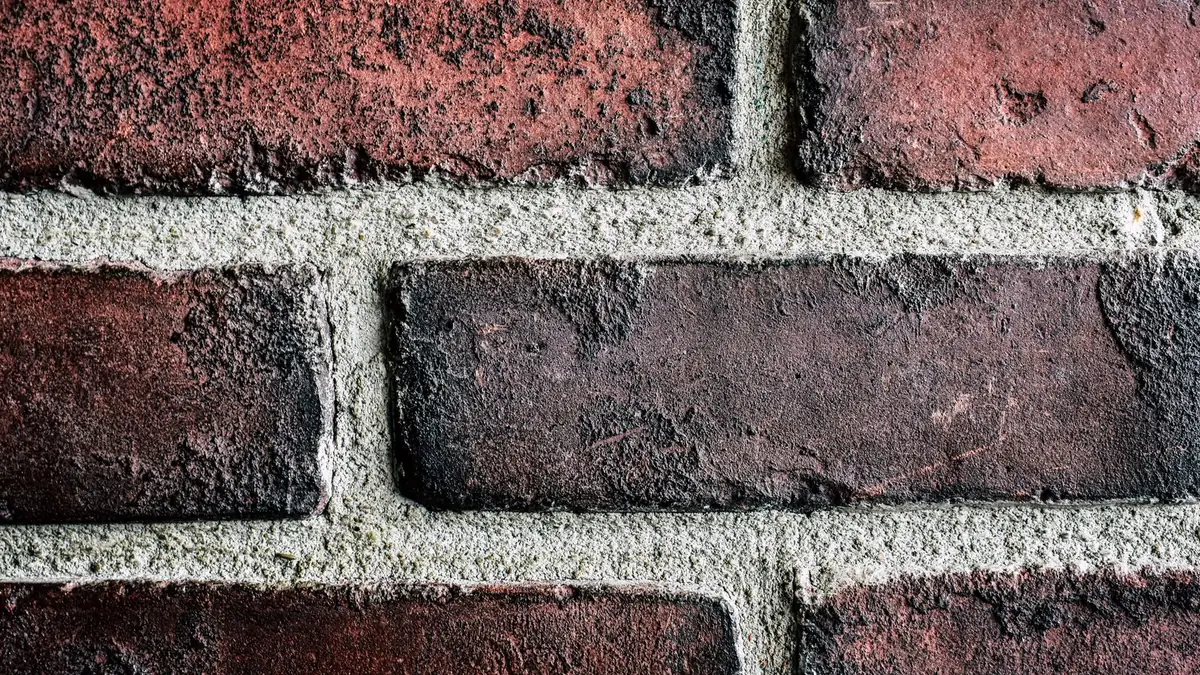
Mortar repair on an older building should be more than choosing a color that looks close. The existing masonry, the cause of deterioration and the proposed material all matter. For an Indianapolis homeowner comparing masonry services, a useful proposal explains which joints need work and why the method suits the building. This guide uses National Park Service preservation guidance as technical background; it does not diagnose a particular wall or claim that every local brick building has the same construction or repair needs.
Describe the observed concern
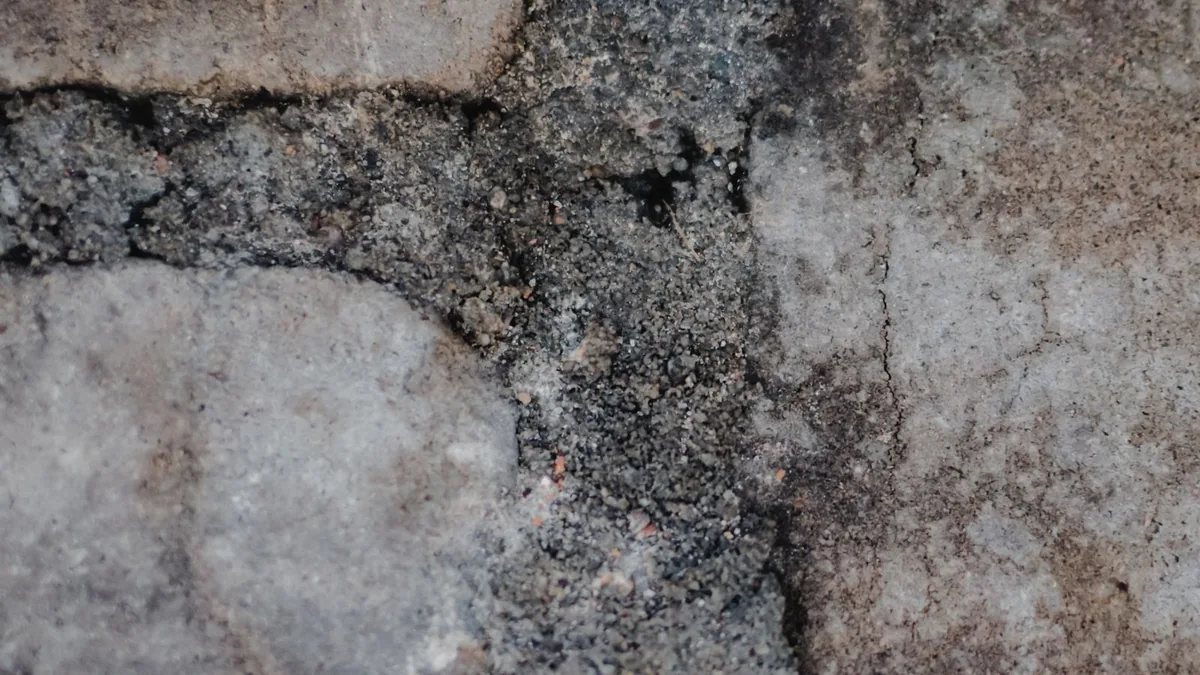
Record missing or crumbling mortar, loose units, staining or cracks by location. Take photographs only from safe ground-level access. Do not climb or remove material to investigate. Ask a mason to distinguish observations from possible causes. A photograph may support an initial conversation, but it does not establish whether the whole wall or only defined areas require work.
Ask what is causing deterioration
NPS preservation guidance emphasizes identifying related problems before repointing. Ask about evidence of relevant water routes, movement or other conditions. A mortar project may need coordination with another repair. Do not assume fresh joints alone resolve every damp-wall or cracking concern, and do not let a visible symptom become an unsupported diagnosis of the building’s foundation.
Clarify the terminology in the quote
Different businesses may use pointing, repointing or tuckpointing loosely in marketing. Ask what the contractor actually proposes to remove, retain and replace. A clear scope matters more than arguing over a label. The written work description should identify the relevant areas and intended result so bids can be compared without assuming the same word means identical work.
Discuss the existing masonry
Ask how the contractor assesses the brick or stone and existing mortar when selecting a repair. Older masonry can need a compatibility conversation rather than a generic stronger-is-better promise. The provider should explain why its proposed material is suitable. This article does not prescribe a mortar recipe or authorize a product solely because it is widely available at a store.
Compare compatibility and appearance
NPS identifies physical compatibility as well as visual matching as important. Ask about those separately: a close color does not answer every material question. Request an explanation in plain language rather than relying on an unexplained mix name. The goal is an appropriate repair for the building, not merely a surface that photographs uniformly on completion day.
Request a small agreed sample when appropriate
Ask whether a sample area can establish expectations for color, joint profile and workmanship before broad work proceeds. Clarify when and how it will be reviewed. A sample should be part of the scope and approval process, not an informal promise. Keep photographs and notes so the finished work can be compared with the actual agreed reference.
Define repair boundaries precisely
Ask for a marked elevation, photographs or another clear description of the joints and units included. Specify whether brick replacement is included or separately priced. A quote for selected areas is not comparable to a full-elevation project without understanding the difference. If additional deterioration is found, establish how the contractor will document and obtain approval for changed work.
Ask how adjacent surfaces are protected
Windows, trim, landscaping and nearby property can be affected by access and debris. Ask what protection and cleanup are included. Do not assume an abrasive cleaning method is appropriate for historic material. If cleaning is proposed, request a separate explanation of suitability and testing rather than treating it as an automatic cosmetic finish to the mortar work.
Review access and public-space constraints
Explain narrow side yards, occupied entrances and any shared access. Ask about equipment placement and the responsibility for permissions or approvals. Keep people away from loose or potentially falling material. This guide does not determine whether a particular scaffold, access arrangement or local approval is required; the responsible professionals must plan for the actual building and work.
Keep structural concerns separate
If the inspection identifies movement, unstable material or another significant concern, ask who should assess it before a cosmetic repair proceeds. A repointing estimate is not automatically a structural opinion. Do not accept either a reassuring patch or an alarming replacement claim without understanding the evidence, relevant expertise and limits of the assessment.
Confirm weather and curing arrangements
Ask how the contractor schedules and protects the work and what conditions may delay it. Request appropriate care instructions rather than applying a generic timetable yourself. The method needs to suit the chosen materials and actual conditions. A realistic schedule should leave room for protection and completion requirements instead of promising an inflexible finish date regardless of circumstances.
Document completion and future maintenance
Keep the scope, sample approval, material description, completed photographs and reporting terms. Ask what remaining concerns need separate work and how future deterioration should be reported. A clear closeout helps later contractors understand what was changed. It should not be presented as an unlimited declaration that every part of an older masonry building is now problem-free.
Frequently asked questions
1. Is stronger mortar always better?
No general stronger-is-better rule fits older masonry. Ask how the proposed material is compatible with the existing units and mortar. Color matching alone does not explain the physical suitability of a repair for the actual building.
2. Does repointing fix a leaking wall?
It may address a relevant defect, but the cause needs assessment. Ask what evidence links the proposed work to water entry and what other repairs remain. Fresh mortar should not be sold as a universal remedy for every damp area.
3. Should the entire wall be repointed?
Ask the mason to explain the condition and proposed boundaries. Selected-area and full-elevation scopes can differ substantially. A broad recommendation should be supported by observations rather than assumed necessary because a few joints show deterioration.
4. Can a mortar color match guarantee compatibility?
No. Appearance and physical properties are different questions. Ask the contractor to explain both and consider an appropriate sample area. A visually pleasing result does not independently establish that the material suits the masonry.
5. What is the difference between tuckpointing and repointing?
Terminology can vary in everyday sales language. Ask exactly what existing material will be removed and replaced and how the finished joint will look. A clear written task description is more useful than assuming a label defines the entire method.
6. Should brick replacement be included?
Only if the assessment and agreement call for it. Ask which units are affected and why replacement is recommended. Keep that work distinct from joint repair so quantities, matching expectations and any additional charges can be understood.
7. Can the contractor pressure-clean the wall afterward?
Ask about the proposed cleaning method and its suitability for the actual masonry. Historic material can require particular care. Cleaning should not be an unexplained extra or a substitute for assessing why staining or deterioration occurred.
8. Do cracks mean the foundation is failing?
A crack alone does not establish that diagnosis. Ask what the observation suggests and whether appropriate structural assessment is needed. A mortar-repair quote should not be treated as a complete evaluation of every possible movement concern.
9. What should a sample area establish?
Agree on its location, size and review process, including appearance and joint profile. Keep the approved reference documented. The sample helps communicate expectations, but it does not replace the broader material and condition assessment.
10. What documents should I keep?
Save the marked scope, sample approval, material information, completion photos and maintenance instructions. Note unresolved or excluded areas. Those records help a future provider assess changes without assuming the whole building received identical work during one project.
Sources and related reading
- NPS preservation brief on repointing.
- NPS brick masonry problems.
- NPS preservation resource index.
- Find category contacts and confirm the exact service directly.