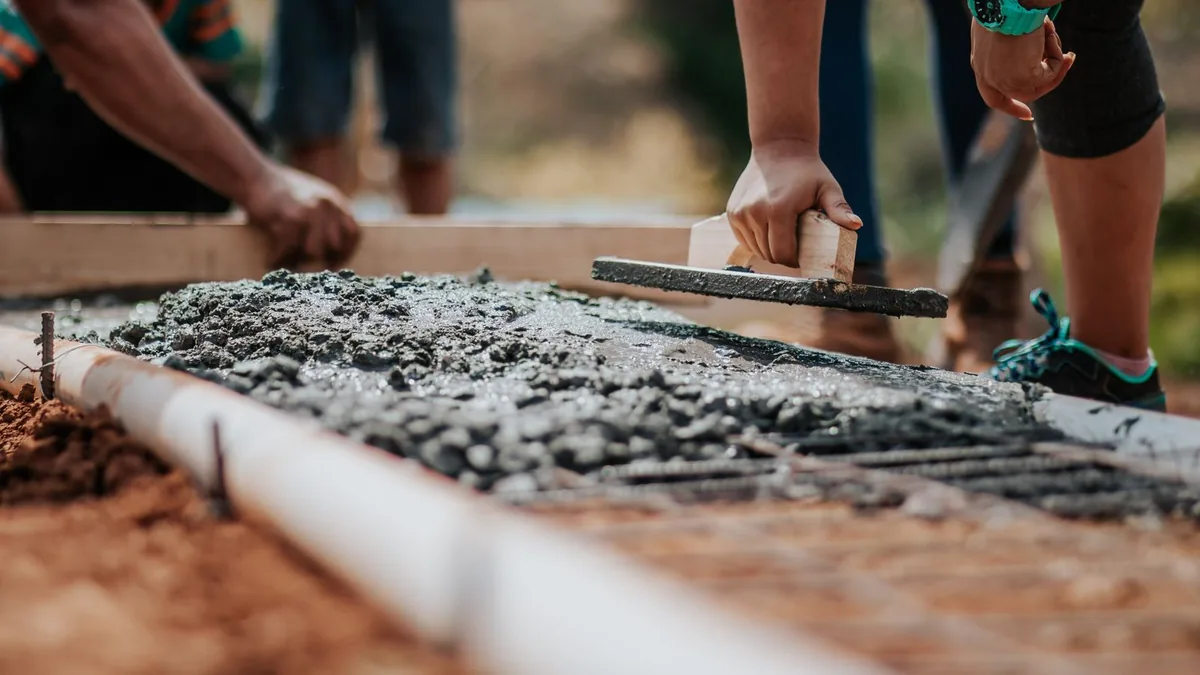
A plain slab can still be a carefully specified project. An Indianapolis discussion asked about adding a basic backyard patio rather than an elaborate decorative installation. The practical lesson is that simple appearance does not remove questions about preparation, access, drainage and handover. Give every bidder the same intended use and approximate layout, then ask it to explain the complete scope before comparing price. A rough rectangle on a message is a starting point, not a finished project specification.
Describe how the patio will be used
Tell the contractor about seating, normal foot traffic and any unusual proposed loads or features. A patio intended for furniture is a different planning conversation from a structure supporting heavy equipment or a future enclosure. Do not add those uses after design without asking for review. The proposal should reflect the actual intended project rather than a generic slab package.
Agree on dimensions and boundaries
Mark the desired area with the contractor and request a drawing or clear dimensioned description. Include awkward corners, existing steps and adjacent structures. A quote based only on an estimated total area can hide differences in shape and access. Confirm what happens if the final layout changes, including how extra work is priced and approved.
Discuss levels and drainage
Ask how the proposed surface relates to the house, doors, lawn and existing pavement. The contractor should explain the intended water route and relevant limitations. Do not specify a slope from a general internet rule without considering the site. A visually level-looking patio is not the only goal when doors, drainage and adjacent surfaces need coordination.
Identify excavation and preparation work
Ask what will be removed, how the base will be assessed and what the proposal assumes about existing conditions. Get an explanation of additional charges if unsuitable material is found. The finished concrete surface is only part of the project. Comparing two quotes without their preparation assumptions can make substantially different construction scopes look like the same basic slab.
Check delivery and equipment access
Tell the bidder about gates, narrow yards, fences and overhead obstacles. Ask where equipment will travel and what protection or restoration is included. If access needs a neighbor’s permission, resolve that before scheduling. Do not assume the quoted price covers every access method when the contractor has not yet seen how the backyard can be reached.
Ask about relevant approvals and utilities
Have the contractor identify current approval, utility-location and property constraints applicable to the work. Verify unclear requirements with the appropriate authority. This article does not determine whether a permit is required for your exact project. An estimate should not treat underground conditions or an uncertain property boundary as something to discover only after excavation starts.
Request the proposed concrete specification
Ask the contractor to describe the material and construction specification appropriate to the site and use. Do not choose solely by a mix label or ask for an arbitrary specification from a forum. A qualified provider should explain the basis of its recommendation and what documentation accompanies the work, including any relevant delivery or project records.
Understand joints as a design detail
Ask where joints are planned, what their purpose is and how they affect appearance. NRMCA’s Concrete in Practice series includes guidance on joints and other slab topics. Use that as background for questions rather than a do-it-yourself construction plan. An assurance of no cracks ever is not a substitute for an understandable design and realistic written terms.
Choose the finish deliberately
Ask what the proposed plain finish looks like and how it suits outdoor use. Review a sample or comparable completed project when available. Color and texture expectations should be discussed before placement rather than after the slab has hardened. A simple finish still benefits from a clear agreement about what is included and what variation may occur.
Get curing and use instructions
Ask how the contractor will manage curing and protection and what you must do afterward. Request written instructions for walking, furniture and later maintenance. Do not assume another household’s waiting period applies to this installation and conditions. The completion handover should tell you when and how the patio may be used rather than leaving that decision to guesswork.
Separate cleanup from landscape restoration
Confirm disposal of removed materials, cleanup of access routes and restoration of disturbed lawn or beds. Ask which elements are excluded. A construction crew may leave a clean slab while grading, planting or fence replacement remains another scope. Include those practical costs when comparing proposals instead of discovering them after the major work is complete.
Define inspection and concern reporting
Ask how the final work is reviewed and how issues should be reported under the written agreement. Keep the layout, specifications, photographs and maintenance instructions. If a concern arises, describe the location and change factually. A useful closeout record makes later discussions about drainage, finish or performance more specific than a general claim that the patio is not right.
Frequently asked questions
1. Is a plain patio just concrete by the square foot?
No. Access, preparation, layout and related restoration can affect the scope. Ask what the area price includes and which assumptions remain. Two similarly sized patios may require different work before the concrete is even placed.
2. Should the contractor visit before a firm quote?
Ask how site conditions will be assessed and what makes the price final. Photographs may support an initial estimate, but access, levels and preparation assumptions need clear treatment before you rely on a fixed project scope.
3. Can I add a heavy feature later?
Discuss intended loads before construction and obtain appropriate review if plans change. A patio designed for ordinary use should not automatically be assumed suitable for every heavy feature, enclosure or additional structure you may later consider.
4. Does a basic finish mean no joints?
Ask the contractor to explain its joint plan and purpose. A plain appearance does not remove construction considerations. Avoid choosing a provider solely because it promises a seamless surface without explaining design, limitations and written performance terms.
5. Will the quote include grass repair?
Confirm restoration explicitly. Concrete construction, disposal and lawn or planting work can be separate. Ask what the access route will look like afterward and include excluded restoration costs when comparing otherwise similar estimates.
6. Do I need a permit?
Confirm current requirements for the actual property and project with the contractor and appropriate authority. This article does not determine approval requirements or property rights. Do not rely on a general forum answer for a site-specific decision.
7. How soon can furniture go on the patio?
Follow the contractor’s written curing and use instructions for the installation and conditions. Do not substitute another project’s schedule. Ask for clarification before placing heavy or concentrated loads if the handover instructions are unclear.
8. Can concrete be guaranteed never to crack?
Be cautious about an absolute promise. Ask about the design, relevant limitations and written remedy terms. A useful agreement explains how concerns will be assessed rather than replacing practical construction detail with an unlimited verbal assurance.
9. What if the final size changes?
Get a revised layout and price before the change is built. Small-looking adjustments can affect preparation, quantity and details. A written authorization avoids confusing an initial approximation with the final agreed project boundaries.
10. What records should I keep?
Retain the dimensions, scope, specifications, change approvals, photographs and maintenance instructions. Keep warranty and reporting terms with them. Those records help a future contractor understand the patio and make any performance discussion more precise.
Sources and related reading
- Local plain-patio planning discussion.
- NRMCA Concrete in Practice technical topics.
- Competitor construction coverage.
- Find category contacts and confirm the exact service directly.