A lawn service can be dependable and still be a poor match for the schedule you need. Before choosing a provider, decide whether you want a fixed recurring program, flexible visits or occasional help. Then compare what happens when weather, slow growth or access problems interrupt the plan. Reliability is easier to assess when the expected service is explicit.
A March 2026 Indianapolis discussion described difficulty finding a mowing company willing to offer a less frequent arrangement. That is a practical service-fit question, not proof that one frequency is best for every lawn. This guide helps you define the arrangement before agreeing to a season-long commitment.
Describe the lawn rather than only the address
Tell the provider about approximate maintained area, fences, slopes, obstacles and separate sections. Mention whether parking or equipment access is limited. A property address helps locate the job, but it may not show the current conditions. The quote should reflect what the crew will actually maintain rather than assumptions from an old image.
Separate mowing from broader lawn care
Ask whether the service includes only cutting or also edging, trimming and clearing clippings from agreed surfaces. Fertilizer, weed treatment, aeration and landscape-bed maintenance may be separate services. Do not assume a business described as lawn care offers every component. Mark the boundaries so later requests are not mistaken for included recurring work.
Discuss frequency and seasonal flexibility
Explain whether you need weekly, less frequent or as-requested attendance. Ask how the provider decides when conditions warrant a change. Do not select a schedule solely because it is the only package advertised. A suitable agreement should explain the relationship between recurring availability, the lawn's condition and any minimum seasonal commitment.
Understand the regular service window
Ask whether the crew promises a particular day, a broader window or an arrival notice. Explain any genuine access restrictions. A flexible route can be reasonable, but it should not conflict with locked gates, tenant arrangements or household needs. Agree on how schedule changes are communicated rather than expecting an exact arrival without confirmation.
Ask about rain and unsuitable conditions
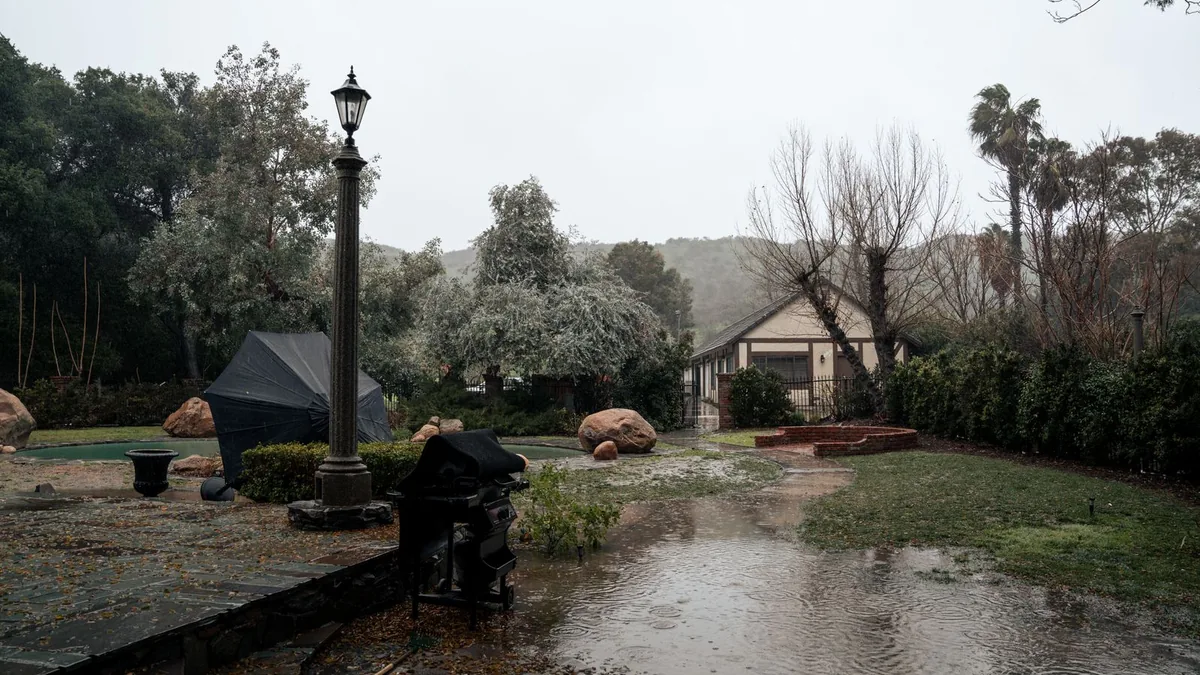
Find out how postponed visits are rescheduled and whether billing changes. Ask what happens if several delayed visits lead to a different scope when the crew returns. Do not pressure workers to operate in unsafe conditions simply to preserve a calendar date. A clear policy is better than conflicting assumptions about what a missed week means.
Clarify long-grass and first-visit charges
Tell the provider the current condition and ask whether the initial visit differs from recurring service. Request approval before additional work or charges beyond the agreed scope. A photograph may help when safely taken, but ask whether the estimate remains provisional until arrival. Understand the pricing rule rather than discovering it after the lawn is cut.
Plan gates, pets and stored items
Agree on access arrangements and responsibility for moving items from the work area. Keep pets and people out of equipment operations as directed by the provider. Do not assume the crew will enter an occupied pet area or handle personal belongings. A simple preparation routine can prevent a skipped visit or an avoidable safety concern.
Discuss fragile and private features
Identify irrigation, landscape lighting, invisible fencing and vulnerable objects where relevant. Ask how the crew avoids damage and reports an incident. Do not rely on informal assurances that equipment never causes problems. Clarify the business's responsibility and insurance information directly without treating a directory listing as verification of coverage.
Choose how clippings and leaves are handled
Ask whether the quoted service leaves, collects or otherwise handles clippings and whether leaf removal is separate. Confirm where material may be placed appropriately. Do not assume every recurring mowing visit includes hauling seasonal debris. Compare the actual outcome you want rather than using the same service name for different cleanup expectations.
Review billing and cancellation terms
Ask whether payment is per visit, monthly or under another arrangement and how skipped or cancelled visits are handled. Read any minimum term before paying for a season. This guide does not interpret legal obligations; the practical aim is understanding when charges occur and how either party communicates a requested change.
Check service continuity and communication
Find out who handles messages if a worker is unavailable and what happens when the regular crew changes. Ask how quickly the business expects to acknowledge a concern without demanding an unsupported guarantee. A clear contact and practical escalation route can matter more than an attractive opening offer that leaves nobody accountable for follow-up.
Review the first visits against the agreement
Compare the completed areas, cleanup and communication with the scope while the details are fresh. Raise specific concerns politely and keep the response. If the arrangement does not fit, use the agreed change or cancellation process. A recurring service is easier to improve when expectations are concrete rather than based on an undefined standard of perfect care.
Frequently asked questions
1. Is weekly mowing mandatory?
It depends on the provider's offering and the lawn's needs, not a rule established by this article. Ask whether flexible or less frequent service is available and what conditions apply. A company may have a fixed program that simply does not match the arrangement you are seeking.
2. Does mowing include trimming and edging?
Check the written scope. Some providers bundle them; others define a narrower visit. Ask which edges, obstacles and surfaces are included. Comparing totals without those boundaries can make two different services appear interchangeable even though the finished result and labor are not the same.
3. What happens when it rains on my service day?
Ask how the provider reschedules and communicates postponements. Clarify billing and any effect of extended intervals on the next visit. Do not assume a missed day means either a free service or an automatic extra fee without reading the arrangement you actually accepted.
4. Can I request the same worker every time?
Ask about the company's staffing and continuity policy. It may offer a consistent crew without guaranteeing one individual. Explain any access instructions that should survive a staffing change. A reliable written property note is useful even when the same person usually attends.
5. Should I leave the gate unlocked?
Agree on a safe access method with the provider rather than following a general online instruction. Consider household security, pets and other occupants. Ask how the crew confirms the gate is closed afterward and what happens if the agreed access is unavailable on a scheduled visit.
6. Can a first visit cost more?
It can involve different work if the current condition differs from normal recurring maintenance, but the provider should explain its pricing. Disclose the condition and request authorization before extras. Do not assume an old advertised recurring rate is a firm offer for an overgrown first appointment.
7. Is leaf removal part of mowing?
Ask explicitly. Seasonal cleanup can involve different equipment, handling and disposal from a mowing visit. Define whether the recurring service includes any leaf work and what would be separately quoted. The same business offering both services does not make one automatically included in the other.
8. How should I compare seasonal prices?
Compare the term, included visits, weather policy, scope and cancellation process. A monthly amount may not represent the same number of services as another offer. Obtain current quotes for your property rather than assuming a forum price from another neighborhood or year should apply unchanged.
9. Does the directory verify insurance?
Do not infer coverage from inclusion alone. Ask the business for current information relevant to the work and verify details as appropriate. The directory helps you find contacts; hiring decisions require checking the actual service, contracting entity and claims that matter to your property.
10. What should I report after an unsatisfactory visit?
Describe the specific agreed area or task that appears incomplete, with safe photographs if useful. Reference the scope and ask about the provider's follow-up process. A precise report is more actionable than a general complaint, and it helps distinguish a missed task from a service you never purchased.
Sources and related reading
- Indianapolis discussion about mowing frequency.
- Purdue Extension: lawn seasonal considerations.
- Find relevant directory contacts. Confirm the exact service with the business.
Prepared as consumer decision guidance, not a diagnosis, engineering plan, legal opinion or guarantee of project results. Public discussion supplies question context, not independent proof about vendors or every Indianapolis property.