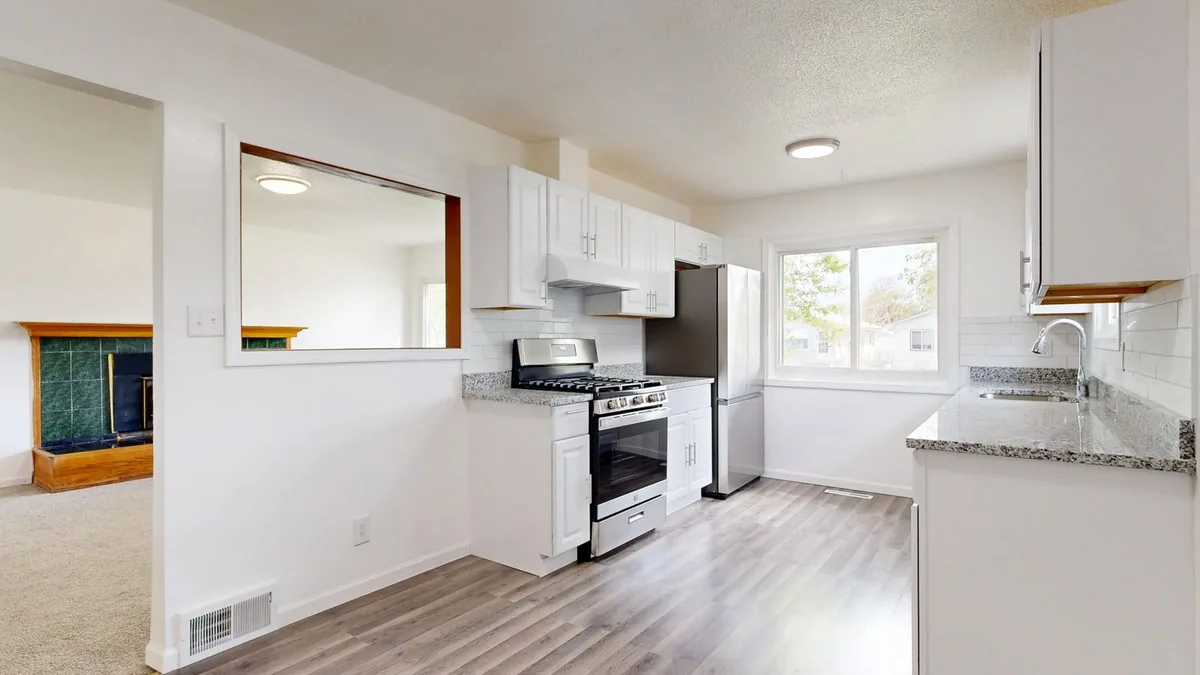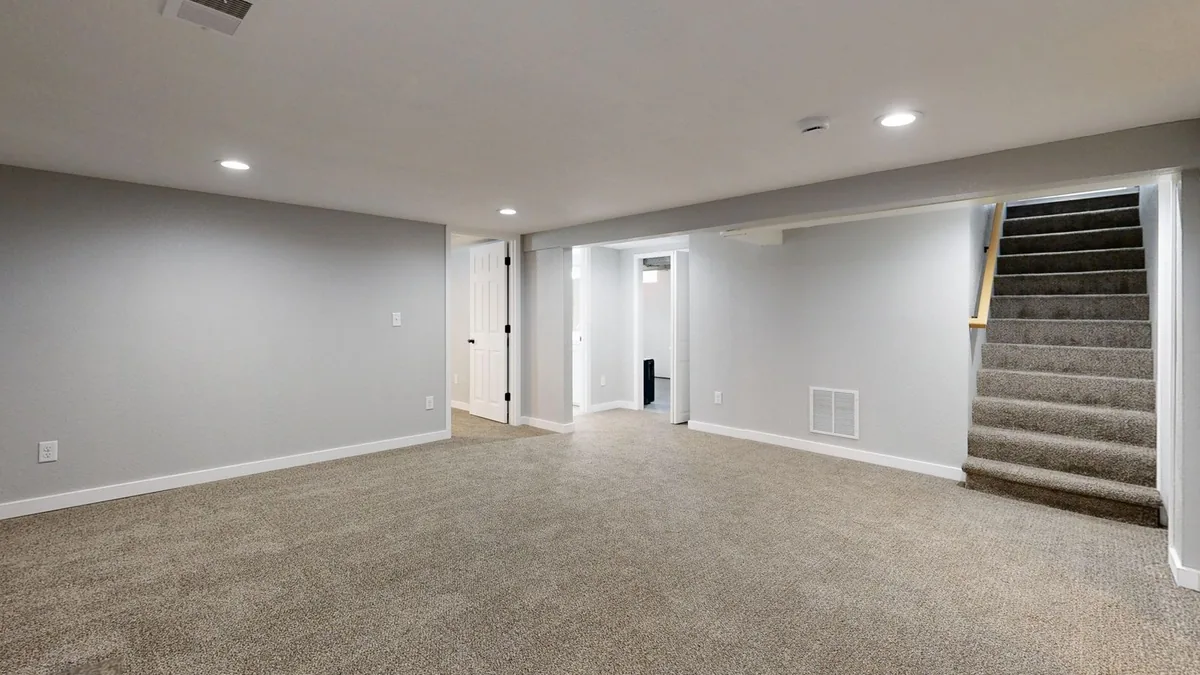
A remodel rarely becomes easier when important decisions remain unwritten. The original scope, product choices and responsibility for uncertain conditions should be understandable before work starts. When a change becomes necessary, the household and contractor need a shared record of what changes, what it costs and what happens to the schedule.
A local kitchen-remodel discussion focused on reliable quoting rather than an unrealistically low opening number. That concern applies to bathrooms, interior renovations and other occupied-home projects. This article describes a practical communication system, not a legal interpretation of a contract. Obtain appropriate advice if you need to understand rights, remedies or a disputed agreement.
Start with a versioned scope
Keep one dated description of the agreed work, drawings and selections. Identify earlier documents that have been superseded. A photograph sent during an early conversation may express an idea without becoming the final specification. Ask the contractor to confirm which documents control the planned work so changes can be recognized against an actual baseline.
List decisions still outstanding
Create a selection list with the person responsible and the date each choice is needed. Include product lead times where the contractor can substantiate them. Missing selections can affect cost and sequence without indicating that anyone acted improperly. Making them visible helps the household avoid confusing an unresolved preference with an unexpected construction defect.
Distinguish an allowance from a firm item
Ask how each allowance is defined and adjusted under the agreement. Record the assumed quantity, product level and included labor. When the selection is made, ask for the resulting difference before ordering. An opening estimate with small allowances should not be treated as the same finished scope as a bid with final products specified.
Name the person who can approve changes
Tell the contractor who can authorize additional work for the household. Establish the project contact on the contractor's side as well. Family members may discuss ideas without intending to purchase them. A clear approval route helps prevent an informal request to a worker from becoming a disputed instruction that affects other trades.
Separate discoveries from preferences
A concealed condition and a homeowner's new design preference can both change the work, but they should be recorded differently. Ask for photographs or findings supporting a discovery and a description of available next steps. For a preference change, identify the original item being removed as well as the new item being added.
Ask for the price basis
A change should explain whether it is a fixed addition, an allowance adjustment or another agreed pricing arrangement. Ask which labor, materials, disposal and related work are included. If the amount cannot yet be determined, agree on the investigation or approval limit first. Do not let an unclear label substitute for understanding the financial commitment.
Include credits and deleted work
When an original item is removed, ask how that affects the price and what work has already occurred. A change record should not describe only additions if the scope also shrinks. Restocking, custom orders or completed preparation may matter, but the contractor should explain their relevance rather than assuming you understand the internal purchasing history.
Discuss schedule effects separately
A product change can affect more than the day it is installed. Ask about measurement, ordering, trade rescheduling and any impact on room availability. Record an updated sequence where appropriate. A price approval without discussion of timing may leave the household expecting an original completion date that no longer matches the agreed work.
Set a process for urgent conditions
Before demolition, ask how the contractor will contact you if a condition requires a prompt decision. Establish an appropriate stopping point and documentation process. Do not use this article to direct unsafe temporary work. The contractor and relevant qualified trades should explain what is needed to make the site safe while the next scope is considered.
Keep one accessible change log
Number changes and record their status as proposed, approved, declined or completed. Link each to the relevant estimate or message. This need not be complex software; a well-maintained document can be enough. The useful feature is that both parties can distinguish an idea under discussion from work that has actually been authorized.
Review invoices against approvals
Ask the contractor to reference approved changes clearly on invoices. Resolve questions while the underlying records are easy to retrieve. Do not assume every difference is an error, but do not ignore a charge you cannot connect to the agreement. A factual document review is more productive than reconstructing a busy project's history from memory.
Close the project with a final reconciliation
Request the final scope, approved changes, allowances reconciliation and unfinished-item list together. Retain product and warranty information separately from payment records. If a disagreement remains, use the appropriate advice and dispute process for the actual agreement. Directory guidance can help organize questions but cannot determine the legal result of a particular project dispute.
Frequently asked questions
1. Is a change order only for expensive work?
Any change that affects agreed scope, cost or timing benefits from a clear record. The form can be proportionate to the project, but both parties should understand authorization. A small undocumented change can still create confusion when several similar requests accumulate during a longer remodel.
2. Can I approve changes verbally?
Ask how your actual agreement defines approval and obtain appropriate advice if uncertain. Practically, a written record reduces misunderstandings about price and timing. Do not assume that an informal conversation with any worker communicates the same instruction to the project manager, supplier and other trades.
3. What should a change description contain?
Identify the original scope, proposed revision, reason, included work, price basis and schedule effect. Name the approving parties and date. Attach relevant drawings or selections where needed. The goal is an understandable record rather than a short label that only one person knows how to interpret.
4. Why can an allowance change the final price?
An allowance leaves an amount or selection to be resolved under the agreement's terms. Ask what was assumed and how the actual choice is reconciled. Do not treat it as proof of a guaranteed final product price until the selection, quantity and adjustment method are clear.
5. Should a deleted item create a credit?
Ask how deleted work is handled under the agreement and what costs have already been incurred. The answer can depend on purchasing and completed preparation. Request an explanation and record it alongside additions so the total reflects the complete change rather than just the new item.
7. Can a change affect completion without adding much cost?
Yes, timing can depend on ordering and trade coordination as well as the amount of labor. Ask for the specific sequence effect rather than assuming price predicts delay. A small product substitution may still require revised measurements or availability checks before related work can continue.
8. Who in the household should approve revisions?
Choose a clear authorized contact and tell the contractor. Other household members can contribute ideas, but approval responsibilities should not be ambiguous. If the authorized person is unavailable, agree on a practical backup arrangement before construction rather than improvising during an urgent site decision.
9. Do I need special project software?
Not necessarily. A dated shared document or organized file system can track scope, selections, approvals and invoices. Use a method both parties can maintain. A sophisticated application is not helpful if decisions remain in unrelated messages and nobody knows which proposal was accepted.
10. What if I disagree with a final charge?
Gather the contract, approved changes, invoices and relevant communications, then ask for a factual reconciliation. Seek appropriate advice about the actual agreement if the issue remains unresolved. This article cannot determine liability, payment rights or the outcome of a dispute from a brief description.
Sources and related reading
- Indianapolis kitchen remodeling and quote questions.
- EPA: lead-safe renovation.
- Find relevant directory contacts. Confirm the exact service with the business.
Prepared as consumer decision guidance, not a diagnosis, engineering plan, legal opinion or guarantee of project results. Public discussion supplies question context, not independent proof about vendors or every Indianapolis property.