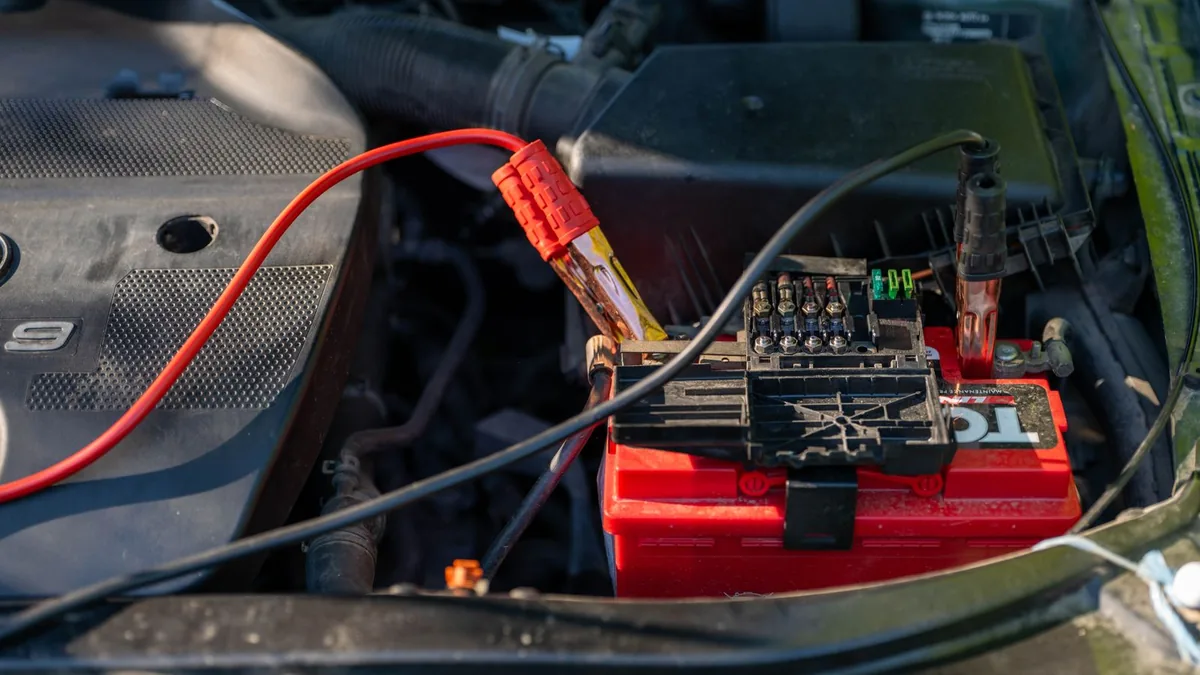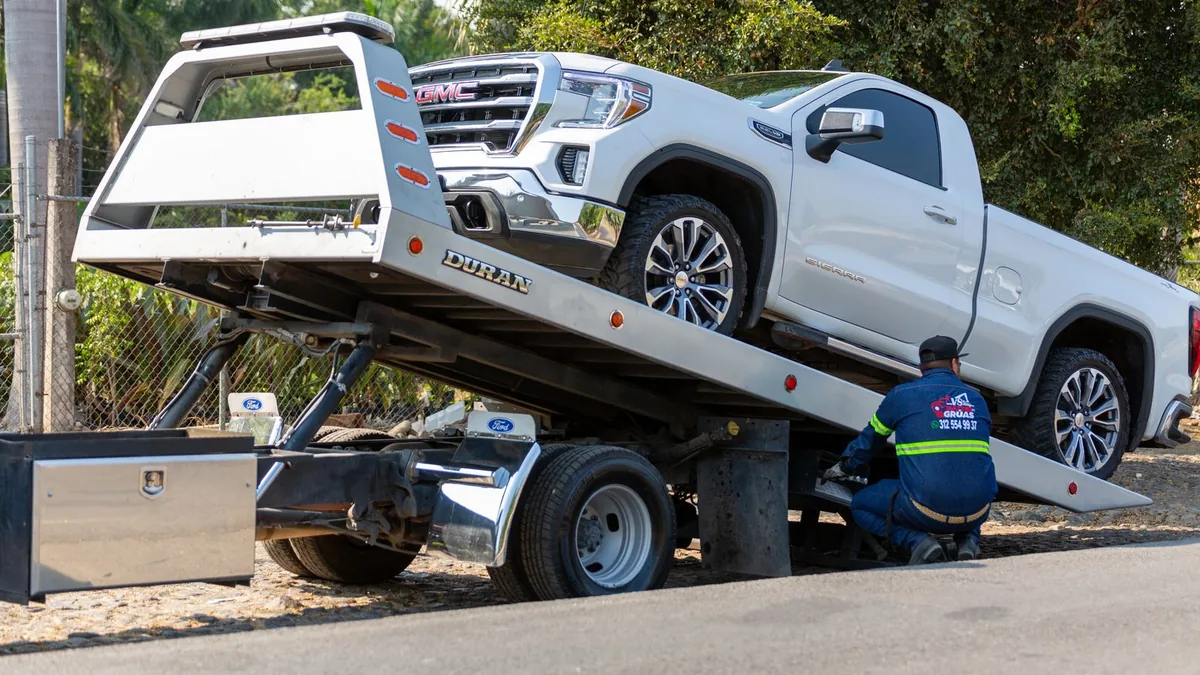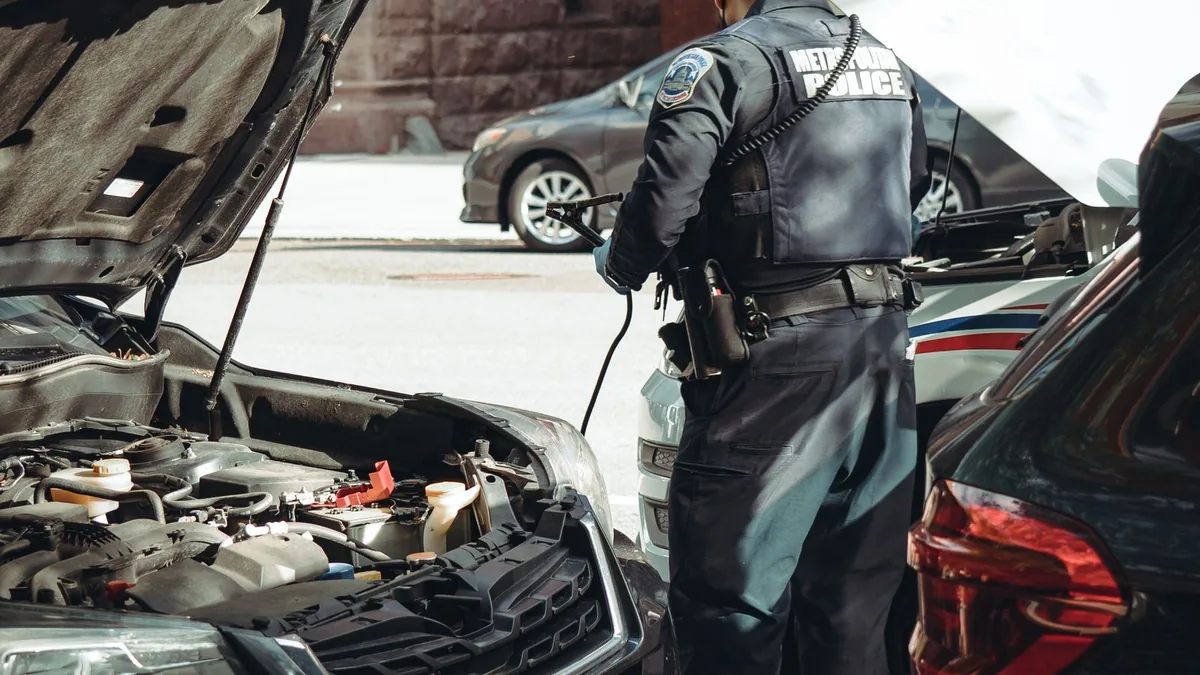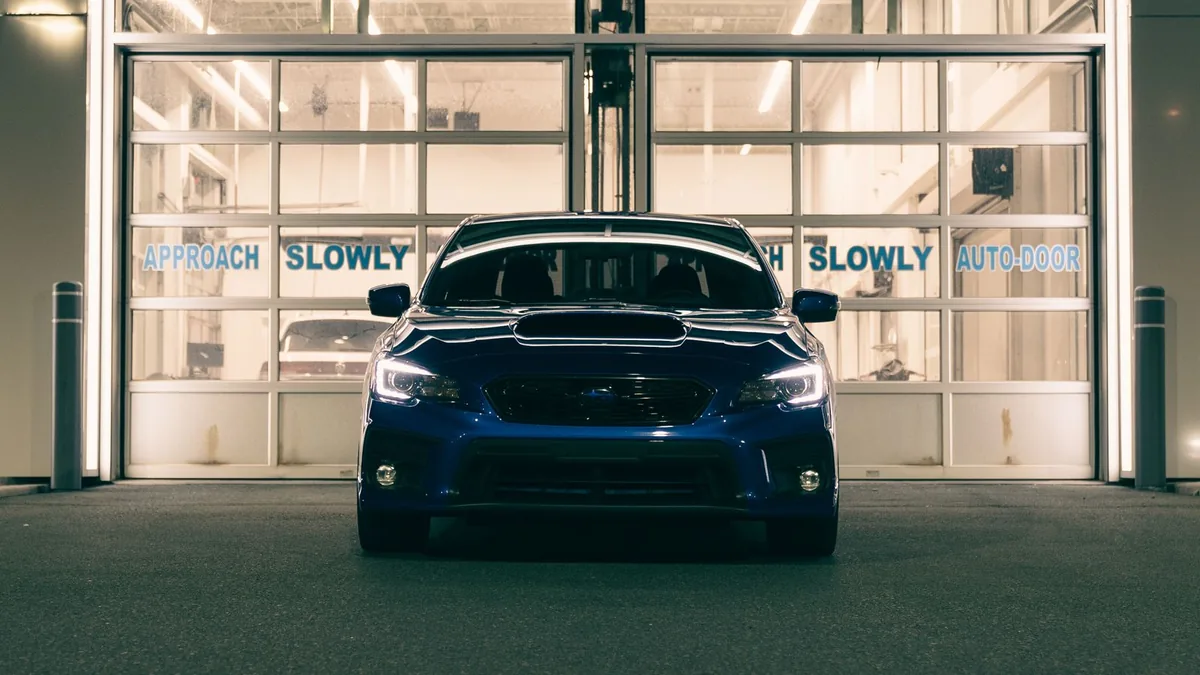
An after-hours tow can solve the immediate transport problem while creating another question: where can the vehicle actually be left and who will take responsibility for it? A closed workshop may have an approved procedure, no available space or no arrangement for your vehicle. Confirm the destination instead of assuming any repair business can receive an unannounced delivery overnight.
Local towing discussions show how arranging transport becomes part of reaching a repair solution. This guide extends that practical question into an after-hours checklist; it does not claim a particular Indianapolis forum report proves that all shops follow the same overnight handover procedure.
Separate the urgent scene from the final repair
If the vehicle or occupants are in immediate danger, contact appropriate emergency assistance and follow instructions. A final workshop choice should not delay addressing an unsafe scene. Once a response is being coordinated, tell the dispatcher that the destination is not yet confirmed if that is the case. Honest uncertainty is better than giving a convenient address that cannot receive the car.
Identify the work the receiving shop needs to handle
Describe the vehicle and known symptoms to the proposed workshop. Ask whether it handles that model and the likely assessment, without presenting an unconfirmed diagnosis as fact. A destination that can park the car may still be unsuitable for the next repair. Clarify capability and expected appointment timing rather than assuming delivery automatically secures immediate work the next morning.
Obtain explicit receiving approval
Call the shop before it closes when possible, or use its published after-hours instructions. Confirm that the arrangement applies to your vehicle and date. Do not infer permission from an unlocked lot or the presence of other parked cars. Record the contact and agreed drop location so the towing provider can follow an authorized plan rather than improvise at arrival.
Check the exact branch and entrance
Confirm the full address, entrance and designated area. A brand name or map result can point to the wrong branch or an access point closed overnight. Ask about gates, height limits and other restrictions relevant to the tow vehicle. Share private access instructions securely with the authorized provider rather than placing them in public directory comments or photographs.
Ask about delivery if no one is present
Clarify who receives confirmation, what information accompanies the vehicle and how the shop identifies it. Ask what the towing provider supplies after drop-off. A successful handover should not depend on an assumption that someone will notice an unfamiliar car in the morning. Keep the destination contact details available if an access problem appears during delivery.
Establish a safe key handover
Follow the receiving business's authorized process for keys and relevant paperwork. Do not leave keys in an exposed place or assume the tow driver can select a substitute arrangement. Ask how the shop confirms receipt. Avoid including unnecessary personal information in visible documents; provide the contact and symptom details the business actually requests through the agreed channel.
Understand when storage may become necessary
If the intended destination cannot accept the vehicle, ask the towing provider what alternatives exist and what terms apply. Do not assume a holding location is free or that redelivery is included. Request the responsible business identity, access arrangements and next transport plan before approving an alternative where circumstances allow. Temporary custody and final repair are separate parts of the service.
Compare the complete after-hours charge
Ask about the defined pickup and destination, any after-hours component, waiting and additional transport. Confirm how a change is authorized. A quote based on direct delivery may not describe an overnight holding arrangement followed by a second trip. Keep the scope understandable and ask for an itemized receipt rather than relying on a single unexplained total.
Coordinate passengers separately
Ask whether the tow response accommodates any occupants and arrange other travel if needed. Mention children, pets and accessibility requirements. A repair shop's overnight drop procedure does not provide a waiting area or passenger transport by itself. Keep people safe while the car's destination is resolved rather than assuming everyone can remain with it through every stage of the handover.
Set next-day authorization boundaries
Contact the receiving shop and agree on the initial diagnostic task, charges and approval process. Delivering a vehicle is not the same as authorizing every repair that may later be recommended. Provide a reliable number and identify who can make decisions. Ask when to expect findings, recognizing that overnight arrival does not guarantee the first appointment of the following day.
Save condition and delivery records
When safe, retain relevant photographs, the tow receipt and destination confirmation. Ask how any concern about the handover should be reported. Do not place yourself in danger to document a vehicle on an exposed roadside. Factual records help distinguish the transport assignment, storage period and repair visit if a question arises about what happened at each stage.
Prepare a short handover message
Include the vehicle identity, agreed destination, contact number, known symptom and authorization limit. Send it through the channel the receiving business requests. Use towing contacts and auto service contacts to identify options, then confirm actual after-hours capability directly. A listing does not guarantee that a lot is open, a truck is available or a repair appointment exists.
Frequently asked questions
1. Can a tow truck leave my car at any repair shop?
Do not assume permission. Confirm that the business accepts the vehicle and has an authorized drop arrangement. A parked car or open entrance does not establish approval for an unannounced overnight delivery.
2. Does an overnight drop mean repairs start immediately?
No. Ask about appointment availability and the initial diagnostic arrangement. Transporting the car to a shop does not automatically place it first in the following day's schedule or authorize all work.
3. What if I cannot reach the intended shop?
Tell the dispatcher and ask about appropriate alternatives. Do not invent receiving instructions. If temporary holding is proposed, clarify custody, access, charges and the later delivery plan before approving it when circumstances allow.
4. Should I leave keys inside the vehicle?
Follow the receiving business's authorized key procedure rather than improvising. Ask how receipt is confirmed. Avoid exposing keys or personal information simply because the shop is closed when the car arrives.
5. Can the towing company store the car overnight?
Ask whether it offers that service and under what terms. Storage, access and redelivery can involve separate charges or arrangements. Do not infer them from a quote for direct transport.
6. Is after-hours towing always priced differently?
Terms vary. Ask for the complete scope and charges for your circumstances. Compare actual quotes rather than assuming a national rule or an old forum price applies to the current pickup.
7. Who should receive delivery confirmation?
Agree on this with both businesses. Keep your own confirmation as well. Clear communication helps prevent the vehicle from arriving without the shop knowing whose car it is or what assessment was requested.
8. Can passengers wait at the closed workshop?
Do not assume the site provides safe waiting space or access. Arrange passenger travel separately and tell the dispatcher about relevant needs instead of treating the car's destination as a complete plan for everyone.
9. What should I authorize the shop to do?
Agree on an initial diagnostic scope and approval boundary directly with the repair business. Delivery alone should not be relied on to communicate your spending limit, contact details or preferred next step.
10. What records are useful afterward?
Keep the pickup and destination agreement, itemized receipt, delivery confirmation and repair authorization. Those records make later discussions more precise without guaranteeing coverage or a particular outcome if a dispute arises.
Sources and related reading
- Indianapolis discussion about towing to reach a repair solution: broad local question context; after-hours checklist is original planning guidance.
- AAA Hoosier: vehicle breakdown planning.
- FTC: auto repair basics.