A towing quote needs more than a distance between two addresses. The vehicle's condition, access, pickup circumstances and destination can change what equipment and work are needed. Provide those details before comparing offers so that each business is pricing the same assignment rather than a different assumption about the car and its location.
An Indianapolis discussion about arranging an affordable tow shows how transport can become the obstacle between a disabled car and further repair. It is useful context for requesting a complete quote, not a current rate schedule or evidence that any particular membership will cover your move.
Explain whether this is an emergency
Tell the dispatcher if people or the vehicle are exposed to immediate danger. Contact emergency services when appropriate and follow their instructions. A planned transfer between repair locations is different from a vehicle stopped in traffic. Do not describe an urgent scene as an ordinary pickup solely to obtain a lower-looking quote or an online booking slot.
Provide exact pickup information
Give the full address or reliable road location, direction of travel and any relevant access instructions. Explain gates, height limits or restricted hours without posting private codes publicly. Ask how the provider confirms arrival. A small address error can lead to the wrong entrance or an unsuitable access route, particularly in a large property with several parking areas.
Identify the vehicle and modifications
State the make, model, year and relevant powertrain or drivetrain details. Mention modifications, unusual dimensions or other conditions that could affect loading. Let the towing professional determine the appropriate equipment. Do not assume a method used for another car is suitable for yours, and do not try to prepare specialized loading points from an unverified online procedure.
Describe whether the vehicle can be moved
Tell the provider what you know about its ability to roll or steer and whether keys are available. Explain visible damage or other relevant restrictions factually. You do not need to diagnose every component to disclose an access problem. Accurate information helps the business assess the assignment and explain any specialist recovery work before dispatch.
Distinguish transport from recovery work
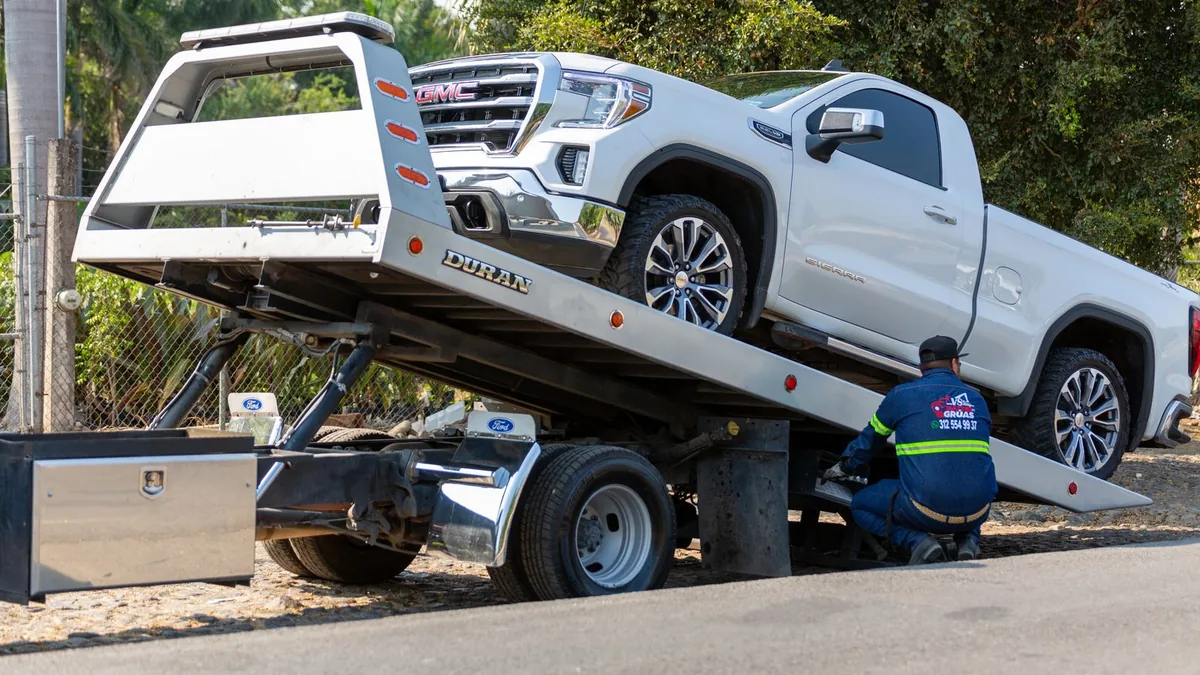
A straightforward vehicle transfer and a more difficult recovery can involve different tasks. Ask what the quote assumes about access and loading. If the vehicle is stuck or in another unusual position, explain that clearly and let the professional assess it. Avoid treating every service described as “a tow” as identical work with an interchangeable price.
Confirm the receiving location
Contact the destination to ensure it can accept the vehicle and is appropriate for the next assessment. Confirm the full address, approved drop location and hours. A business name alone is not enough when there are several branches. Ask what happens if the destination cannot receive the vehicle at the expected time rather than leaving that decision to an arriving driver.
Ask for the complete charge structure
Request an explanation of attendance, loading, travel and any additional service relevant to the assignment. Ask what could change the quoted amount and how you approve changes. A low starting figure may exclude circumstances another provider already considered. Compare a written complete scope rather than assuming a generic per-mile figure represents the entire cost.
Discuss waiting, storage and schedule changes
Ask how delays at pickup or delivery are handled and whether storage could become necessary. Find out who authorizes an alternative destination. Do not assume an after-hours pickup includes free overnight holding or a second delivery. If your repair appointment changes, notify the towing provider promptly so that the transport plan can be reconsidered before the vehicle is loaded.
Keep coverage questions separate from the quote
If you expect an insurer, manufacturer or membership service to pay, contact that organization and obtain the required authorization. A tow company accepting your booking does not establish coverage. Ask whether you must use a dispatched provider or can arrange service independently. This guide does not interpret a policy, promise reimbursement or apply another person's forum experience to your plan.
Make a passenger and key plan
Ask about passenger capacity and arrange alternative travel if needed. Tell the dispatcher about accessibility needs, children or pets. Confirm how keys and vehicle documents are handed over without leaving sensitive information in public view. The car's transport and the occupants' travel are different responsibilities, even when one phone call helps coordinate them.
Document the handover sensibly
When safe, keep relevant condition records and confirm the destination and contact information. Ask for an itemized receipt and delivery confirmation. Do not enter a hazardous area for photographs. If a concern arises, report it using the provider's process and factual documentation. Clear records are more useful than trying to reconstruct the exact assignment from several informal calls.
Choose a quote that matches the actual job
Review the pickup, vehicle, loading assumptions, destination and charges before authorizing transport. Browse towing and roadside businesses, then verify current capability and availability directly. An online listing cannot guarantee equipment, response time or acceptance of a particular assistance plan. The right offer is one you understand from dispatch through handover.
Frequently asked questions
1. Is mileage enough to estimate a tow?
No. Access, vehicle details, loading conditions and other work can affect the assignment. Give each provider the same complete information so the resulting quotes can be compared on a meaningful basis.
2. Should I choose the lowest starting price?
Ask what it includes and what could be added. A starting figure may describe a different job from a complete quote that already accounts for your pickup conditions and destination.
3. Why does the dispatcher need my vehicle model?
The vehicle can affect equipment and handling requirements. Provide accurate details and relevant modifications so the professional can assess suitability rather than sending a response based only on a location.
4. Do I need to diagnose why the car will not move?
No, but report what you know about rolling, steering, keys, damage and access. A factual description is useful without declaring an unconfirmed mechanical cause or attempting risky preparation yourself.
5. Is recovery included in every tow quote?
Do not assume that. Explain unusual positions or restrictions and ask what the price assumes. A more involved recovery may require a different assessment, equipment or authorization from ordinary transport.
6. Can the vehicle go to any repair shop?
Confirm that the chosen shop can receive it, has relevant capability and accepts the arrival arrangement. Check the exact branch and drop location before dispatch rather than relying on a company name alone.
7. Does my insurance automatically pay?
Coverage depends on the actual policy and authorization process. Contact the responsible organization and ask what arrangements it accepts. A tow booking or receipt does not prove reimbursement eligibility.
8. Can I ride with the driver?
Ask before booking. Passenger capacity and restrictions vary. Mention children, accessibility needs and pets, and arrange separate travel when needed rather than assuming the transport vehicle accommodates everyone.
9. What if the receiving shop closes before arrival?
Contact both businesses and agree on a revised plan. Ask about approved after-hours delivery or other arrangements and any additional charges. Do not assume the driver can leave the car anywhere onsite.
10. What records should I retain?
Keep the quote, authorization, itemized receipt, destination confirmation and safe condition records. These help with later questions about service, payment or coverage without depending entirely on memory of the original call.
Sources and related reading
- Indianapolis discussion about arranging an affordable vehicle transfer: historical consumer context, not current price or plan terms.
- AAA Hoosier: what to expect after a breakdown.
- INDOT: roadside assistance program context: limited assistance does not establish an individual service entitlement.