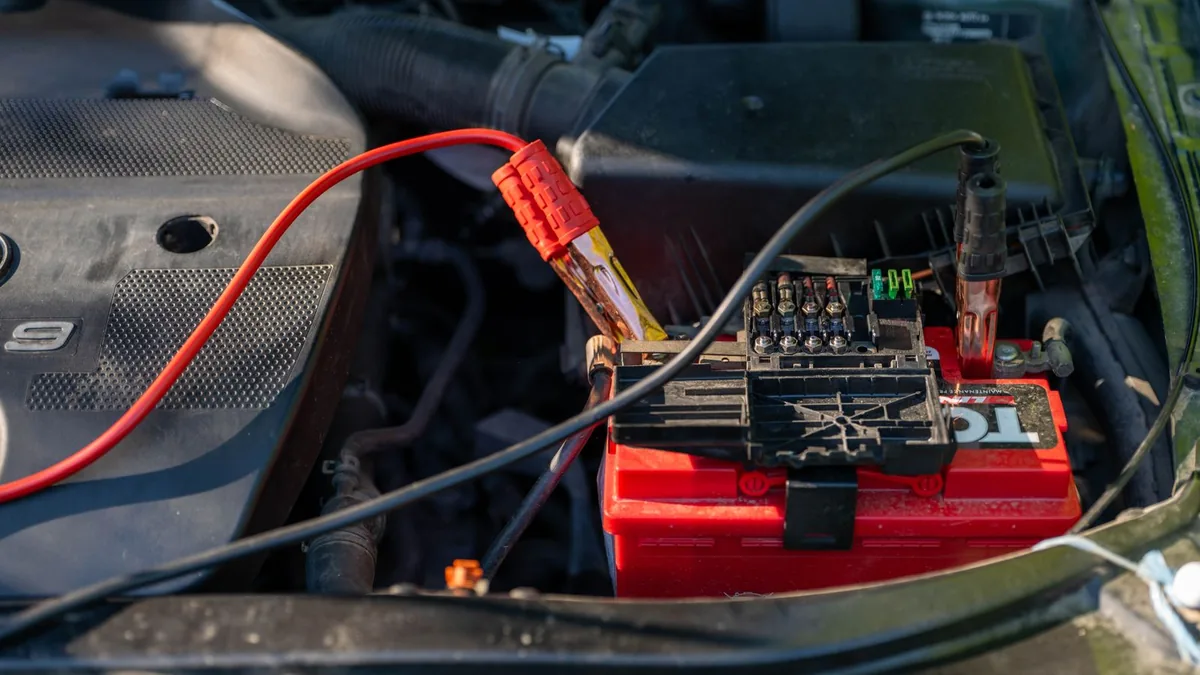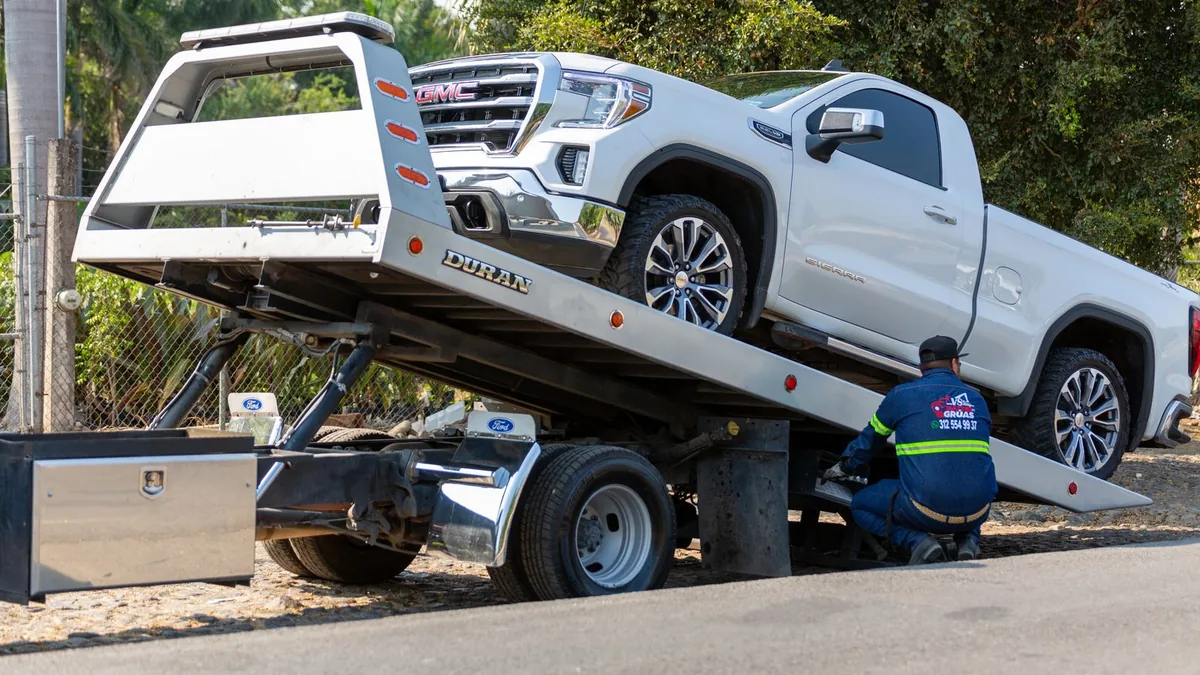
An assistance card, insurance app or manufacturer number can be reassuring until you need to know exactly what it provides. Roadside arrangements differ in the vehicles they cover, services they authorize and charges they leave with you. Check the current terms and ask the dispatcher about the actual situation instead of assuming every program means unlimited free help.
Indiana discussions about delayed roadside responses include Indianapolis experiences, while a local tire discussion suggests checking existing coverage. Those comments are reasons to prepare questions, not evidence that one program always responds well or poorly. Your agreement and current dispatch information matter more than a stranger's past experience.
Identify the plan you actually hold
Locate the policy, membership or manufacturer documents and confirm the current account details. Different products can use similar roadside language while providing different benefits. Ask which vehicle or person is eligible under your arrangement. Do not assume a previous owner's coverage, an expired membership or an old insurance document applies to the car and date of the current request.
Distinguish emergencies from service requests
A roadside plan is not a substitute for emergency assistance when people are in danger. Contact appropriate emergency services for an urgent scene and follow their instructions. Once safety is being addressed, explain the service need accurately. The program may coordinate vehicle assistance, but that does not mean its dispatch process replaces police, fire or medical response.
Describe the requested service clearly
Tell the dispatcher whether you need help with a tire, a no-start symptom, transport or another issue. Describe facts without assuming the cause. Ask what response the program proposes and what happens if that response cannot resolve the problem. A promise to send assistance should lead to a clear understanding of the assigned task rather than an assumption that every possible repair is included.
Ask about vehicle eligibility
Give accurate vehicle details and disclose relevant modifications or unusual use. If the vehicle is not the one you normally drive, ask whether the arrangement covers that situation. Do not infer eligibility from a logo on a card. Keep the response with the request details, particularly when a family member, rental vehicle or specialized vehicle is involved.
Understand destination and distance terms
For a tow, ask what destinations are available under the plan and what additional travel would cost. Confirm the receiving location can accept the vehicle. Do not assume a stated distance allowance automatically covers your preferred workshop or a second transfer later. Ask how the plan handles an unsuitable or closed destination before transport begins when circumstances permit.
Confirm dispatch authorization before self-arranging
Some arrangements may require you to use the program's process or obtain approval before booking independently. Ask the responsible organization what it accepts. A private service receipt does not establish reimbursement. If you need another response because conditions change, document the communication and ask about the next step rather than assuming an unapproved booking will be paid afterward.
Separate benefits from additional charges
Ask which parts of the proposed service are included and which require direct payment. A program may address attendance or transport without paying for every component or extra task. Request the actual terms instead of inferring them from the broad phrase “roadside assistance.” Compare any additional amount with a defined scope so you understand what you are authorizing.
Request realistic status information
Ask how the program communicates provider assignment, estimated arrival and delays. An estimate is not a guaranteed arrival time, especially when availability or conditions change. Keep your phone available and tell the dispatcher if the location or safety situation changes. If danger develops, seek emergency assistance rather than treating an ordinary status update as sufficient response to a new hazard.
Make an alternative travel plan
Ask about passenger capacity and whether your plan includes any separate travel benefit. Do not assume a tow includes transportation for every occupant. Identify children, pets or accessibility needs early. A vehicle service and a passenger journey are different arrangements, and you may need to coordinate both while remaining in contact with the dispatcher.
Know when specialist work is outside the response
Roadside assistance may restore mobility or arrange transport without diagnosing every underlying fault. Ask what findings are supplied to a repair shop if the issue remains unresolved. Do not treat a successful temporary response as proof that no further assessment is needed. Follow the vehicle instructions and the attending professional's guidance about the appropriate next step.
Keep a complete request record
Save request identifiers, relevant messages, authorization, provider details and receipts. If you have a payment or service concern, ask the program for its current review process. Keep the account factual and distinguish the program's statements from your assumptions. This article cannot establish compensation, complaint outcomes or an entitlement under a particular contract.
Review the plan before another breakdown
Once the immediate problem is resolved, read the current terms and save reliable contact details. Identify gaps that matter for the vehicle and journeys you actually make. Browse roadside providers if you need independent contacts, but confirm plan acceptance and capability directly. Directory inclusion does not establish a contractual relationship with any assistance program.
Frequently asked questions
1. Does roadside assistance mean every service is free?
No assumption should be made. Read the current benefit and ask which parts of the proposed response are included. Components, additional transport or other work may have separate terms and charges.
2. Should I check my existing insurance first?
When circumstances allow, identify any current roadside arrangement and its contact process. Immediate danger requires appropriate emergency assistance rather than delaying a safety response while comparing policy benefits.
3. Can I arrange a tow and claim it later?
Ask the responsible program before self-arranging where possible. Authorization and reimbursement rules differ. Keeping a receipt is useful documentation but does not itself establish that the plan must pay.
4. Will the plan cover another family vehicle?
Confirm eligibility directly using the actual account and vehicle details. Some arrangements may focus on a person, vehicle or other defined condition. Do not apply a benefit to an unconfirmed situation by assumption.
5. Is an estimated arrival a guarantee?
No. Ask how updates are provided and report changes in location or danger. Dispatch estimates can change, and an emerging emergency should be handled through the appropriate safety response.
6. Can I choose any towing destination?
Ask about the plan's destination and distance terms, then confirm the receiving shop accepts the vehicle. A preferred destination or a second transfer may involve separate arrangements or charges.
7. Does assistance include repair diagnosis?
The response may be limited to a roadside task or transport. Ask what was assessed and what remains unresolved. A temporary return to mobility does not establish the cause of every symptom.
8. Will everyone ride with the tow truck?
Ask the dispatcher about seating and restrictions. Mention children, pets and accessibility needs, and plan separate travel if necessary. Do not infer passenger arrangements from approval of vehicle transport.
9. What should I do if the situation becomes unsafe?
Contact appropriate emergency services and follow their instructions. Tell the roadside dispatcher about the change as well. A routine service request is not a substitute for assistance with immediate danger.
10. What records help with a later question?
Keep the request identifier, messages, authorization, provider information and itemized receipts. These documents support an accurate discussion of the service, although they do not guarantee reimbursement or any particular review outcome.
Sources and related reading
- Indiana roadside discussion with Indianapolis experiences: consumer questions only; no adoption of allegations or response-time claims.
- AAA Hoosier roadside service information: consult actual plan terms, not this article, for eligibility.
- INDOT: roadside program information.