A car that will not start can leave you choosing between a battery service call and transport to a repair shop. The symptom alone does not prove the battery is the only problem. Describe the situation to the provider and ask what testing is included before approving a replacement simply because it seems like the quickest option.
Indianapolis discussions include a car that would not start after attempted assistance and another owner asking for investigation of repeated battery drain. They raise different service questions. One is about restoring mobility now; the other requires understanding why the symptom returns. Neither thread diagnoses your vehicle.
Begin with where the car is parked
Explain whether the vehicle is at home, in a restricted garage, in a shared lot or exposed to traffic. Immediate danger changes the response priority. Tell the dispatcher about access limitations before discussing a product price. A mobile service that is practical in a driveway may need a different plan where a vehicle is difficult to reach or cannot be approached safely.
Report the symptom without naming the failed part
Say what happens when you attempt normal starting and identify warning messages or unusual behavior. Mention whether the problem began suddenly or has recurred. Do not assume that a click, a dark dashboard or a previous successful jump establishes a complete diagnosis. The provider should explain what can be assessed during the visit and what would require further work.
Give the vehicle details accurately
Provide make, model, year and powertrain information. Ask whether the provider handles the vehicle's starting and battery arrangement. Different vehicles can require different equipment or procedures. This guide does not offer jump-start instructions, and online advice for another model should not override your owner's manual or the assessment of a qualified professional handling the actual vehicle.
Describe previous attempts and recent work
Tell the provider if roadside assistance has already attended, whether parts were replaced and what findings were supplied. Keep the account factual rather than assuming an earlier unsuccessful attempt proves a specific failure. Share recent service records where relevant. That history can prevent the next appointment from starting with no knowledge of what has already been checked.
Ask what battery testing includes
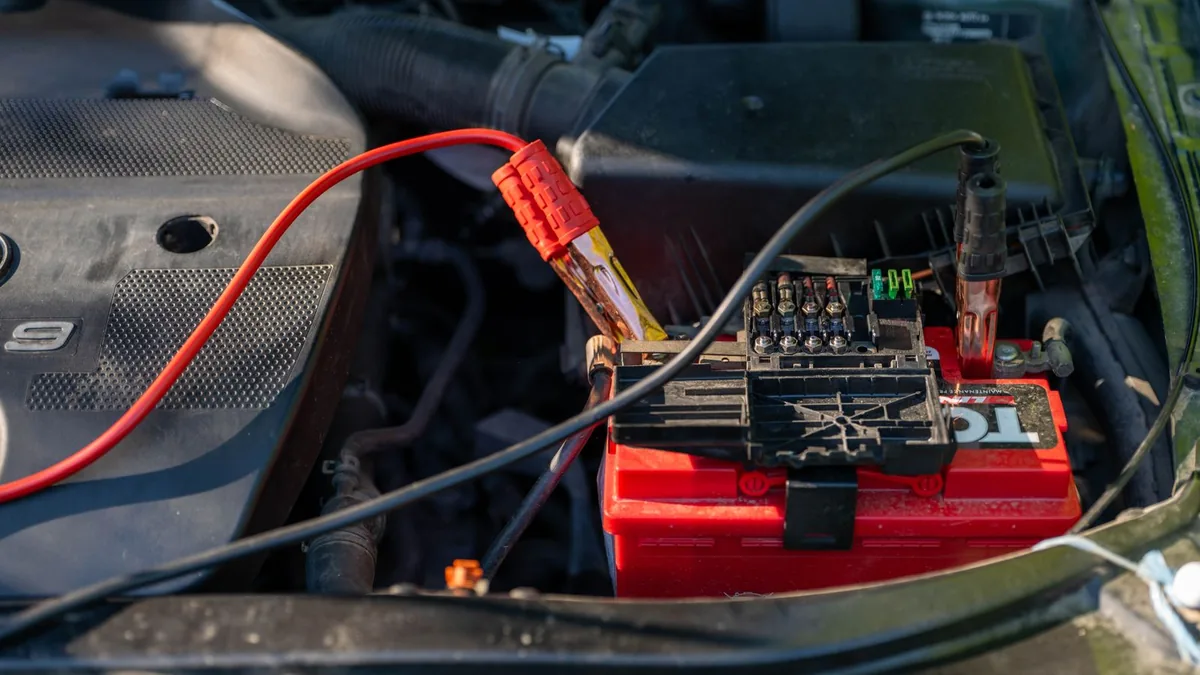
Find out whether the visit includes an assessment before replacement, what result is supplied and whether testing has a separate charge. Ask what can be concluded from the available tests. A written result or explanation is more useful than a sales statement that a new battery should probably solve it. If uncertainty remains, ask what the next diagnostic step would be.
Distinguish replacement from recurring-drain diagnosis
A vehicle that starts after assistance may still have an unresolved reason for repeated discharge. Tell the provider if the symptom keeps returning. Ask whether it investigates that concern or only performs roadside battery service. These are different assignments, and paying for a new component does not automatically purchase a broader electrical diagnosis or establish that no other fault exists.
Compare the proposed battery and installed scope
If replacement is recommended, ask for the appropriate specification, installation work and warranty terms. Confirm what happens to the old battery and whether any vehicle-specific setup is included where required. Do not buy an unrelated product based only on price. The provider should connect the proposed component to the vehicle and explain the actual work it will perform.
Check existing warranty documents
If the battery may be under warranty, find the relevant documents and ask the seller or warranty provider about its process. Do not assume a roadside company can authorize another business's coverage. Discuss testing requirements, replacement arrangements and any costs before choosing a service solely because you expect reimbursement. This article cannot determine a particular warranty claim.
Ask what happens if the car still will not start
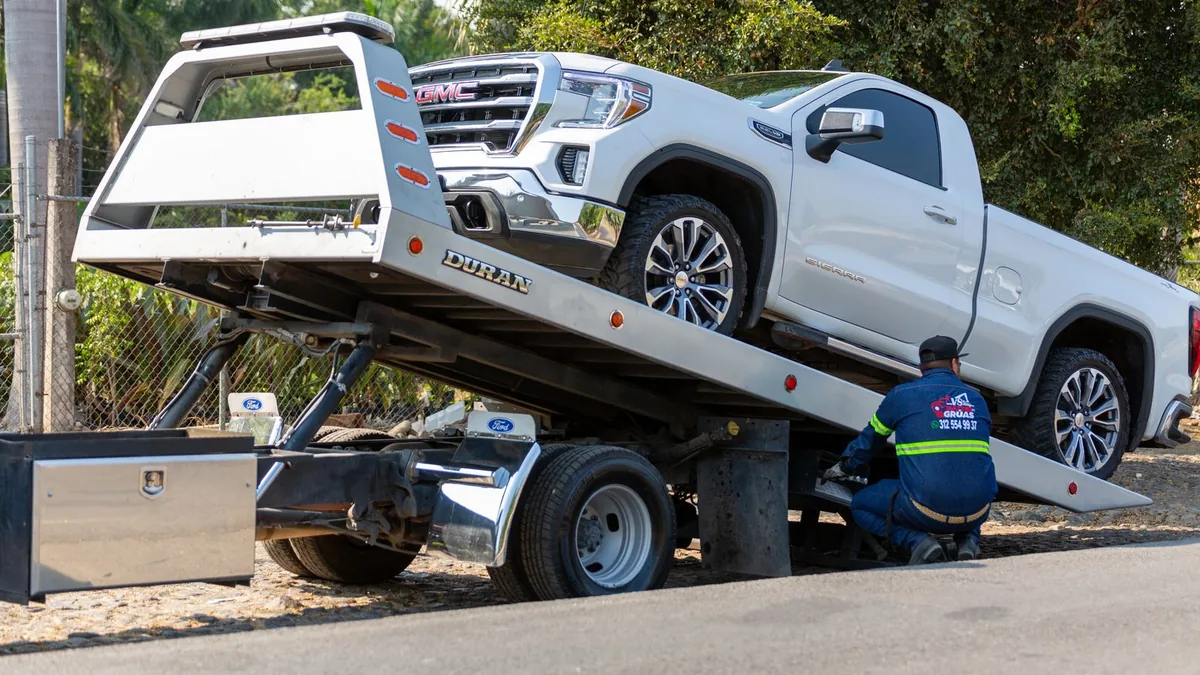
The service brief should include a fallback. Confirm whether the provider can arrange a tow, whether you must arrange one separately and what findings go to the receiving shop. Do not assume every mobile battery business transports vehicles. A clear next step can save another round of calls while leaving the underlying cause honestly unresolved.
Plan the repair-shop handover
Call the shop to confirm that it accepts the vehicle and has relevant capability. Ask about appointment timing and after-hours procedures if needed. Supply the roadside findings and the symptom history. The car arriving at a workshop does not itself authorize every repair, so agree on the diagnostic scope and approval process with the receiving business.
Understand attendance and additional charges
Ask about callout, testing, replacement, travel and any second visit. Compare complete services rather than only battery prices. If conditions change, request an updated explanation before authorizing further work where possible. A forum quote from another year or vehicle is not a current offer for your location, component or diagnostic need.
Keep a record of the outcome
Save test results, receipts, part information and any unresolved findings. If the symptom returns, tell the next provider exactly what changed and when. Browse roadside service contacts for immediate-service options and auto repair contacts for workshop diagnosis, then verify each business's actual scope before booking.
Frequently asked questions
1. Does a no-start symptom prove I need a battery?
No. Ask a qualified provider what assessment is appropriate and what the result establishes. A symptom description or an online guess does not identify every possible cause in your vehicle.
2. Should I keep trying to jump-start it?
Follow the vehicle's instructions and seek qualified assistance rather than repeating improvised attempts. This guide does not assess the equipment, connections or hazards needed to direct a safe procedure remotely.
3. Is roadside battery service the same as electrical diagnosis?
Not necessarily. Ask whether the provider only tests or replaces the battery or also investigates recurring discharge and other faults. The written service scope should make that distinction clear.
4. Can a new battery leave the original problem unresolved?
It can if the underlying issue has not been established. Ask what evidence supports replacement and what further assessment is recommended, especially when the symptom has returned after earlier service.
5. What information helps the dispatcher?
Provide the exact location, access restrictions, vehicle details, symptoms and previous attempts. Mention whether the vehicle is exposed to traffic or has another safety concern so the response can be planned appropriately.
6. Should testing cost extra?
Charges depend on the provider's terms. Ask what testing is included in attendance and replacement prices before booking. Compare the complete defined service rather than assuming every business bundles the same work.
7. Can I use an existing battery warranty?
Check the actual documentation and contact the responsible provider. Testing and authorization requirements can matter. Do not assume another roadside business can approve coverage or that any purchase will be reimbursed afterward.
8. Will the roadside company tow the car if needed?
Ask directly. Battery service and vehicle transport may be separate capabilities or contracts. Confirm who arranges a tow and how findings will be passed to the receiving workshop if necessary.
9. What if the problem keeps coming back?
Keep the history and ask for an appropriate diagnostic appointment. Repeatedly restoring starting ability is different from establishing the cause of recurring discharge, and another replacement should have an explained basis.
10. What should I save after service?
Retain the test explanation, invoice, installed part details, warranty and any recommendation for further work. Those records help a later technician distinguish completed checks from assumptions about what was assessed.
Sources and related reading
- Indianapolis mobile battery service question: context only; no adoption of commenters’ diagnoses or prices.
- Indianapolis recurring battery drain discussion: separate diagnostic question context.
- FTC: auto repair basics.