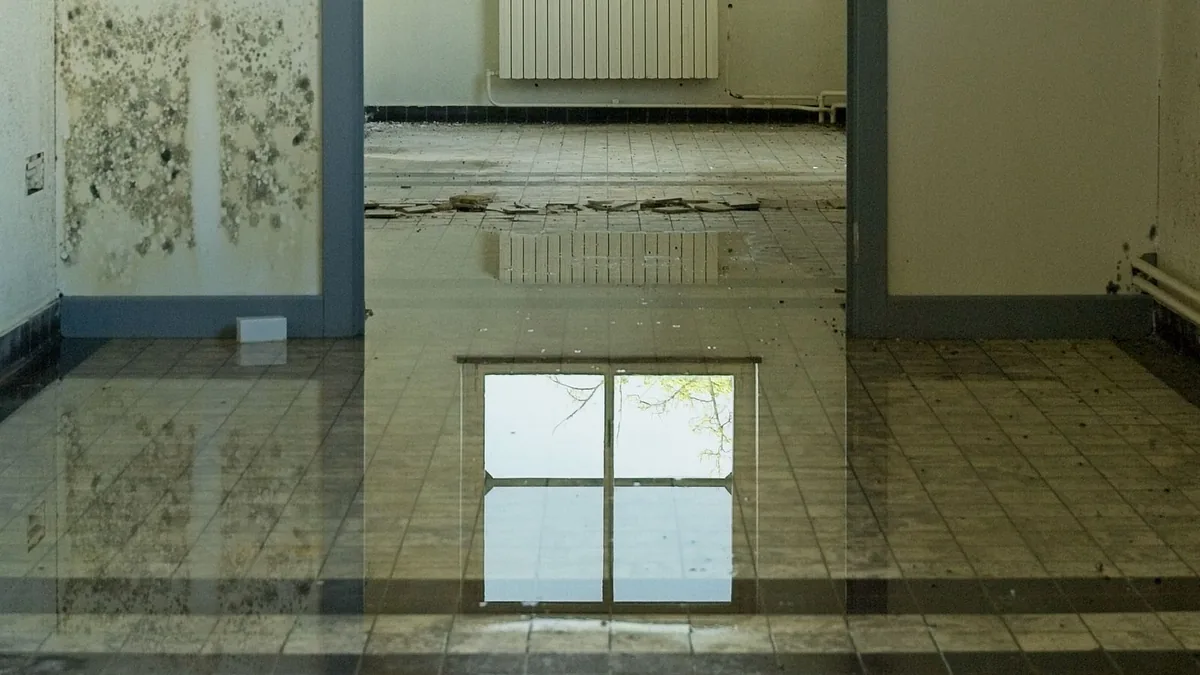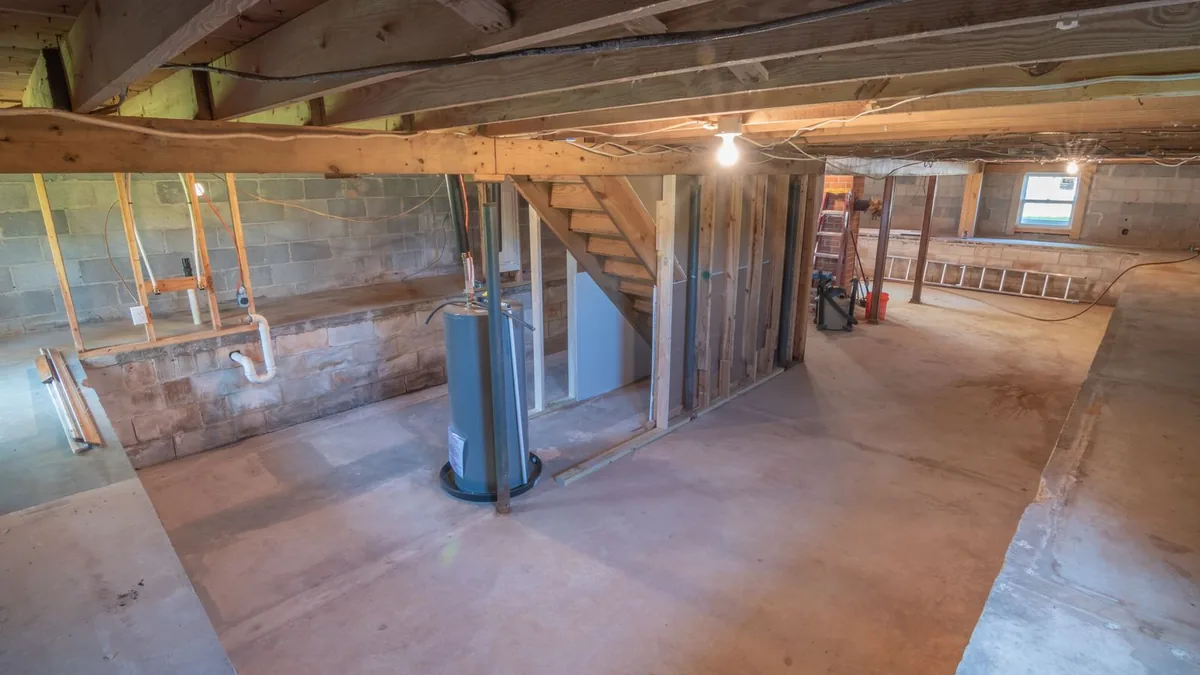
Visible growth or a persistent musty area deserves an assessment of both the affected materials and the moisture conditions. An Indianapolis resident’s public question about basement growth illustrates why simply repainting a wall is not a complete plan. Color alone cannot identify a mold species or determine a household member’s health condition. Keep medical questions with a healthcare professional, and ask the remediation provider for a site-specific scope that explains what will be addressed and what uncertainty remains.
Describe the observation without assigning a species
Record where growth or discoloration is visible, how long it has been noticed and any known water event. Do not label it a particular species from a photograph or marketing phrase. Ask the assessor what can be concluded from inspection and whether any testing would change the work. The aim is a useful decision, not an alarming name.
Investigate the moisture question
Ask what evidence points to leaks, water entry, condensation or another moisture condition. Cleaning visible growth without addressing the relevant source can leave the underlying issue unresolved. A remediation company may identify a concern that requires a plumber, drainage contractor or another trade. Keep responsibility for that work explicit so it does not vanish between separate service scopes.
Identify inspected and concealed areas
Explain finished walls, stored belongings and restricted access before the visit. Request a report that states what was seen and what was not. If further access is recommended, ask what question it would answer and who authorizes restoration. An assessment should not present inaccessible cavities as either contaminated or clear without evidence supporting that conclusion.
Ask whether sampling serves a decision
Testing is not automatically the first or only useful step. Ask what a proposed sample would establish, how results would be interpreted and whether they would change the scope. A number without a defined question can create more confusion. Do not treat a sales demonstration or isolated result as a medical diagnosis or a guarantee about the entire building.
Request material-specific work boundaries
Ask which surfaces or materials the proposal addresses and whether cleaning, removal or another approach is proposed. The scope should explain the affected extent and limitations. A basement wall and a porous furnishing may require different decisions. Avoid a blanket promise that one product can make every material suitable to retain regardless of condition or water history.
Discuss separation of the work area
Ask how the provider plans to manage the work area and avoid spreading debris into unaffected spaces. Clarify access restrictions for occupants and pets, as well as the route used for materials. This article does not prescribe a containment design. The contractor should explain arrangements appropriate to the actual scope rather than expecting residents to improvise protective barriers.
Keep chemical claims in perspective
EPA does not recommend bleach as a routine mold-cleanup solution. Do not mix cleaning chemicals or use a strong smell as proof of success. Ask why any proposed product is suitable and what instructions apply. A treatment that changes appearance or odor should not be presented as a substitute for addressing affected materials and the moisture problem.
Plan belongings and storage decisions
Ask how stored items will be assessed and who decides what is retained, cleaned or discarded. Do not move suspect materials through the home before receiving appropriate guidance. For valuable or sentimental items, ask whether a specialist is needed. An inventory helps distinguish a contents decision from the building-remediation scope and prevents accidental disposal without permission.
Separate remediation from reconstruction
Ask whether the quote includes replacing removed finishes or only preparing the affected area for later work. A remediation project can end before painting, flooring or cabinetry begins. Get those boundaries in writing and coordinate trades. Do not interpret a cleanup completion record as a promise that all cosmetic or building repairs have already been included.
Ask about completion criteria
Agree before work starts on the inspection, documentation or other checks used to decide the scope is complete. A fresh scent or newly painted wall is not a sufficient description of those criteria. Ask what remains outside the conclusion. The handover should tell the homeowner what was done, what was checked and what maintenance or follow-up is needed.
Handle health concerns separately
If occupants have symptoms or particular health concerns, seek advice from an appropriate clinician. A contractor should not diagnose the cause from a building photograph or guarantee a health outcome. Tell the provider about practical access or occupancy needs relevant to planning, while avoiding the assumption that a remediation invoice replaces individualized healthcare advice.
Keep a moisture and maintenance record
Save source-repair findings, remediation photographs, material decisions and completion documentation. Record any future water event or renewed observation with its location. This history helps evaluate a recurrence without automatically assuming the previous work failed. Ask what household monitoring is useful and which conditions should prompt another professional assessment rather than ordinary cleaning.
Frequently asked questions
1. Is black-colored growth a specific dangerous species?
Color alone does not identify species or determine health effects. Describe the observation accurately and obtain an appropriate building assessment. Discuss symptoms with a healthcare professional instead of relying on a contractor or online photograph for diagnosis.
2. Do I always need an air test?
Ask what question the proposed test would answer and whether it would change the work. Inspection and moisture assessment can be important. An isolated result should not be treated as a universal clearance for every concealed area.
3. Can I just paint over the area?
Painting does not resolve the underlying moisture or material question. Ask for an appropriate assessment and work scope first. A new finish should follow completion decisions rather than conceal an unresolved condition behind a more attractive surface.
4. Does bleach solve the problem?
EPA does not recommend bleach as routine mold cleanup. Do not mix chemicals. Ask the provider to explain the proposed material work and moisture correction rather than choosing a service solely because it advertises a strong product.
5. Should everything in the basement be discarded?
Not automatically. Ask for material-specific assessment and an authorized contents inventory. Condition, contamination and the ability to clean an item matter. Valuable belongings may need a specialist opinion instead of a blanket disposal instruction.
6. Does remediation include fixing the leak?
Confirm it. Moisture correction may require another trade and a separate scope. The agreement should identify who handles the source, who remediates materials and what must be completed before reconstruction or ordinary use resumes.
7. Can I stay in the house during work?
Ask the provider about access and occupancy arrangements for the particular project. Explain household needs in advance and seek clinical advice for health concerns. Do not assume another customer’s arrangement is appropriate to your building and circumstances.
8. Who rebuilds the removed wall?
The remediation provider may or may not offer reconstruction. Ask for a separate description of replacement materials, finish work and timing. A cleanup-only estimate should not be compared as if it includes a fully restored room.
9. What proves the project is finished?
Agree on completion criteria before work starts and request the resulting record. Ask what was inspected and what remains excluded. Appearance or scent alone does not explain whether the agreed remediation and moisture-related tasks were completed.
10. What if a musty smell returns?
Record the date, location and any recent water event, then follow the provider’s reporting process. A new assessment may be needed. Do not automatically mask the smell or infer a precise cause without checking current conditions.
Sources and related reading
- Indianapolis resident’s basement-mold question.
- EPA mold cleanup overview.
- EPA explanation of bleach and mold.
- Competitor remediation overview.
- Find category contacts and confirm the exact service directly.