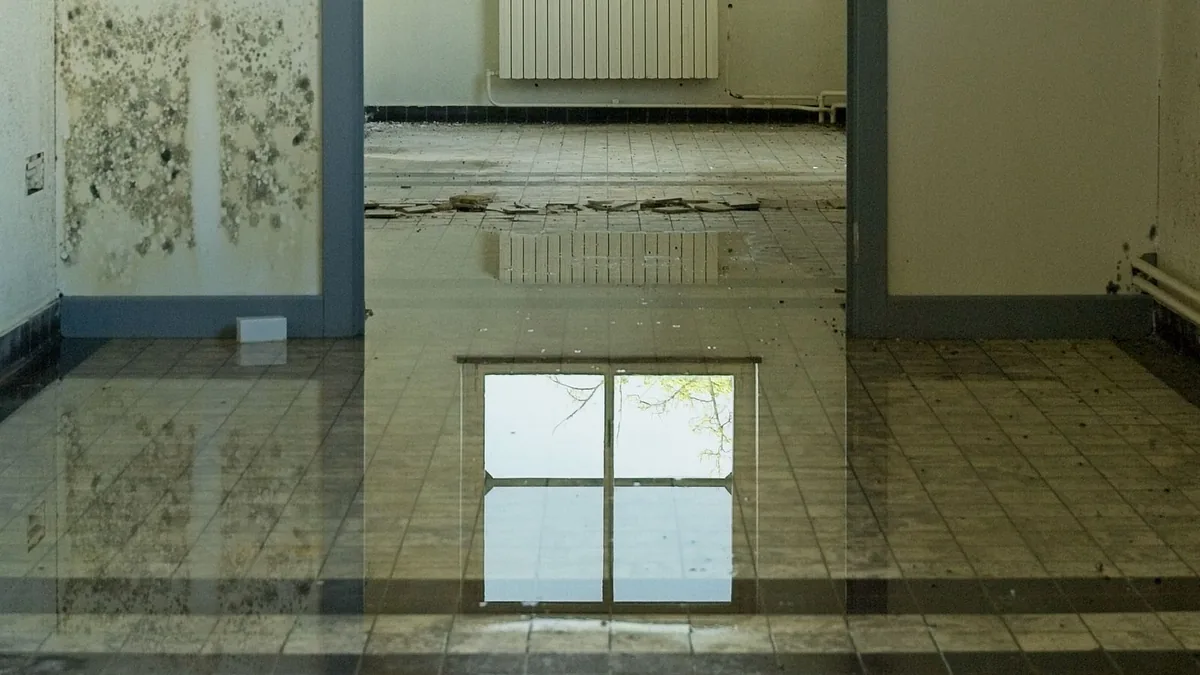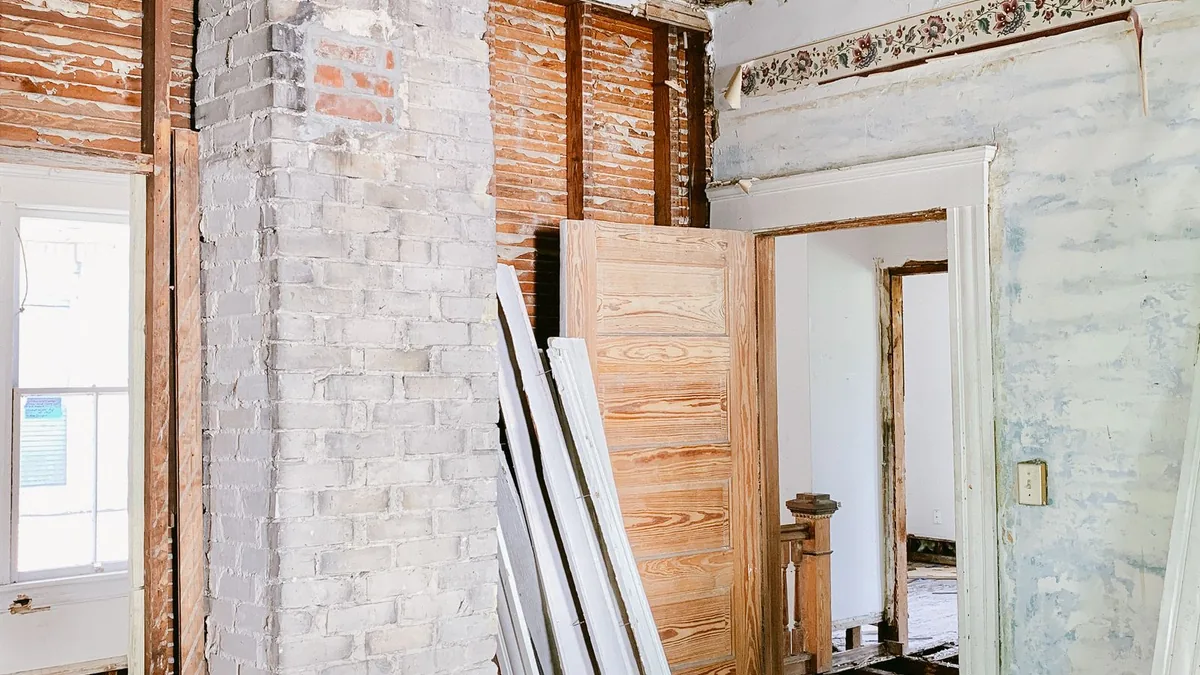
Old flooring or damaged building material can turn a routine renovation into a different kind of project. A public question from a central Indianapolis homeowner about tested flooring shows why appearance-based guesses are not enough. Do not scrape, sand or remove suspect material to identify it. Ask an appropriately trained asbestos professional about assessment before work that could disturb it, then keep testing, any corrective work and later renovation as clearly separated stages.
Pause the activity that could disturb material
If suspect material is encountered during work, stop the relevant disturbance and keep others away from the area while obtaining guidance. Do not create a sample by breaking or sanding it yourself. A delayed flooring appointment is preferable to proceeding on an internet guess. Tell the contractor what was encountered and ask how assessment will be coordinated.
Avoid identification by appearance
EPA explains that visual appearance cannot reliably establish whether a material contains asbestos. Age, size and color can raise a question without answering it. Share available product records and the planned work with the assessor. Do not ask a general cleaning team to certify a material from a photograph or assume a familiar tile pattern establishes a laboratory result.
Explain the planned disturbance
Tell the assessor whether the project involves removal, drilling, sanding or another activity near the material. The plan matters alongside present condition. Ask which materials fall within the assessment and which remain excluded. A test of one identified component should not quietly be interpreted as a finding about every layer, adhesive or unrelated material throughout the building.
Choose assessment expertise deliberately
Ask about the professional’s relevant training, accreditation and current requirements for the actual work. EPA recommends trained and accredited professionals for appropriate sampling and handling. Confirm who takes samples and which qualified laboratory analyzes them. A business that installs flooring or cleans homes does not automatically provide the same specialist assessment or corrective-work capability.
Request a defined sampling scope
Ask what the proposed assessment will establish and how the locations will be documented. Do not direct destructive sampling yourself based on this article. The professional should explain its approach and limitations, including materials not assessed. Keep permission and access clear, especially in a rented property or a building where another person must authorize invasive work.
Get a usable laboratory and assessment record
Request reports that identify the sampled material and relevant locations clearly enough to connect results with the proposed project. Ask the assessor to explain what the result does and does not cover. A detached screenshot of one number can be difficult for another contractor to interpret. Keep the original records and avoid replacing them with a verbal summary.
Do not equate a positive result with automatic removal
Ask an appropriate professional about the material’s condition and the planned disturbance. Different circumstances can call for different corrective approaches. This guide does not choose one for your home. A decision should relate to the assessment and project, rather than assuming every identified material must immediately be removed regardless of condition or future work.
Separate assessment from corrective work
If repair or removal is recommended, request a new scope explaining the materials, boundaries and contractor responsibilities. Ask how independent assessment or review is handled where appropriate. Keeping those roles understandable helps compare proposals without implying that every combined-service business is improper. The important point is to know who evaluated the condition and who will perform the work.
Confirm applicable requirements before scheduling
Ask the responsible contractor to identify current requirements relevant to the property and project, including any notifications, handling or disposal obligations. Verify questions with appropriate state or local authorities. Do not apply another state’s residential rule from a forum. This article does not determine an exemption or authorize work that requires specialized qualifications or procedures.
Plan access and household arrangements
Ask about work-area restrictions, occupants, pets and movement through the building. Coordinate other trades so they do not disturb material before assessment or interfere with corrective work. If temporary relocation or restricted access is recommended, get the reasoning and timing in writing. A general renovation schedule should adapt to the actual specialist scope rather than override it.
Define completion records and next-trade handoff
Ask what written assurances, inspections or other completion checks are appropriate to the work and applicable requirements. Clarify who receives them and who confirms readiness for the next contractor. A cleared appointment calendar does not itself establish completion. The flooring installer or cleaner should know which areas can be worked on and which materials remain subject to restrictions.
Keep remaining-material information for future projects
Retain the assessment, laboratory reports and corrective-work documentation with property records. If some material remains, ask how it should be identified for later contractors. Do not interpret completion of one project as a declaration that the entire building contains no asbestos. Future work should consider its own locations and potential disturbance rather than relying on an unrelated sample.
Frequently asked questions
1. Can I tell from a tile photograph?
No reliable identification follows from appearance alone. Ask an appropriately trained professional about assessment when suspect material is damaged or may be disturbed. Avoid scraping or breaking material to improve a photograph or send an improvised sample.
2. Should I buy a kit and take my own sample?
EPA recommends appropriate sampling by a trained and accredited professional because disturbance can create risks. Ask about the actual material and planned work. This article does not provide a do-it-yourself sampling procedure or authorize opening suspect layers.
3. Does one negative sample clear the whole room?
Ask what locations and materials the result covers. A finding about one component should not be generalized to unrelated layers or areas. Keep the original report so subsequent contractors understand the scope rather than relying on a broad verbal reassurance.
4. Must all identified material be removed?
Not automatically. Condition and the proposed disturbance matter. Ask the specialist to explain appropriate options for your situation. Do not choose removal or retention solely from a general article without considering the actual assessment and project requirements.
5. Can my usual flooring installer handle it?
Confirm specialist qualifications and actual services rather than assuming they follow from flooring experience. Assessment and corrective work can need different expertise. Coordinate the installer’s schedule with the professional responsible for the suspect-material question.
6. Do residential rules vary?
Yes, requirements can depend on jurisdiction, property and work. Ask appropriate authorities and the responsible specialist about the current applicable rules. Do not treat a forum statement about another state as permission to proceed in Indianapolis.
7. Should the cleaner vacuum the debris?
Do not treat suspect debris as ordinary household dust. Stop relevant disturbance and obtain specialist guidance. A residential cleaning crew should not be asked to improvise asbestos cleanup within a routine service appointment or use unapproved methods.
8. What should the assessment report identify?
Ask for sampled materials, locations, results and limitations clearly connected to the proposed work. Keep original laboratory and assessment documents. A useful report lets another professional understand what was tested without guessing from a detached photograph or informal summary.
9. When can renovation resume?
Ask the responsible professionals what completion records and conditions are required before the next trade begins. Coordinate the handoff in writing. A planned date alone should not override unresolved assessment, corrective work or applicable access restrictions.
10. What records should stay with the house?
Retain test reports, location information, corrective-work scopes and completion documents. Identify material left in place for future projects. Completion of one assessed job should not be represented as proof that every untested part of the building is asbestos-free.
Sources and related reading
- Central Indianapolis flooring question.
- EPA remodeling and suspect materials.
- EPA protecting your family from asbestos exposure.
- EPA asbestos FAQs.
- Find category contacts and confirm the exact service directly.