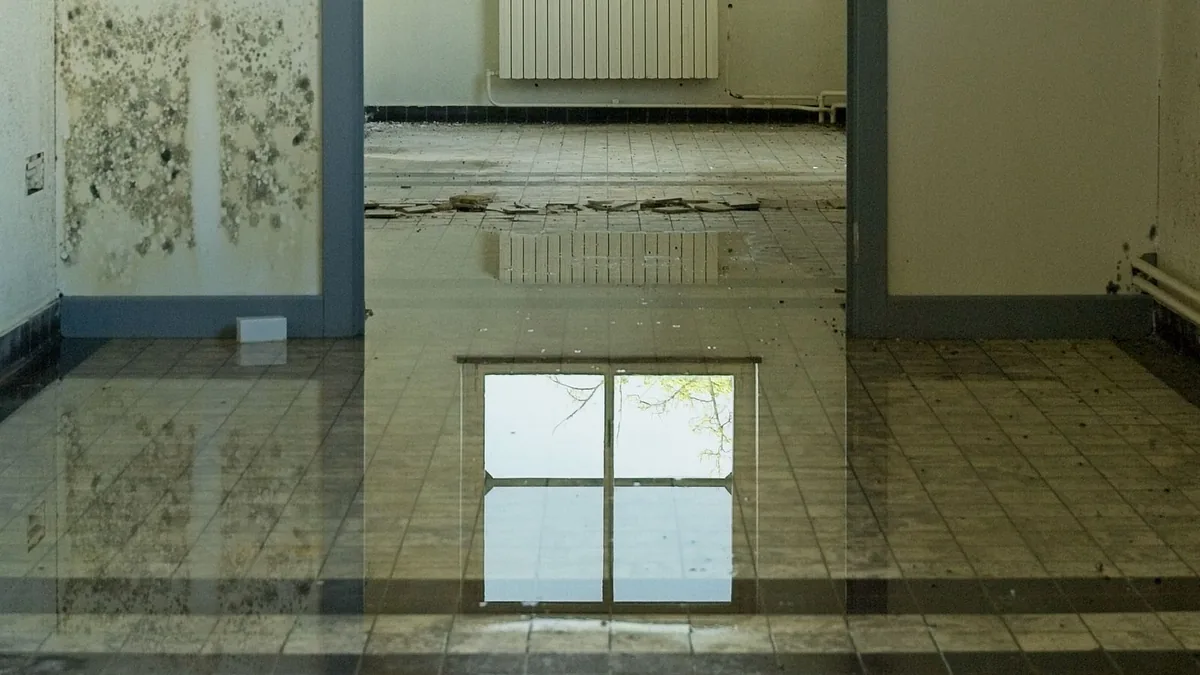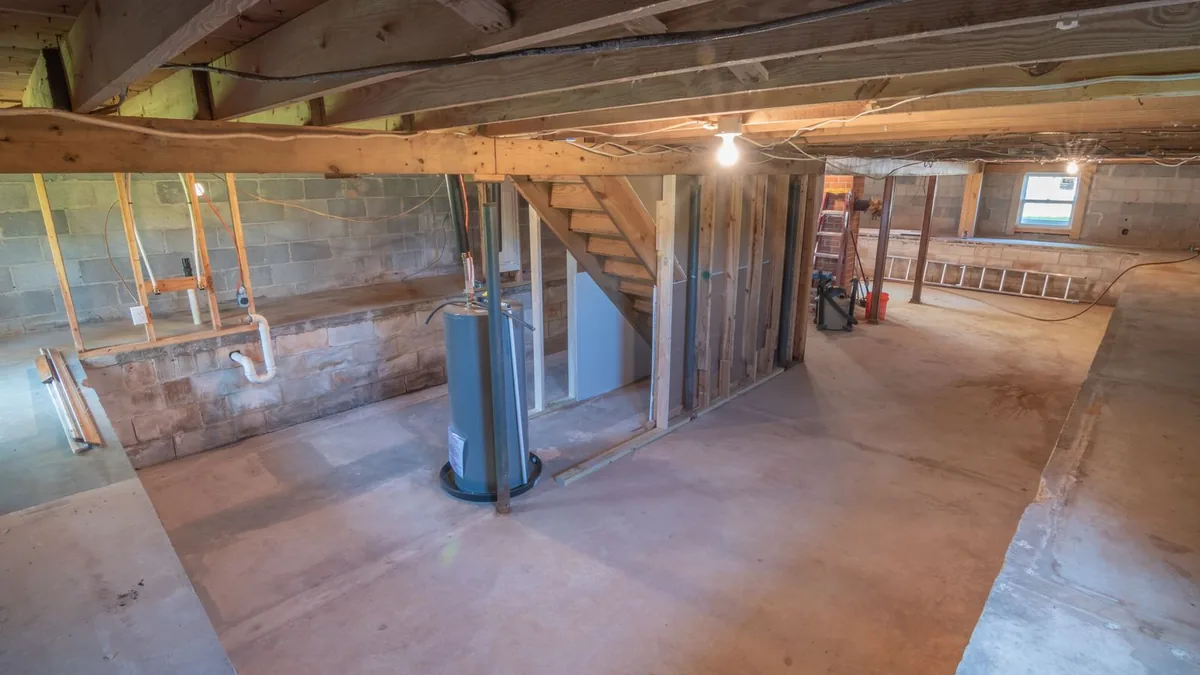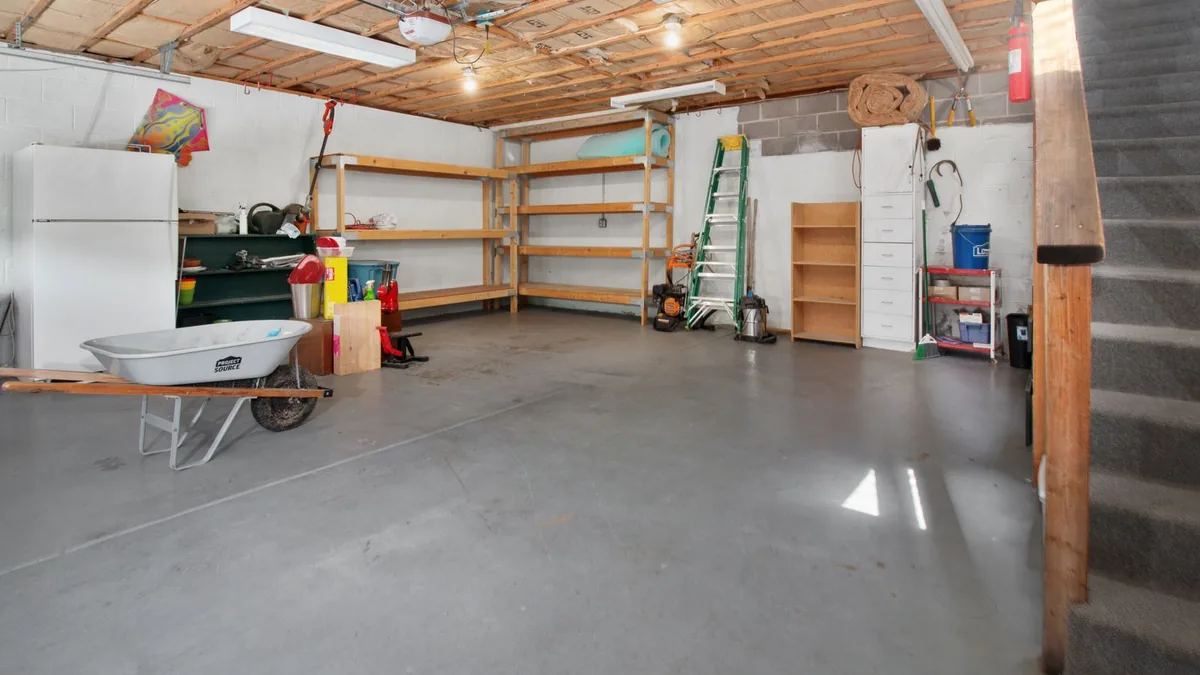
When basement water reaches furniture, boxes or equipment, the question becomes more complicated than drying a floor. Building materials and personal contents can require different assessments and different contractors. Local basement-water discussions provide context for this planning problem, but they do not establish what can be saved in your home. Once safe access is arranged, use a clear inventory and item-specific authorization so emergency work does not turn into unexplained disposal or an open-ended storage bill.
Wait for safe access before inventory work
Do not enter standing water near electrical equipment or other hazards to rescue belongings. Ask appropriate responders or professionals about access. Contaminated water and damaged structures can make a familiar room unsafe. The desire to save a valuable item is understandable, but a contents inventory should begin only when the people doing it can work appropriately.
Describe the event and affected areas
Tell the restoration provider when water was noticed, where it reached and any known source information. Distinguish confirmed observations from guesses. A clean-looking item may have been exposed in a way that needs assessment, while a stained container does not explain every item inside. Ask the provider to document its assumptions and any missing information.
Create an itemized record
Use room or storage-zone labels and record descriptions, quantities and photographs when safe. Avoid an undifferentiated entry such as basement contents if important items need separate decisions. Keep original images and receipts where available. An inventory should help you and any insurer understand what was affected without requiring the contractor to decide ownership or value from memory.
Separate cleaning potential from sentimental value
A treasured object deserves careful consideration, but its personal importance does not establish whether ordinary cleaning is suitable. Ask whether a specialist can assess photographs, documents, textiles, electronics or other sensitive materials. Explain which items require your approval before disposal. A restoration company should not silently treat every object as either a standard cleaning item or automatic waste.
Ask how decisions vary by material
Request an explanation of the assessment for porous furnishings, hard surfaces and equipment rather than expecting one answer for everything. Water history and contamination can affect the decision. This article does not provide a universal salvage rule. The provider should identify which items can be assessed now, what uncertainty remains and which require another professional.
Authorize disposal explicitly
Agree who can approve discarding items and how that approval is recorded. Ask what happens when immediate removal is necessary for the work and you cannot be reached. Keep hazardous or unknown materials out of an ordinary disposal assumption. A written inventory and authorization process can prevent both accidental loss and a pile of unwanted items left without a plan.
Understand pack-out and storage charges
If contents leave the property, ask how they will be labeled, transported, stored and returned. Request charges for handling, storage duration and delivery. Find out who can authorize additional time. A storage arrangement should not become an indefinite cost because the building-repair schedule and return conditions were never discussed between the homeowner and the provider.
Keep electronics decisions with appropriate expertise
Do not energize water-affected equipment to see whether it works. Ask the restoration provider whether a qualified electronics or appliance professional is needed. A dry exterior does not establish internal condition. Keep assessment, data-recovery questions and replacement decisions separate so a general contents-cleaning invoice is not mistaken for a technical safety evaluation.
Discuss privacy in documents and devices
Tell the business which contents contain sensitive records or personal information. Ask how those items are handled and who has access during cleaning or storage. Remove unnecessary identification details from shared inventory copies. Documentation is useful, but it should not require publishing private information in a general project chat or leaving unlocked devices with an unexplained process.
Coordinate insurance documentation early
Ask your insurer what records it needs and how it wants damaged items documented before disposal when practical. Do not assume every item or service is covered. Keep mitigation, contents handling and reconstruction charges distinct. If an urgent safety need changes the sequence, record what happened rather than treating perfect paperwork as more important than safe action.
Agree on the return condition
Ask how cleaned items will be reviewed and when the home is ready to receive them. Returning contents into an unresolved wet area can complicate the project. Define who coordinates the building and contents schedules and how concerns are reported. A delivered box is not by itself proof that the item-specific service met the agreed scope.
Close the project with a reconciled inventory
Compare the original list with items returned, discarded or still under specialist assessment. Keep invoices and any unresolved notes together. Ask for a final explanation of storage charges and outstanding decisions. A reconciled record helps prevent missing-property confusion and gives future service providers useful context if an item later requires additional attention.
Frequently asked questions
1. Can I rescue belongings before the crew arrives?
Only when access is safe and appropriate guidance allows it. Do not enter hazardous standing water or energize affected equipment for a quick test. Personal safety takes precedence over recovering an item or completing a photograph.
2. Does water exposure mean everything is lost?
No universal conclusion fits every material and event. Ask for item-specific assessment based on condition and exposure. The ability to clean an object should not be assumed solely from its appearance or its importance to the owner.
3. Who decides what is thrown away?
Agree on authorization before removal begins. The provider should explain urgent exceptions and record decisions. An itemized inventory helps distinguish approved disposal from items still awaiting a specialist opinion or a response from the owner.
4. Should I turn on wet electronics?
Do not energize water-affected equipment to test it. Ask whether a qualified technical assessment is needed. A contents-restoration provider may coordinate that work, but general cleaning is not a substitute for evaluating internal electrical condition.
5. Can photos and papers be restored?
Ask about a specialist assessment and explain which items are particularly important. Methods and outcomes depend on the material and condition. Avoid assuming an ordinary cleaning package includes document conservation or guarantees complete restoration.
6. Is pack-out included in drying charges?
Confirm the scope. Transport, inventory, cleaning, storage and return can be separate charges. Ask about duration and who authorizes extensions so a temporary arrangement does not become an unexplained ongoing expense while building work continues.
7. Does the insurer approve every disposal?
Ask your insurer for its actual documentation process and coverage position. Do not assume approval or reimbursement. Keep factual records and tell it when safety or urgent mitigation affected what could be documented before an item was removed.
8. How should sensitive documents be handled?
Identify them privately and ask about access, storage and disposal procedures. Share only necessary information in project records. A useful inventory should not expose financial, medical or identity details to people who do not need them.
9. When should cleaned items return?
Coordinate with the responsible professionals about the readiness of the receiving area. Agree who makes that decision and how delivery is scheduled. Returning items while moisture or access problems remain can complicate an otherwise well-organized restoration.
10. What belongs in the final record?
Keep the reconciled inventory, approved disposal decisions, specialist findings, return condition notes and itemized charges. This makes unresolved questions visible and helps you distinguish building repairs from the separate services performed on personal belongings.
Sources and related reading
- Local basement-water context.
- EPA flooded-home restoration guidance.
- EPA debris and damaged-building precautions.
- Find category contacts and confirm the exact service directly.