A radon service is most useful when the homeowner understands the test conditions, result and next decision. An Indianapolis discussion asked whether a radon inspection was worthwhile during a home purchase. Rather than deciding from a neighbor’s result or a contractor’s general reassurance, arrange an appropriate test and ask what the report will establish. Testing and mitigation are different scopes, and installing equipment should be followed by the verification and maintenance plan relevant to the actual home.
Start with the property’s existing records
Ask for any previous test report, system information and installation documents. Look for the date, location and method rather than accepting a verbal statement that the house passed. Changes in the building or its use can matter to the next testing decision. Give the provider the documents so it can explain what remains useful and what needs updating.
Choose a qualified service for the task
EPA advises contacting the state radon program for help finding measurement and mitigation professionals. Confirm the qualifications relevant to the service being purchased. Testing expertise and installation work should not be assumed from a general contractor label. Ask who performs the work, who signs the report and whether another business handles a later stage.
Explain how you use the lower level
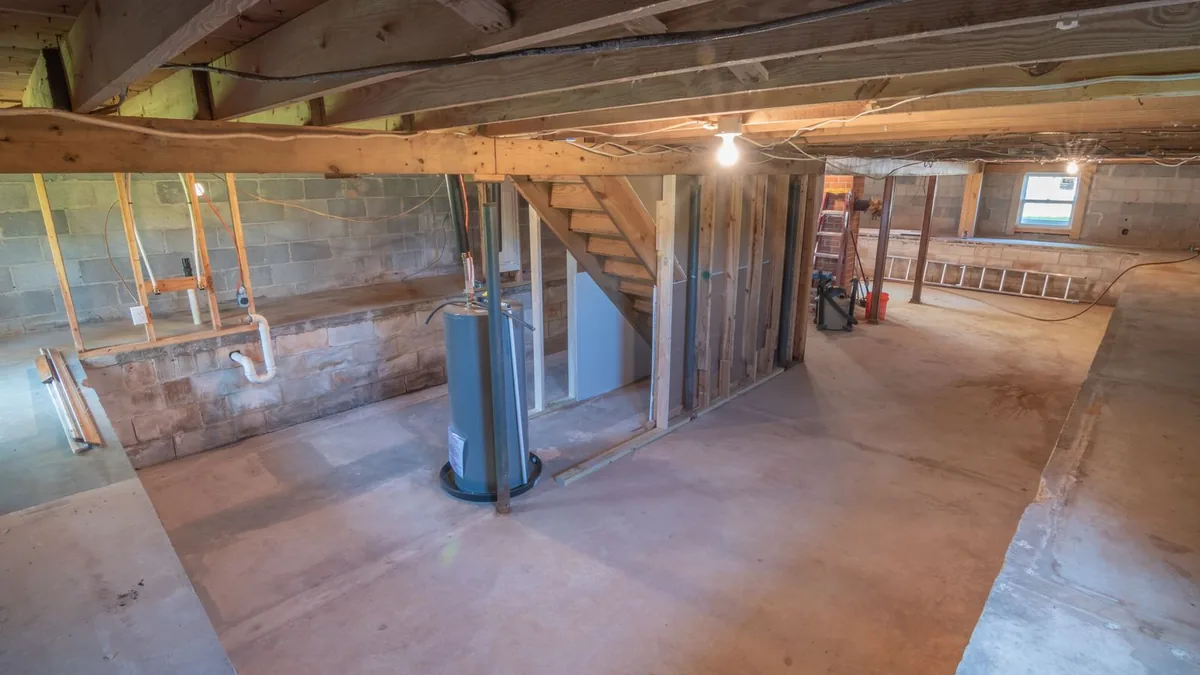
Tell the tester which basement or lower-level rooms are occupied or planned for future use. Ask how the test location will be selected under the applicable protocol. A result from another part of the home should not quietly be presented as a measurement of every room. Keep intended renovations and use changes visible in the discussion.
Confirm the method and duration
Ask what device and testing period the provider proposes and why it suits the situation. A transaction deadline can influence scheduling, but it should not lead to unexplained shortcuts. Get the installation and pickup dates, access needs and reporting time in writing. Avoid assuming all advertised radon inspections use interchangeable methods or produce the same information.
Follow the actual testing instructions
Ask the tester for written conditions to maintain and explain any practical conflict before the device is placed. Do not move equipment or change conditions to improve a result. If something unexpected happens, report it rather than concealing it. The purpose is a useful measurement, not a reassuring number detached from how the test was conducted.
Request a report you can interpret
The report should identify the property, relevant test information and results with units. Ask the provider to explain limitations and the recommended next step. EPA recommends action at 4 pCi/L or higher and notes that lower levels can still pose risk. Do not interpret a single cutoff as a promise of zero risk or a medical diagnosis.
Keep a purchase decision separate from a test number
If the work relates to a transaction, discuss timing and options with the people advising on the purchase. This article does not interpret contingencies, disclosures or who must pay. A useful report supports that conversation without deciding it. Allow time for questions, additional work if appropriate and review of the actual documents before a deadline.
Ask mitigation bidders to explain the design
If mitigation is recommended, request a property-specific description rather than a generic equipment price. Ask about the proposed route, equipment location, building penetrations and affected finishes. Do not install a system from this article’s general explanation. The qualified provider should explain how the design fits the home and what practical access or coordination is required.
Compare installation boundaries
Find out what electrical work, finish repair, external appearance and cleanup are included. Ask about additional charges if conditions differ from the initial assessment. Two estimates may vary because they address different routes or exclusions. Compare the complete operating system and handover instead of only the advertised fan or a basic starting price.
Include post-installation testing
Ask who arranges verification, when it occurs under the relevant guidance and how the results will be delivered. A running fan alone does not establish the indoor radon result. Keep the verification scope explicit so it is not assumed to be handled by the other party. Ask what happens if the agreed target or expected result is not achieved.
Understand monitoring and maintenance
Ask how to recognize an equipment concern and who services the installed system. Keep the manufacturer information, installer contact and relevant warranty terms. Do not change or disable equipment because it is inconvenient without obtaining appropriate advice. The handover should explain ordinary owner responsibilities in understandable language rather than leaving the homeowner with an unexplained device.
Retain results through future changes
Save test and mitigation records with the property documents. Ask about retesting when the building or occupied areas change and follow current guidance. If another contractor works around the system, tell it what the equipment is and coordinate changes appropriately. A useful long-term record distinguishes the measured result at a particular time from an unlimited guarantee about future conditions.
Frequently asked questions
1. Can my neighbor’s result tell me mine?
No. Arrange an appropriate measurement for your property rather than treating a nearby home as a substitute. Ask the tester how location, conditions and method will be documented so the result answers a question about your own home.
2. Does a newly built home need testing?
EPA advises testing new homes too, including homes with radon-resistant features. Ask what records exist and how the proposed test will be conducted. Construction features should not be mistaken for a measured indoor result at your property.
3. What does the number 4 pCi/L mean?
It is EPA’s recommended action level, not a guarantee that any lower reading has zero risk. Ask the provider to explain your report and appropriate next steps. This guide does not provide individualized medical advice or interpret exposure history.
4. Can I move the test device?
Follow the tester’s instructions and report any accidental movement or changed conditions. Do not reposition it to obtain a preferred result. A useful measurement depends on understanding how and where the test was actually performed.
5. Does a working fan prove the system works?
Equipment operation and the measured indoor result are different questions. Ask about post-installation testing and the system’s monitoring instructions. Save both the equipment information and verification report rather than relying on sound or appearance alone.
6. Who pays during a home purchase?
That depends on the transaction documents and any agreement reached by the parties. Discuss the report and timing with appropriate purchase advisers. A contractor’s estimate does not decide contractual responsibility or guarantee a particular negotiation outcome.
7. Are all radon services licensed the same way?
Confirm current requirements and qualifications with the state radon program and the actual provider. Do not infer credentials from a business category or website claim alone. Ask who performs measurement and who is responsible for installation.
8. Should basement finishing affect the plan?
Tell the provider about planned lower-level use and renovations. EPA discusses testing considerations when living patterns or the building change. Coordinate assessment before finishes obscure access rather than assuming an old report answers every future layout.
9. Does the quote include electrical work?
Ask explicitly. Installation routes, power, finish repairs and verification may be separate items. Compare complete scopes and exclusions so a low initial price is not mistaken for an all-inclusive system with every necessary related task.
10. What should I keep after installation?
Retain the design description, installer details, operating instructions, warranty and verification results. Ask about future testing and service responsibilities. Those records support maintenance and later property questions without representing a permanent guarantee of unchanged conditions.